

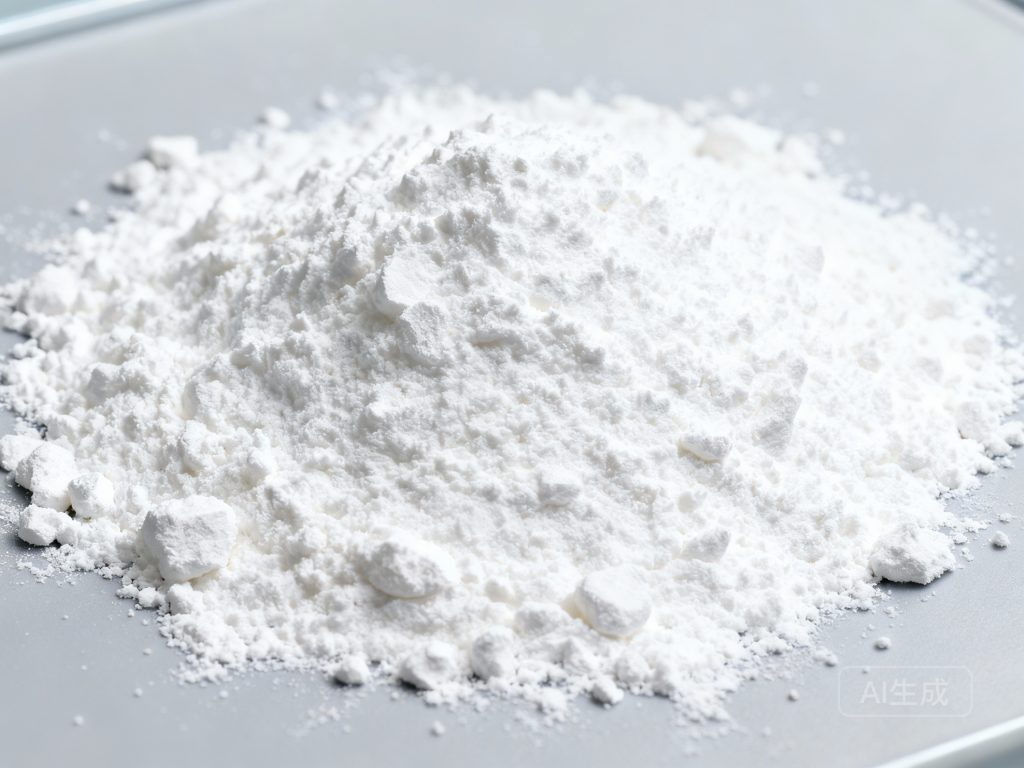
Colloid microcrystalline cellulose: premium & high-performance :Microcrystalline cellulose (MCC) is a versatile and highly sought-after ingredient in the pharm and food industries. Known for its stability and safety, it is a staple in production.
This article goes beyond general benefits. It looks at the data, engineering, scientific methods, and market uses of premium colloidal MCC (cMCC). This reveals why cMCC is a top additive. It provides clear, high-performance results from the lab to the global supply chain.
Colloid microcrystalline cellulose: premium & high-performance. This designation is exemplified by colloidal MCC (cMCC), a co-processed composite typically containing 82–91% MCC and 9–18% sodium carboxymethyl cellulose (NaCMC). Engineered into fine particles, it forms a robust three-dimensional network at low concentrations (1–2%). This structure provides defined yield stress and high thixotropy, delivering excellent suspension stability and superior mouthfeel. Its predictable, scalable performance justifies the premium status in demanding formulations, underpinned by reliable industrial-scale manufacturing from leading global suppliers.
Manufacturers often use colloidal microcrystalline cellulose as a stabilizer, thickener, and Emulsifying agent.
Its universal functionality stems from precise engineering.
Manufacturers create classic grades such as Avicel RC-591 and TABULOSE SC-591 from two main ingredients. These ingredients are microcrystalline cellulose and sodium carboxy methyl cellulose. Someone combines these materials in a specific ratio.
The key to their performance lies in their ultra-fine fiber structure (most fibers are over a thousand times finer than a human hair). When mixed with water, these tiny fibers intertwine to create a robust, invisible three-dimensional network.
Think of materials like Avicel RC‑591 and TABULOSE SC‑591 as a special blend. Their secret is a structure made of incredibly tiny fibers. In water, these fibers link up to form a microscopic, web-like network.
This microscopic network structure provides its functionality. It can do three important jobs at the same time. It can thicken liquids, keep solid particles floating evenly, and help prevent mixtures like dressings from separating. This makes it a handy tool for many different industries.
How It Works & What Makes It Special
This material works better than many common thickeners, like plain xanthan gum. Not a single component, but an engineered composite of two materials. By teaming up the best of both worlds, it delivers a stronger, more complete performance.
A unique three-dimensional microstructure provides its efficacy.Think of it like an invisible mesh that holds everything together. For example, just a small amount (1.2%) of a grade like TABULOSE SC‑591 in water does something clever:
This “thick when still, thin when moving” behavior is great for products like liquid medicines, sauces, or dressings. These products need to stay mixed but also pour easily. And if you need even more stability, simply using a bit more does the trick—no clumping, no settling.
Unlike some thickeners that just make things sticky, this web physically traps particles and droplets. This directly stops common problems like settling, water pooling, or clumping. It also feels better in your mouth and is easier for factories to pump and mix because it thins out when moved.
Neutral Taste & Handles Heat Well
It exhibits sensory and chemical inertness, imparting no flavor and maintaining a neutral pH. Importantly, unlike some other natural thickeners, this cellulose network doesn’t break down easily with heat. It stays effective through processes like Heat processing, baking, or cleaning.
A Quick Tip for Best Results
Using a powerful mixer is key to fully activate the web and get the desired thickness and stability.
Looking to the Future
Scientists are finding even more uses. By slightly changing its surface, researchers can help control how medicines release in the body.
When combined with other food gums, it creates new, interesting textures. When processed into “nano cellulose,” it can create stronger, eco-friendly packaging. cMCC facilitates advanced 3D printing of medical parts.
Market & Supply
Companies such as Qingdao ACTA Biotechnology Co., Ltd. focus on this product.
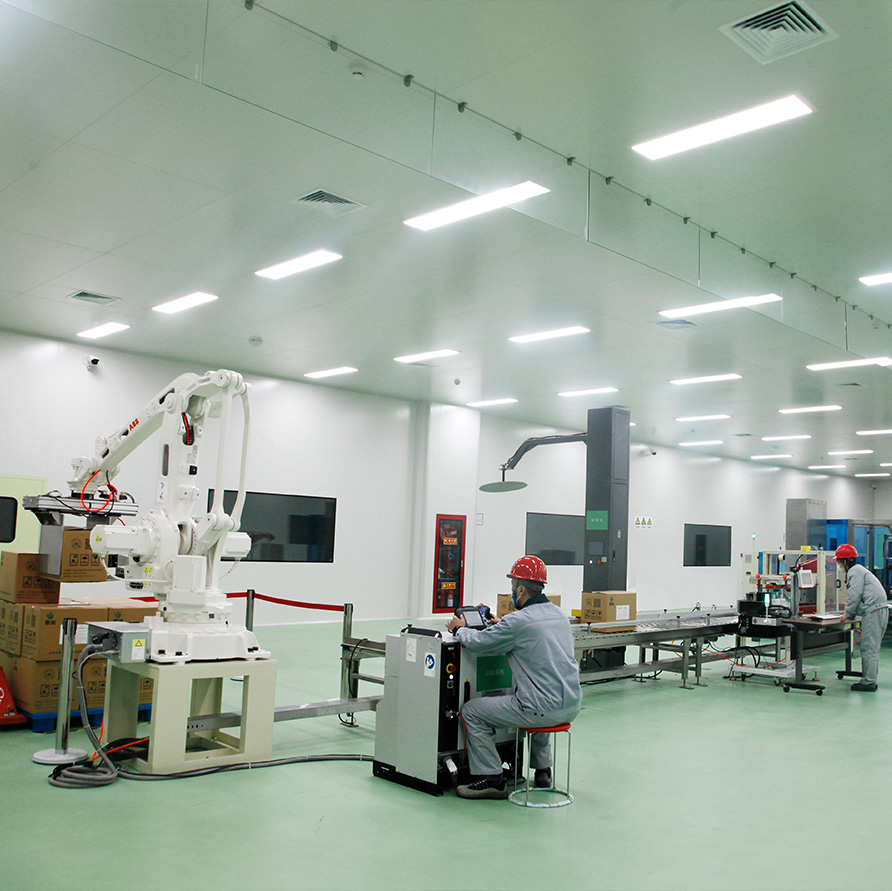
They sell it in China and in over 80 countries, showing its quality meets global standards. They can make 3,000 tons every year, which means they can fill big orders reliably.
This helps customers go from testing their ideas to making products in large quantities. We can produce 3,000 tons each year. This helps us handle large orders. It also keeps our supply chain steady.
In Summary
In short, premium colloidal microcrystalline cellulose is more than just an additive; it’s a smart, reliable tool. Its value comes from clear science you can measure. From keeping your medicine bottle consistent from first use to last, to enabling future innovations, it offers real solutions. Its journey from the lab to large-scale supply is clear.
Manufacturers like Qingdao Aikeda show this process. They provide reliable results for brands around the world.
