

Colloidal microcrystalline cellulose in the real world (CMC) is a highly versatile material widely used across pharm, food, cosmetics, and industrial formulations. Made from plant-based cellulose, it is stable, easy to control in texture, safe, and widely used in modern formulations
Producers make microcrystalline cellulose (MCC) by purifying and partly breaking down cellulose from plant fibers, usually wood. Acid removes the soft parts but keeps the hard, crystalline parts. This structural refinement gives MCC its characteristic strength, rigidity, and chemical inertness.
Chemically, MCC consists of glucose units linked by β-1,4-glycosidic bonds. Its high crystallinity contributes to excellent stability, while its particle size—typically between 20 and 200 micrometers—supports uniform dispersion and consistent performance. Low density and porous structure further enhance its effectiveness as a binder, filler, and functional excipient.
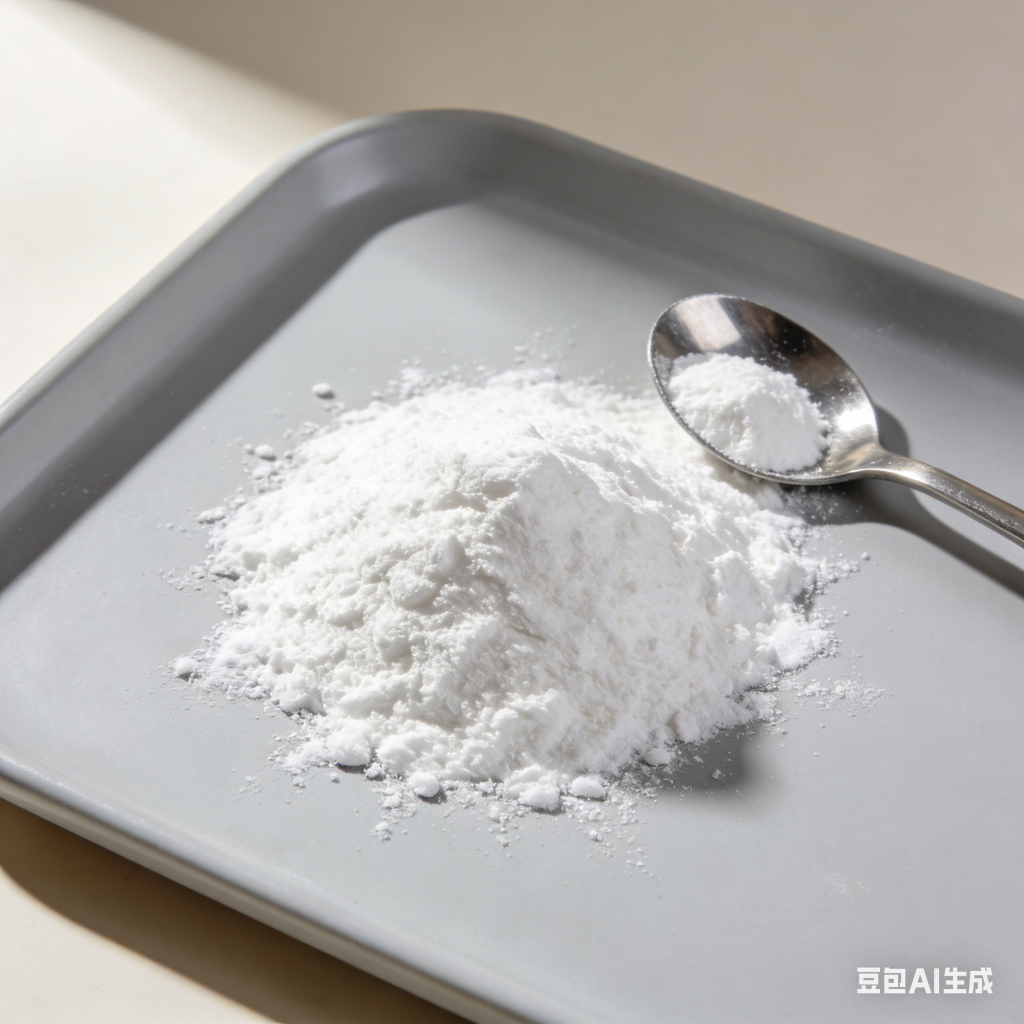
Colloidal microcrystalline cellulose is an engineered system created by co-processing MCC with water-soluble polymers, most commonly sodium CMC. This process prevents particle re-aggregation and enables stable This process increases MCC’s ordered structure in water.
When hydrated, colloidal MCC forms a three-dimensional particle network primarily held together by hydrogen bonding. This structure becomes thinner when stirred, pumped, or poured, and thickens again when left alone. As a result, products remain stable at rest while remaining easy to process and apply.
One of the most valuable attributes of Colloidal Microcrystalline Cellulose in the Real World is its ability to control physical stability in multiphase systems. It effectively suspends dense particles, stabilizes emulsions, and prevents phase separation without relying on traditional surfactants.
Colloidal MCC functions simultaneously as a stabilizer, suspending agent, thickener, and rheology modifier. Colloidal MCC works in water, making weak gels that keep mixtures thick and stable.
In food and beverage formulations, colloidal MCC delivers both functional performance and sensory benefits. It improves texture, mouthfeel, and consistency in dairy products, beverages, sauces, dressings, baked goods, and nutritional formulations.
By stabilizing emulsions and preventing oil–water separation, colloidal MCC extends shelf life and preserves product quality. In drinks, it keeps cocoa, pulp, and nutrients evenly mixed and makes them creamy, even in small amounts.
Colloidal MCC can also serve as a partial fat replacer, mimicking fat-like mouthfeel while reducing calorie content. In baked goods and processed meat, its gel keeps water in, makes them stretchy and easy to cut, and stops leaking.
Colloidal microcrystalline cellulose is a key ingredient in medicines because it is safe, inactive, and has many uses. Manufacturers use it in liquids, gels, sprays, and ointments to keep active ingredients stable and evenly mixed
Colloidal microcrystalline cellulose (cMCC) is a safe and stable ingredient used in medicines, cosmetics, food, and industry.
In medicines, it keeps liquids smooth, prevents ingredients from settling, and helps tablets and capsules hold together and dissolve. Its thickening makes liquids easier to swallow.
In cosmetics, it thickens creams, lotions, sunscreens, and serums, keeping them smooth and easy to spread without separating.
In industry, like paints, coatings, and household products, it keeps particles mixed, improves shelf life, and works without making things too thick.
Only a few companies make cMCC. Chinese companies like QINGDAO ACTA BIOTECHNOLOGY CO., LTD. They provide competitive pricing while maintaining high-quality standards. ACTA produces approximately 3,000 tons annually and employs a team of 200 engineers.
Plants provide colloidal microcrystalline cellulose (cMCC), and it is non-toxic and eco-friendly. Researchers are finding new uses in medicine, food, and advanced materials.
Overall, cMCC is a versatile, safe, and sustainable ingredient that stabilizes, thickens, and improves texture. New applications are going to increase its use
https://www.ijpsjournal.com/article/Microcrystalline+Cellulose+in+Pharmaceutical+Formulations+A+Comprehensive+Review+on+Applicat…https://www.ijpsjournal.com/article/Microcrystalline+Cellulose+in+Pharmaceutical+Formulations+A+Comprehensive+Review+on+Applicat… (full text via journal site)
