

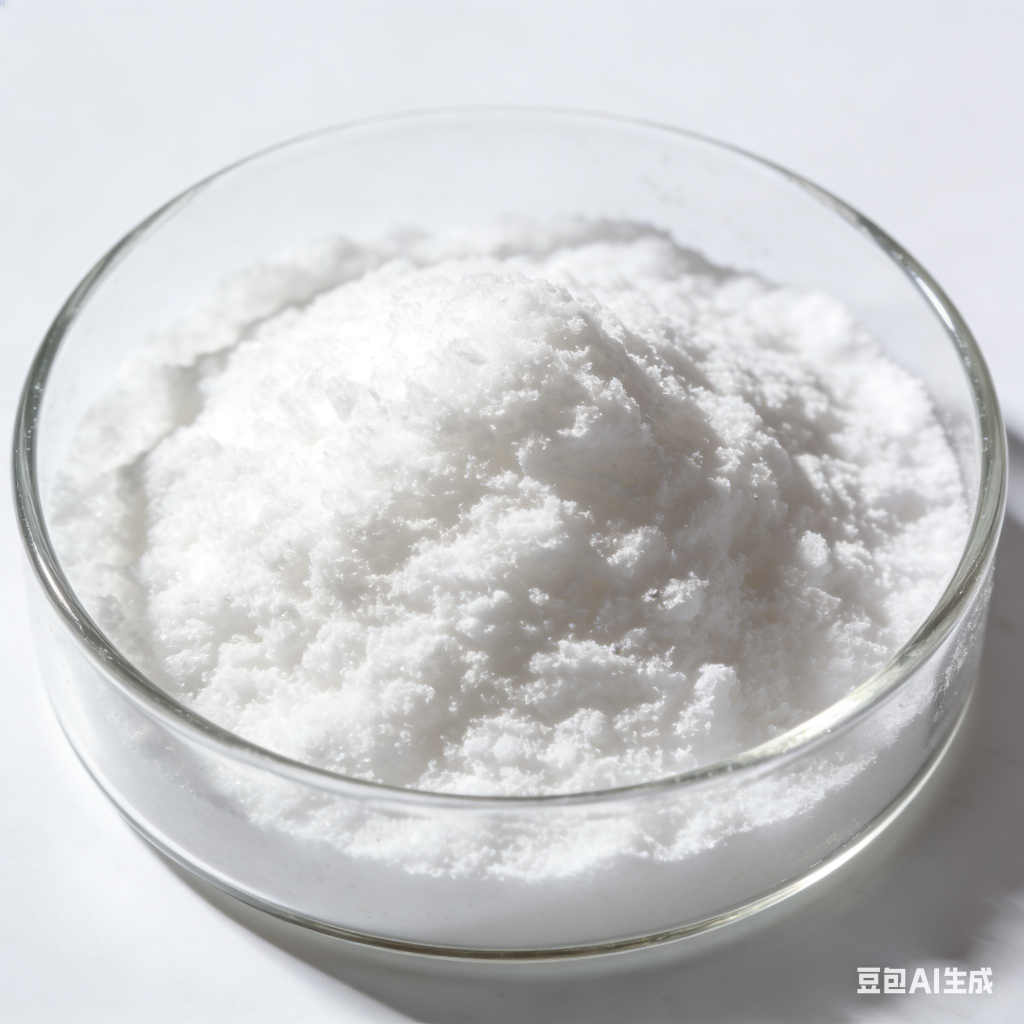
Microcrystalline cellulose gels have emerged as a versatile component in various industries, from food production to pharm. These gels are crucial thickening and stabilizing agents, widely applied across the food, pharm, and chemical industries.
These gels are colloidal systems. Manufacturers create them from microcrystalline cellulose and water-soluble polymers. One example of a polymer is CMC.
These gels help thicken, stabilize, and provide thixotropic properties. Manufacturers use them in water-based food, pharm, and cosmetic products. These gels mix with water to create thixotropic gels or colloidal suspensions. This makes them extremely useful as stabilizers, thickeners, and suspending agents.
Key properties like being chemically inert and compatible with different active ingredients make them a reliable choice. They also show thermal stability, which is suitable for heat-processed foods and formulations. In regulatory contexts, people know them as food additive E460(i). In industry parlance, it refers to the same substance as “cellulose gel”
Furthermore, manufacturers can utilize them as a calorie-free dietary fiber and bulking agent in health-focused products. Knowing all the properties and uses of these gels can help businesses improve their products and make them work better.
Microcrystalline cellulose (MCC) comes from refined wood pulp. Producers mainly use it as a texturizer, anti-caking agent, and fat substitute in food production.
Well-known for being non-reactive, it works well with many other compounds. This makes it a great additive in different formulations. The versatile nature of MCC gel makes it particularly effective in water-based systems across multiple industries.
Gelling agents like microcrystalline cellulose gels are crucial in creating desired textures in food and pharm products. These gels keep products stable and consistent. This is important for maintaining their intended properties during production, transport, and storage. A common way to enhance MCC gel performance is to combine it with CMC, which improves dispersion and stability
However, a simple blend of MCC and CMC cannot produce a quality gel. A specialized manufacturing process is essential Products usually have detailed technical specifications. Sellers often offer them in commercial quantities, like 25 kg packages.

Food Industry
In the food industry, manufacturers widely use microcrystalline cellulose gels. They act as a fat substitute and improve the texture of low-fat and reduced-calorie products. They help create a creamy and smooth mouthfeel without the addition of fats, appealing to health-conscious consumers.
MCC gel improves emulsion stability in different formulations. It also helps retain moisture and enhances texture in baked goods, sauces, and processed foods. It also acts as an effective water-binding and suspension agent in dairy and beverage products.
Their applications are broad, spanning dairy products, beverages, low-fat foods, sauces, and numerous other processed food categories. As a food ingredient, it is important for changing texture and stability, not just as an additive.
Pharm
Microcrystalline cellulose gels serve as a critical binding agent and functional matrix in tablet production within the pharm industry. They enhance the structural integrity of tablets, ensuring that they do not break apart during handling.
These gels are important for creating advanced drug delivery systems. They directly control the drug release and swelling mechanisms This improves the effectiveness of medications. Experts specifically note the colloidal grade of MCC gel for its composition, properties, and suitable for pharm applications.
Cosmetics
In cosmetics, these gels act as thickeners and stabilizers. They improve the texture and shelf-life of products like lotions, creams, and gels.
Their inactive nature means they do not affect the active ingredients. This maintains the efficacy of the final cosmetic product. A key benefit is that MCC gel helps make cosmetic gels and creams feel smoother. This improves the sensory experience for users.
When sourcing gel microcrystalline cellulose, it is crucial to choose a reputable supplier. A reliable gel microcrystalline cellulose supplier will offer products that consistently meet stringent industry standards for purity and performance.
Find manufacturers with a strong history, relevant certifications, and the skills to show their commitment to quality and innovation. For example, Qingdao ACTA Biotechnology employs a unique unique process to manufacture its microcrystalline cellulose gel. This advanced process ensures the product performs well.
It also lowers production costs. This leads to a final product that has a lower price in the market. We do not compromise on quality.
Critical evaluation should include reviewing detailed product information sheets and technical specifications provided by the supplier. Access to comprehensive technical specification documents is essential for verifying product compliance and performance claims.
As industries need more sustainable, efficient, and many functions solutions, microcrystalline cellulose gels will play a bigger role. New hybrid formulations, like MCC-CMC combinations, are emerging.
They have special applications in controlled-release technologies. This will probably result in their wider use. This will happen in food, pharm, health supplements, and personal care industries.
The main ability of some MCC grades to form gel-like structures in water is still a key focus for research and development. This progression will further solidify their place as an essential ingredient of the future.
Microcrystalline cellulose gels are a key component in many industries due to their Broad usefulness, functionality, and favorable chemical properties. Their uses are wide and important.
By understanding their different uses and technical details, businesses can work with the right suppliers. This is especially true for those using innovative methods to balance cost and performance.
Companies can use these gels to improve product quality. They can also create new formulas. This helps them meet changing consumer needs and regulatory requirements.
