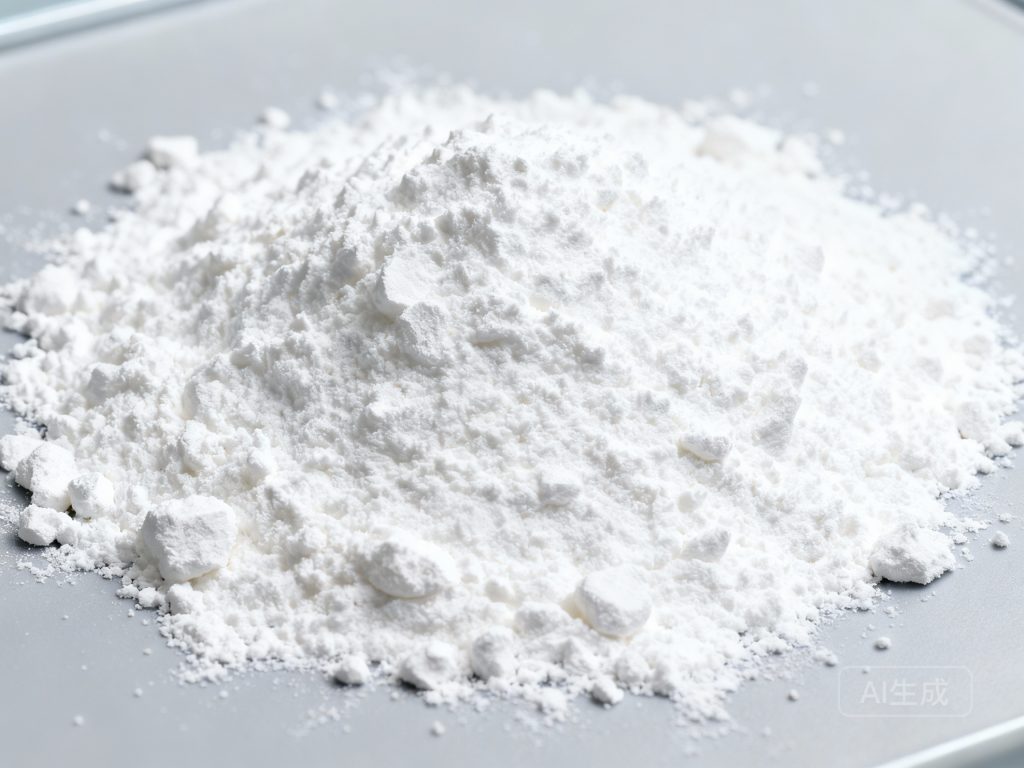
Ever read the long, scientific names on a medicine bottle? Many are “helper ingredients” called excipients. Take silicified microcrystalline cellulose ph eur monograph, for example—it’s one of those precise terms that guarantees the ingredient meets strict quality and consistency standards for your medicine.
If the medicine is the main act, these helpers are the stage crew backstage. They decide how to make a pill, how to keep it together, and how to release its medicine inside you. One of these helpers, Silicified Microcrystalline Cellulose (SMCC), is a clever upgrade.
The “Flour” in Pills Gets an Update
Let’s start with the basic ingredient: Microcrystalline Cellulose (MCC). Think of MCC as the “flour” for pills. A safe, white, tasteless powder made from plant fibers exists. It acts as a filler (to give a tiny medicine dose enough bulk) and a binder (the “glue” that holds the pill together). Building on this, an enhanced version known as silicified microcrystalline cellulose ph eur monograph undergoes strict processing to meet defined pharmaceutical standards for even better performance.
But this “flour” has a problem: it can be clumpy and doesn’t flow well. In modern pill factories that run at high speed, that’s a significant concern.
Add a tiny amount (about 2%) of a fine, sand-like powder called colloidal silicon dioxide. This process gives each speck of MCC a coat of silica.
This creates SMCC, a new material. Its specifications are defined in the silicified microcrystalline cellulose ph eur monograph.
SMCC flows like dry sand. Manufacturers can press it into harder, more reliable tablets.
It’s Defined by an Official Standard. The silicified microcrystalline cellulose ph eur monograph outlines its precise quality and testing criteria.
Here are ten simple insights that show why SMCC is such an important ingredient:
A perfect blend, not just a simple mix. SMCC is about 98% MCC and 2% silica, fused during manufacturing. This creates a single material with better performance than just stirring the two powders together.
Strict rulebooks mostly back its quality. In Europe, SMCC doesn’t yet have its own single rulebook in the European official rulebook. Instead, its MCC part must meet the MCC rules, and its silica part must meet the silica rules. A dedicated rulebook for such combined ingredients is in the works.
Manufacturers create it for a global market. To sell globally, we test SMCC products for quality. They meet standards from various regions, including the US, Europe, and Japan. This ensures that people can sell the pills made with it almost anywhere.
It undergoes strict quality checks. Every batch is tested for things like:
Acidity (pH): Must be neutral to not interfere with the medicine.
Purity: Tests check for unwanted metals or impurities.
Moisture: Must be extremely low to prevent spoilage.
Technical point
Technicians precisely measure the silica amount.. They use a simple “ash test” (burning a sample) to confirm the silica content sits right around 2%.. This ensures every batch performs the same way.
Its main job is to make pills break apart quickly. While it helps with flow, SMCC’s primary role is as a disintegrant. Its porous structure soaks up water fast, making the pill swell and crumble in your stomach, so the medicine can get to work faster.
The proof is in the performance. Tablets made with SMCC are 20–30% harder than those with regular MCC, meaning they chip or break less often. Its great flow lets factories produce hundreds of thousands of pills each hour.
That turns it into what we call SMCC, a different kind of powder.
It keeps the medicine stable. SMCC has a dry, porous structure. This helps prevent humidity or exposure from messing up the medicine inside. It may help pills stay effective longer on the shelf.
It comes in different “grades” for different needs. Manufacturers can tweak the particles to make SMCC that’s fluffier or denser. This lets pill designers choose the perfect type for a tiny, potent pill or a large vitamin tablet.
Scientists are finding new uses for it. Researchers study SMCC for use in tablets that dissolve in your mouth quickly. It may also help the body absorb poorly soluble drugs more easily.
Conclusion
So, the next time you see “silicified microcrystalline cellulose” on a label, you’ll know it’s not just a filler. A carefully engineered helper ingredient exists. It represents smarter manufacturing, leading to pills that are stronger, more consistent, and work more reliably. In the end, that simple plant trick is a crucial part of why our medicines work reliably.