

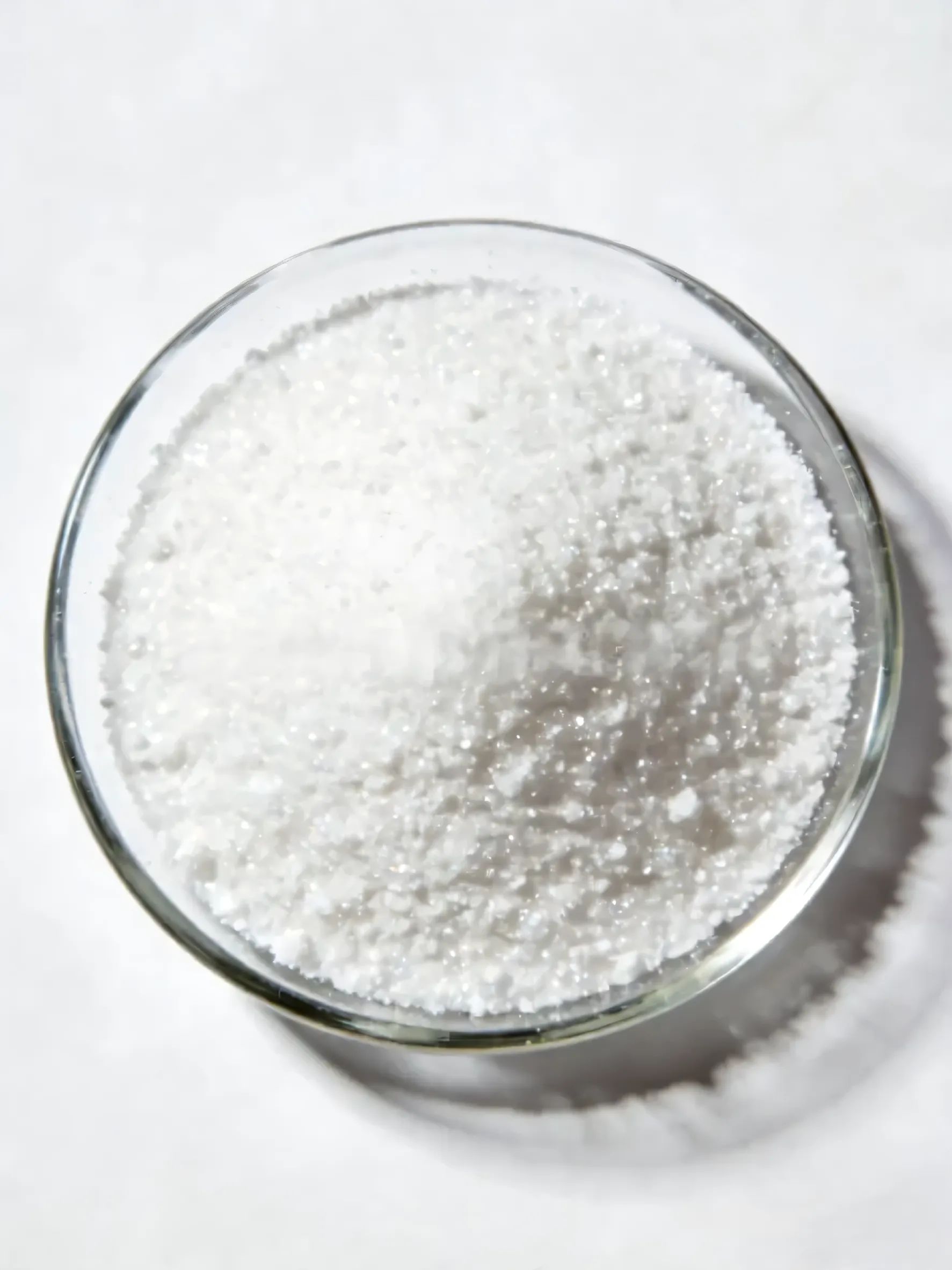
Hydroxyethyl methyl cellulose (HEMC) is widely used in tile adhesive, dry mix mortar, and cement-based materials.It is widely used as a tile adhesive additive and HEMC mortar additive in construction materials.
Excellent water retention,improved open time and anti-sag performance
Hydroxyethyl Methyl Cellulose (HEMC), also known as Methyl Hydroxyethyl Cellulose (MHEC), is a non-ionic, water-soluble cellulose ether widely used in construction materials such as tile adhesives, render, and dry mix mortar.
It functions as a thickener, water retention agent, and workability modifier in cement-based systems.
Therefore,Construction material manufacturers widely use Hydroxyethyl Methyl Cellulose (HEMC) as one of the most common cellulose ethers, especially in tile adhesive, render, and dry mix mortar systems.
Looking for a standard cellulose ether for multiple industries? 👉 Explore our Hydroxypropyl Methyl Cellulose (HPMC) product page.
Hydroxyethyl Methyl Cellulose is a non-ionic, water-soluble cellulose ether produced by chemically modifying natural cellulose — typically derived from wood pulp or refined cotton — through a two-step etherification process. In the first step, cellulose reacts with methyl chloride to introduce methoxy (–OCH₃) groups.
In the second step, manufacturers add ethylene oxide to attach hydroxyethyl (–CH₂CH₂OH) groups along the polymer backbone.
This dual substitution distinguishes Hydroxyethyl Methyl Cellulose from plain Methyl Cellulose (MC) and Hydroxypropyl Methyl Cellulose (HPMC).
Furthermore, the hydroxyethyl groups improve cold-water solubility, reduce thermal gelation temperature sensitivity, and enhance compatibility with cement and gypsum systems — making HEMC especially effective in cold-weather construction or in applications that require rapid dissolution.
In addition, once dissolved in water, HEMC forms a stable, viscous, pseudo-plastic solution that acts simultaneously as a thickener, water-retention agent, lubricant, and film-former.
Moreover, it is chemically inert to most cement, lime, and gypsum systems, does not react with other admixtures, and leaves no residue that would compromise final surface strength or adhesion.
The two most commonly compared cellulose ethers in construction are HEMC and HPMC. While both are non-ionic and perform similar functions, their substitution chemistry creates meaningful performance differences:
Furthermore, the thermal gelation point of HEMC is slightly lower (approximately 65–75°C) compared to HPMC (75–90°C). As a result, this difference can be either an advantage or a limitation depending on the processing environment.
In addition, both HEMC and HPMC are compatible with standard construction additives. However, HEMC often shows slightly better compatibility with calcium-rich systems such as high-lime mortars.
Moreover, both products share similar global safety profiles and are widely accepted in building material formulations across Europe, North America, and Asia.
For most tile adhesive, rendering, and EIFS applications, formulators can interchange HEMC and HPMC at the formulation level — but they often prefer HEMC where cold-weather performance or rapid wetting-out of the dry mix is a priority.
HEMC vs HPMC vs HEC – Which One to Choose?
| Property | HEMC (MHEC) | HPMC |
|---|---|---|
| Solubility | Faster in cold water | Moderate |
| Thermal Gelation | Lower (65–75°C) | Higher (75–90°C) |
| Water Retention | Excellent | Excellent |
| Workability | Very smooth | Smooth |
| Construction Use | Preferred in cold climates | Standard global choice |
HEMC is often preferred over HPMC in cold-weather construction due to faster dissolution and improved workability.
Looking for a reliable alternative to HPMC in construction applications?
Explore our HEMC grades for tile adhesive, render, and mortar systems.
All HEMC grades supplied meet or exceed the following baseline specifications. Certificates of Analysis (CoA) and third-party test reports are available upon request.
| Property | Specification |
|---|---|
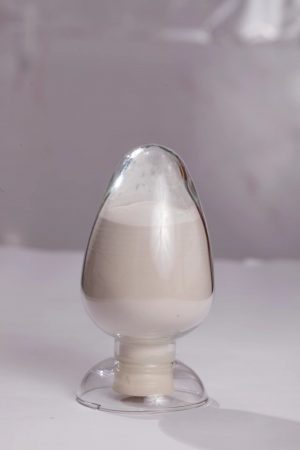
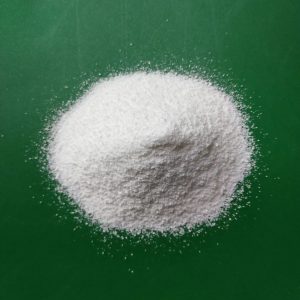
| Appearance | White or light yellow powder |
| Methoxy Content (%) | 18.0 – 24.0 |
| Hydroxyethyl Content (%) | 8.0 – 16.0 |
| pH Value (1% solution) | 5.0 – 8.5 |
| Moisture Content (%) | ≤ 8 |
| Ash Content (%) | ≤ 3 |
| Mesh Size | 100 mesh (98.5% pass), 80 mesh (100% pass) |
| Viscosity Range (2%, 20°C, mPa·s) | 400 – 200,000 |
Viscosity measured at 2% concentration in deionized water at 20°C using a Brookfield viscometer.
Hydroxyethyl Methyl Cellulose (HEMC) plays a critical role in improving tile adhesive performance in modern construction systems.
HEMC increases the open time of tile adhesives, allowing workers more flexibility during installation. Furthermore, it enhances slip resistance, ensuring that tiles remain in position after application.
In addition, HEMC improves adhesion strength by optimizing water distribution within the cement matrix. This leads to better bonding between tile and substrate.
Moreover, HEMC helps maintain consistent workability during application, especially under high-temperature or dry environmental conditions.
As a result, tile adhesives containing HEMC show improved application efficiency and long-term bonding performance.
HEMC is commercially available across a broad viscosity spectrum. Selecting the correct viscosity grade is critical: too low a viscosity reduces water retention and sag resistance; too high a viscosity can over-thicken the mix and impair workability. The table below maps each grade to its primary target applications.
| Grade | Viscosity (mPa·s, 2% solution) | Primary Applications |
|---|---|---|
| ACTA10000 | 9,000 – 15,000 | Render, machine-applied plaster |
| ACTA20000 | 15,000 – 25,000 | Tile adhesive, EIFS, plaster, joint filler, grout |
| ACTA30000 | 25,000 – 40,000 | Tile adhesive, EIFS, gypsum finishing plaster |
| ACTA45000 | 40,000 – 55,000 | Tile adhesive, waterproofing mortar |
| ACTA50000 | 50,000 – 65,000 | Tile adhesive, EIFS |
| ACTA70000 | 65,000 – 75,000 | Tile adhesive, concrete adhesive |
Not sure which grade suits your formulation? Our technical team can recommend the right viscosity range based on your mix design, substrate type, ambient temperature range, and open-time requirements. In addition,Custom viscosity ranges outside this table are also available for OEM clients.
Not sure whether to use HEMC or HPMC in your formulation?
Our technical team can recommend the best solution based on your climate and application.
HEMC delivers a unique combination of physical and chemical properties that make it indispensable across dry-mix and wet-mix construction systems. Below is a detailed breakdown of each functional property and why it matters in real-world applications.
Unlike standard methylcellulose, HEMC dissolves readily in cold water without the need for pre-wetting with hot water. This makes it ideal for site-mixed mortars and factory dry-mix products where fast, uniform dissolution is required. In winter construction at temperatures approaching 5°C, HEMC continues to hydrate effectively — a property that HPMC does not always match at the same dosage level.
HEMC improves water retention by forming a hydrophilic polymer network within cement-based systems.
This network slows down water evaporation during the hydration process. Furthermore, it ensures sufficient water remains available for complete cement hydration.
In addition, HEMC reduces water loss to porous substrates such as bricks or concrete surfaces.
As a result, the hydration process becomes more uniform, which improves final mechanical strength.
Moreover, better water retention prevents cracking, powdering, and weak bonding in dry or high-absorption environments.
HEMC maintains its thickening and water-retention functionality at process temperatures up to approximately 75°C. Above this threshold, the polymer undergoes reversible thermal gelation — it transitions from a viscous solution to a soft gel. Critically, this gelation is fully reversible: on cooling, the gel returns to solution. This property is beneficial in machine-sprayed mortars and hot-climates where substrate temperatures may exceed 40°C.
Furthermore, dissolved HEMC chains act as a lubricant between solid particles — including cement, sand, and aggregate — within the mortar matrix.
As a result, the mixture develops a noticeably smoother and creamier texture during both mixing and application.
In addition, for tilers, this translates into easier spreading and improved coverage when using a notched trowel.
Meanwhile, for plasterers, it reduces trowel drag and ensures a more consistent finish layer.
Moreover, the lubrication effect also reduces the risk of corner cracking in joint fillers and grouting compounds.
HEMC is stable across a wide pH range — from mildly acidic (pH 3) to strongly alkaline (pH 11). This covers the full working range of Portland cement (pH 12–13 freshly mixed, dropping as carbonation proceeds), gypsum plaster (pH 7–8), and lime mortar (pH 11–12). These systems do not hydrolyze the molecular backbone of HEMC at ambient temperatures, ensuring consistent performance throughout the open time of the mortar without viscosity drift.
Furthermore, when heated above its gelation temperature (~65–75°C depending on grade and concentration), HEMC forms a physical gel.
In contrast to chemical gelation, this process is purely thermally driven and fully reversible upon cooling.
As a result, this behavior provides a built-in anti-sag performance in hot-climate tile installations, where the adhesive stiffens at elevated wall temperatures and prevents heavy tiles from slipping before the cementitious bond develops.
In addition, this property is particularly valuable in exterior cladding applications in Middle Eastern and Mediterranean climates.
As mortar dries and cures, HEMC molecules migrate to the surface and form a thin, continuous polymer film. This film imparts a degree of waterproofing and oil resistance to the cured mortar, which is especially valuable in joint fillers, grout, and waterproofing mortars. In addition,the film also contributes to the cohesion of the mortar surface, reducing dusting and chalking in renders and plasters exposed to wind and light abrasion.
HEMC is widely used in:
→ tile adhesive formulations
→ render and plaster systems
→ dry mix mortar applications
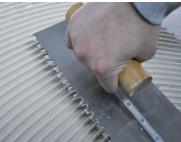
Tile adhesive is the primary application for high-viscosity HEMC grades (ACTA30000 to ACTA70000). HEMC-this tile adhesive additive provides the three performance pillars required by EN 12004 and ISO 13007 standards: extended open time (≥20 minutes for C2 class), non-slip performance for wall tiles, and sufficient water retention to prevent the adhesive from skinning before the tile is set. For large-format porcelain tiles (≥60×60 cm) and heavy natural stone, the higher viscosity grades (ACTA50000–ACTA70000) are preferred for their enhanced sag resistance. Typical dosage: 0.25–0.45% by weight.
In thin-coat renders (2–5 mm) applied over insulation boards, HEMC controls water loss to the insulation substrate, extends workability in hot and windy conditions, and ensures even film build. EIFS base coats require a careful balance between open time (to embed the reinforcing mesh) and set time (to allow overcoating within the same day). HEMC grades in the ACTA20000–ACTA50000 range are standard. Therefore,the film-forming property of HEMC also helps bridge micro-cracks in the render layer, improving the crack resistance of the EIFS system.
Gypsum systems demand cellulose ethers that are compatible with calcium sulfate chemistry and do not retard set times excessively. HEMC meets this requirement well.Therefore, it improves the spreadability of machine-applied gypsum, reduces splashing during spray application, and ensures the wet plaster does not dry out before it can be smoothed. Finishing plasters benefit from the lubricating and film-forming properties of HEMC, giving a harder, smoother surface that requires less sanding. Typical dosage: 0.15–0.30%.
Two-component flexible waterproofing mortars (Type III, EN 14891) rely on cellulose ethers to maintain a stable, workable slurry consistency between the mixing and application stages. HEMC mortar additive in the ACTA45000 range deliver the required thixotropy and water retention while remaining compatible with polymer-modified systems (SBR or acrylate latex). The reversible thermal gelation of HEMC mortar additive is a performance advantage in balcony and terrace waterproofing applications where surface temperatures can exceed 60°C on summer afternoons.
In joint fillers and grouts, HEMC prevents the mix from bleeding or settling between application and cure. In addtion,it also extends the window during which the joint can be tooled and smoothed. The film-forming effect of HEMC reduces surface porosity of the cured joint, improving stain resistance — an important consideration in kitchen and bathroom grouting applications. Medium-viscosity grades (ACTA20000) are standard for joint fillers; lower-viscosity grades may be used in flowable self-levelling grouts.
As a HEMC mortar additive, it improves water retention and workability in cement systems. In tile adhesive additive formulations, HEMC enhances open time and bonding strength.High-performance concrete repair mortars (structural and cosmetic) incorporate HEMC to achieve the adhesion and sag resistance required for vertical and overhead application. ACTA70000 is particularly suited to heavyweight concrete adhesives where maximum green strength is needed before the cementitious matrix develops its mechanical bond.
To explore how cellulose-based ingredients perform across different industries, visit our applications of cellulose stabilizers page for detailed use cases in food, pharmaceutical, and construction sectors.
Effective dosage varies by application but typically falls within the following ranges:
These figures are starting-point guidelines. Dosage should be optimized through laboratory trial batches using the same aggregate gradation, cement type, and water-to-binder ratio as the target production mix.
HEMC is best incorporated as part of the dry blending stage in factory production. In addition,it should be added to the dry premix and blended with cement, filler, and other powdered additives before packaging. Ensure the blending time is sufficient to distribute the HEMC powder uniformly — typically 3–5 minutes in a ribbon or paddle mixer. Avoid introducing HEMC powder directly into wet mixes, as localized hydration can form lumps that are difficult to disperse.
Store HEMC in sealed, moisture-proof bags (multi-layer kraft or PE-lined) in a cool, dry warehouse at temperatures below 30°C and relative humidity below 65%. Under these conditions, shelf life is 24 months from the date of manufacture. Avoid exposure to direct sunlight, which can degrade the polymer over extended periods. Once a bag is opened, reseal immediately after use.
HEMC is non-toxic, non-irritating, and biodegradable. It does not contain heavy metals, formaldehyde, or other hazardous substances. It is compliant with REACH (EU) regulations and does not appear on the SVHC candidate list. Safety Data Sheets (SDS) are available for all grades upon request.
Choosing the right HEMC grade is critical for achieving optimal performance in your formulation.
We supply a full range of Hydroxyethyl Methyl Cellulose grades with customized viscosity, consistent quality, and global supply capability.
✔ Stable viscosity across batches
✔ High water retention (up to 99%)
✔ Optimized for tile adhesive and mortar systems
✔ OEM and private label available
👉 Contact our technical team for formulation support or request a sample today.
Every batch of HEMC is tested against a standardized quality control protocol before release. Key in-process and final-product checks include:
Full CoAs with individual batch test results are issued with every shipment. Third-party testing is available upon request and can be arranged through approved laboratories in China, Germany, or the United States.
Industry Standards for Tile Adhesives and Mortars
Tile adhesive and dry mix mortar formulations must meet international performance standards to ensure bonding strength, durability, and safety.
These standards define critical performance metrics such as open time, slip resistance, tensile adhesion strength, and water retention.
EN 12004 standard for tile adhesives
ISO standards for tile adhesive performance
construction material industry guidelines
Tile adhesives should comply with international standards such as EN 12004 and relevant ISO specifications to ensure performance, safety, and durability in construction applications.
HEMC is derived from renewable cellulose feedstocks — primarily wood pulp from sustainably managed forestry operations. The polymer is fully biodegradable under composting conditions and does not accumulate in aquatic ecosystems.
Furthermore, because HEMC significantly reduces mortar wastage by extending open time and improving workability, it also indirectly contributes to reduced construction waste.
As a result, this becomes an increasingly important metric for contractors and developers pursuing green building certifications such as LEED, BREEAM, and DGNB.
In addition, low-dust and surface-treated HEMC grades are available for manufacturers seeking to reduce airborne cellulose fibers during dry-mix production.
Moreover, these optimized grades improve the occupational health profile of production facilities without affecting functional performance.
Standard commercial packaging is 25 kg net weight multi-layer kraft bags with inner PE liner. Jumbo bag (500 kg or 1,000 kg) supply is available for bulk customers. Custom packaging — including private-label bags with your brand, logo, and product designation — is available for OEM clients from a minimum order quantity of one full container load (typically 16–18 metric tons per 20-foot container).
Lead times from order confirmation to departure are typically 15–25 business days for standard grades. Custom viscosity grades or surface-treated formulations may require an additional 10–15 days for production scheduling. Samples (500 g to 5 kg) for laboratory evaluation are dispatched within 3–5 business days.
Yes. HEMC (Hydroxyethyl Methyl Cellulose) and MHEC (Methyl Hydroxyethyl Cellulose) are two names for exactly the same chemical substance — the abbreviation simply depends on the regional convention. European and some Asian markets tend to use MHEC; North American and international technical literature more commonly uses HEMC. Both refer to a cellulose ether with methyl and hydroxyethyl substituents on the glucose backbone.
In the majority of construction applications — tile adhesive, render, gypsum plaster, and joint filler — HEMC and HPMC are functionally interchangeable at equivalent viscosity grades. Minor dosage adjustments (typically ±5–10%) may be needed to match the open time and water retention performance of your existing formulation. Our technical team can assist with reformulation trials and dosage optimization.
For standard-format ceramic tiles on interior walls, ACTA20000–ACTA30000 is typically appropriate. For large-format porcelain or heavy stone on exterior facades, ACTA50000–ACTA70000 provides better sag resistance and green strength. Contact us for grade recommendations specific to your substrate, climate zone, and tile format.
At typical dosage levels (0.1–0.45%), HEMC has a negligible negative effect on compressive strength. The water-retention action of HEMC actually improves cement hydration efficiency, which can offset any minor dilution effect of the polymer. Mortars with optimized HEMC dosages routinely achieve the compressive strength classes specified by EN 12004, EN 998, and related standards.
Furthermore, formulators generally do not use standard HEMC grades as the primary thickener in self-levelling compounds (SLC), where flowability and surface spread are critical.
However, they may use low-viscosity HEMC (below 10,000 mPa·s) at very low dosages to improve water retention in SLC formulations without significantly affecting flow performance.
In contrast, they typically prefer specialist admixtures such as diutan gum or welan gum as the main rheology modifiers in self-levelling compound systems.
As a result, these systems achieve an optimal balance between flowability, leveling performance, and water retention.
Tile adhesive is the primary application for high-viscosity HEMC grades (ACTA30000 to ACTA70000).
Furthermore, EN 12004 and ISO 13007 standards require three key performance pillars for tile adhesives, and HEMC — as a functional additive — provides all of them: extended open time (≥20 minutes for C2 class), non-slip performance for wall tiles, and sufficient water retention to prevent the adhesive from skinning before tile placement.
In addition, as a functional HEMC mortar additive, it controls water release during cement and gypsum binder hydration, thereby directly influencing bond strength development, open time consistency, and workability across different substrates and climate conditions.
Moreover, for large-format porcelain tiles (≥60×60 cm) and heavy natural stone, installers prefer higher viscosity grades (ACTA50000–ACTA70000) due to their enhanced sag resistance. At these viscosity levels, HEMC mortar additive generates sufficient yield stress in the fresh mortar to hold heavy tiles vertically without slippage during setting — a performance that lower viscosity grades cannot reliably achieve.
Furthermore, HEMC exhibits thermal gelation behavior at elevated temperatures, which helps maintain water retention in hot or dry environments such as exterior facades and heated substrates. This provides a clear advantage over HPMC where thermal stability becomes a limiting factor.
Finally, typical dosage for HEMC mortar additive in tile adhesive formulations ranges from 0.25–0.45% by weight.
Manufacturers widely use HEMC in tile adhesives, cement mortars, wall putty, and self-leveling compounds to improve workability, water retention, and adhesion performance.
HEMC improves water retention, enhances consistency, and prevents premature drying, which ensures better cement hydration and higher final strength.
HEMC increases viscosity and creates a lubricating effect in cement mixtures, making the material easier to spread, apply, and adjust during construction.
Furthermore, in addition to HEMC and MHEC, we supply a full range of methyl hydroxyethyl cellulose grades.
Moreover, our product portfolio includes complementary construction additives such as Hydroxypropyl Methyl Cellulose (HPMC), Redispersible Polymer Powder (RDP/VAE), and Hydroxyethyl Cellulose (HEC) for paint and coating applications.
Our technical team can formulate complete admixture packages tailored to your dry-mix product line.
We supply HEMC / MHEC in commercial quantities to dry-mix manufacturers, mortar producers, and construction chemical formulators worldwide. Whether you need standard grades off the shelf or a custom viscosity profile under your own brand, our team is ready to support you from sample to full container-load supply.
Contact us today to request a sample, get a bulk quotation, or speak with our technical team about your specific application requirements.
Request samples, pricing, and formulation support today.
We provide bulk HEMC supply with consistent viscosity and global delivery.
Reviews
There are no reviews yet.