

Render additives, also known as render admixtures, are essential for improving performance in modern dry mix systems.
Render additives are specialty chemicals incorporated into cement- and gypsum-based coating systems to improve workability, extend open time, retain moisture, and resist cracking. Hydroxyethyl Methyl Cellulose (HEMC) is the most widely used functional additive in modern render formulations, delivering consistent performance across thin-coat plasters, thick-coat renders, and EIFS (Exterior Insulation and Finish Systems).
When contractors and specifiers choose render systems, performance is everything. A render that dries too fast develops surface cracks. One that loses adhesion fails inspection. One that is difficult to trowel wastes labor time and produces poor finishes. The solution to all three problems sits at the formulation stage — specifically in the selection and dosage of the right render additive.For improved water retention, many manufacturers use Hydroxyethyl Methyl Cellulose for render systems.
This guide covers every critical aspect of render additives: what they are, why they are necessary, how HEMC works within the system, and what performance benchmarks you should expect in real-world applications.
In construction, render refers to a factory-blended or site-mixed cementitious or gypsum-based coating applied to internal and external wall surfaces. Its primary purposes are protection against weathering, structural reinforcement of the substrate, and preparation of an aesthetically acceptable surface for painting or decorative finishing.
Render differs from basic mortar in that it is applied in comparatively thin layers — typically 3 mm to 20 mm per coat — directly onto masonry, block, brick, or insulation boards. Because of this thinness, every millimeter of the material must perform at a high level across three core criteria:
Modern renders are classified by binder type (cement, lime, gypsum, or polymer-modified), by application layer (scratch coat, base coat, finish coat), and by system (traditional wet render, EIFS base coat, thermal insulation composite systems). Each variant places slightly different demands on the additive chemistry — but all of them benefit from cellulose ether technology.
A plain cement-sand or gypsum-sand mix, applied without functional additives, creates a short window of workability and a high probability of early-age defects. Understanding the failure modes of unmodified render explains precisely why additives are not optional — they are formulation essentials.
Most render failures in the field are not caused by incorrect mixing ratios or poor craftsmanship. They originate at the formulation stage — specifically from the absence, wrong grade, or insufficient dosage of functional additives. The following are the six most frequently reported render defects, their root causes, and the additive-based solutions that resolve them reliably.
Problem 01
Symptoms: Fine hairline cracks appearing within 30–90 minutes of application; map cracking visible before initial set; cracking concentrated on exposed or sunny faces.
Root cause: Rapid surface evaporation creates a moisture gradient between the outer skin and the body of the render. The drying surface contracts while the wet core resists — generating tensile stress that the unset material cannot absorb.
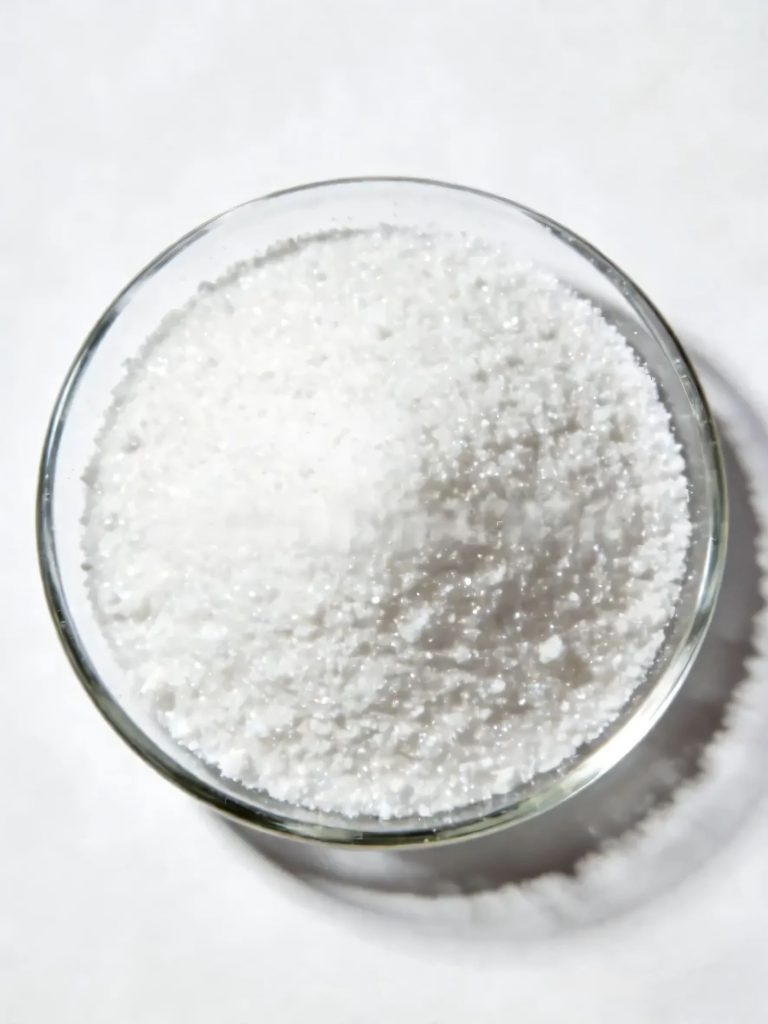
✔ Additive solution: HEMC (Hydroxyethyl Methyl Cellulose)
HEMC forms a hydrated polymer network within the capillary structure of the mix, physically restricting water migration to the surface. At a dosage of 0.15%–0.25% by dry weight, HEMC reduces evaporative water loss by up to 80% under hot and windy conditions, maintaining uniform moisture distribution across the full depth of the render layer. The result: plastic shrinkage cracks are effectively eliminated, even at ambient temperatures above 35 °C, without curing membranes or post-application misting. See our HEMC technical page for viscosity grade selection by application type.
Problem 02
Symptoms: Hollow sound when tapping cured render; visible separation at render–substrate interface; render peeling in sheets, particularly on dense or low-porosity substrates (concrete, AAC blocks, EPS boards).
Root cause: Low-porosity substrates do not absorb mix water, so there is no capillary suction to draw the fresh render into mechanical contact with the surface. Bond relies entirely on the intrinsic adhesive properties of the binder — which, in unmodified cement mixes, is insufficient for smooth or painted surfaces.
✔ Additive solution: RDP (Redispersible Polymer Powder)
Redispersible Polymer Powder (RDP) — typically based on vinyl acetate-ethylene (VAE) or acrylic copolymers — redisperses in mix water to form a flexible polymer film at the render–substrate interface. This film dramatically increases tensile adhesion strength: pull-off values of 0.5–1.2 N/mm² (measured per EN 1015-12) are routinely achievable on dense concrete substrates with 1%–3% RDP addition by dry weight, compared with 0.1–0.3 N/mm² for unmodified renders. RDP also improves cohesion within the render body, reducing the risk of inter-coat delamination in two-coat systems. In EIFS base coat formulations, RDP is considered a mandatory component alongside HEMC.
Problem 03
Symptoms: Mix stiffens on the hawk or in the pump within 15–20 minutes of preparation; troweling drags rather than glides; cold joints form between batches on large surfaces; surface cannot be re-worked for floating.
Root cause: Rapid water absorption by the substrate and/or fast surface evaporation depletes the free water in the mix faster than the applicator can work the surface. Gypsum binders are particularly susceptible due to their inherently short set window.
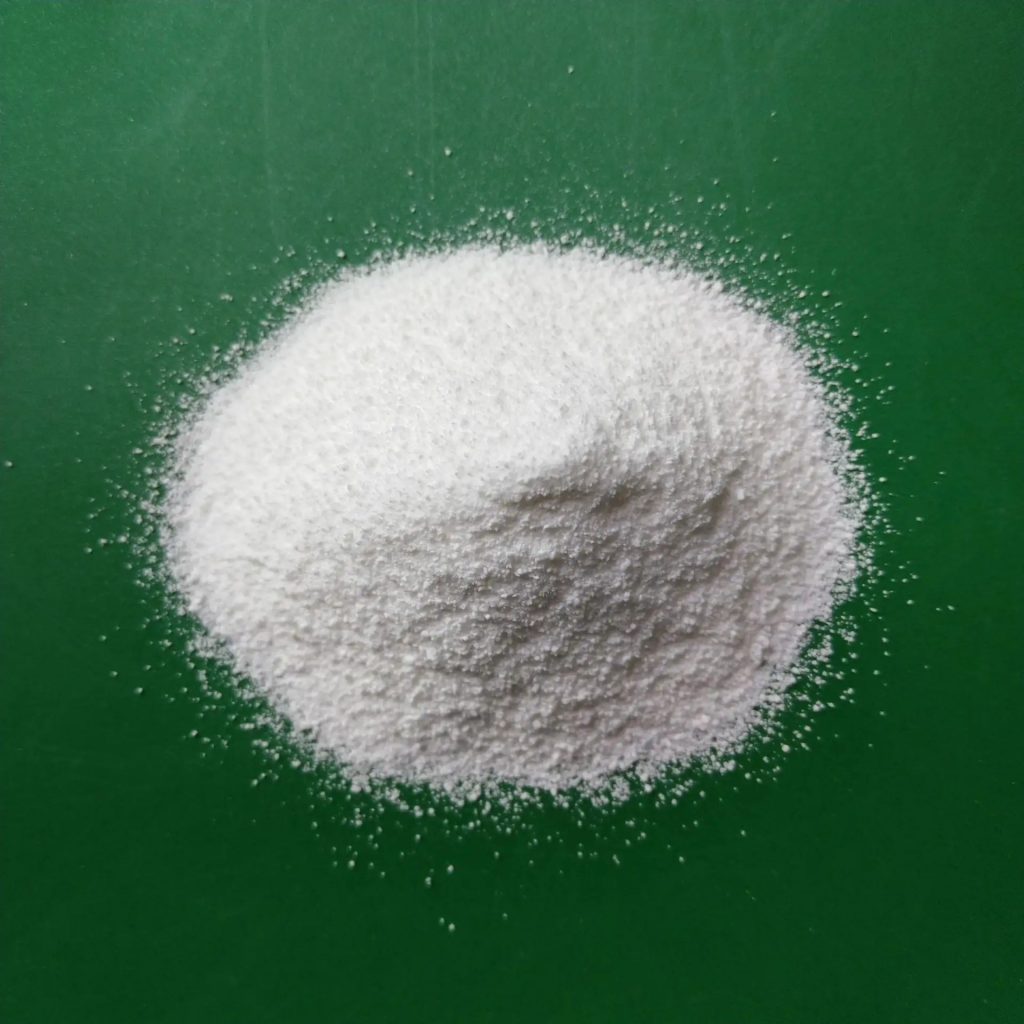
Cellulose ethers — HEMC and its close relative HPMC (Hydroxypropyl Methyl Cellulose) — are the primary open-time extenders in dry-mix render chemistry. By binding free water within the polymer network, they slow both substrate absorption and surface evaporation simultaneously, extending practical workability from 15–20 minutes in an unmodified mix to 45–90 minutes in a properly dosed formulation. For gypsum plasters, cellulose ether also acts as a set retarder at higher dosages, providing the applicator with a controllable setting window. The target viscosity grade and dosage should be matched to the ambient temperature: higher viscosity grades or increased dosage are required in hot, low-humidity conditions.
Problem 04
Symptoms: Fresh render slides or slumps downward immediately after application; impossibility of achieving specified layer thickness in a single pass; curtaining or rippling patterns in the surface.
Root cause: Insufficient yield value (static viscosity) in the fresh mix. The material flows under its own weight before it can stiffen sufficiently to support itself.
✔ Additive solution: High-viscosity HEMC + optimized aggregate grading
HEMC provides thixotropic behavior: high viscosity at rest (resisting sag) combined with low viscosity under shear (allowing smooth trowel application). For thick-coat renders applied at 10–20 mm in a single pass, a high-viscosity HEMC grade (40,000–80,000 mPa·s at 2% solution) at 0.20%–0.30% dosage is recommended. Aggregate grading also plays a role — a well-graded sand with adequate fine content supports the polymer network and reduces the void volume that would otherwise allow paste migration under gravity.
Problem 05
Symptoms: Surface tears under the trowel; rough, pitted texture after floating; brush marks or trowel lines visible in finished surface; excessive labor time to achieve acceptable flatness.
Root cause: Insufficient lubrication in the mix — either from low cellulose ether dosage, inappropriate viscosity grade, or inadequate fine aggregate content — causes the binder particles to resist movement under the trowel rather than flowing smoothly.
✔ Additive solution: Cellulose ether + starch ether (optional)
Cellulose ether provides the primary lubrication and slip that makes a render feel responsive under the trowel. For applications requiring a particularly smooth finish coat — such as fine finishing plasters applied at 2–5 mm before painting — a small addition of starch ether (0.01%–0.05% by dry weight) alongside HEMC further enhances surface slip and reduces trowel drag. Starch ether also improves the open time of the surface film, allowing the float to work the material for longer without picking or tearing.
Problem 06
Symptoms: Spalling, pitting, or surface scaling on external renders after the first winter; progressive loss of surface hardness across successive freeze-thaw cycles; moisture staining indicating deep water penetration.
Root cause: High capillary porosity in the cured render absorbs rainwater, which freezes and expands within pore walls. Repeated cycling fractures the microstructure from within.
✔ Additive solution: HEMC + air-entraining agent (AEA)
HEMC improves freeze-thaw resistance indirectly by producing a denser, lower-porosity microstructure through more complete binder hydration. Combined with an air-entraining agent at 0.01%–0.05% dosage, the system introduces a network of discrete micro-air bubbles (50–200 μm diameter) that act as expansion chambers for freezing water — relieving hydraulic pressure before it reaches destructive levels. Renders formulated with this combination reliably meet freeze-thaw resistance classifications D1 and D2 per EN 998-2 without increasing water-cement ratio.
| Render Problem | Primary Additive | Typical Dosage | Mechanism |
|---|---|---|---|
| Surface cracking | HEMC | 0.15% – 0.25% | Water retention, reduced shrinkage |
| Poor adhesion / delamination | RDP | 1% – 3% | Polymer film, tensile bond strength |
| Fast drying / short open time | Cellulose ether (HEMC / HPMC) | 0.10% – 0.30% | Water binding, evaporation control |
| Sagging on vertical surfaces | High-viscosity HEMC | 0.20% – 0.30% | Thixotropy, yield value increase |
| Poor surface finish / trowel drag | Cellulose ether + starch ether | CE 0.10–0.20% + SE 0.01–0.05% | Lubrication, surface slip |
| Freeze-thaw surface damage | HEMC + AEA | HEMC 0.15% + AEA 0.01–0.05% | Dense microstructure + air void system |
Cement hydration is a chemical reaction that requires water. When water evaporates from the surface of fresh render faster than it can migrate from within the mix, the outer skin dries while the body remains wet. This differential creates tensile stress at the surface — stress that the unset material cannot resist. The result is plastic shrinkage cracking: fine surface cracks that form within the first one to four hours after application, often before any mechanical loading occurs.
In warm, dry, or windy conditions — particularly relevant for exterior applications in summer — water loss can occur within 20 to 30 minutes of application. Without a water retention agent, no amount of skilled workmanship prevents cracking.
Open time is the window during which a render remains workable and capable of bonding effectively with the substrate or the following coat. Unmodified renders set rapidly; joints between fresh and slightly older material create weak planes that, under load, become delamination sites. Additives extend open time by slowing water migration, giving applicators sufficient time to work large surfaces uniformly.
Without a rheology modifier, render mixes tend toward either excessive stiffness (difficult to spread, poor substrate contact) or excessive fluidity (sag on vertical surfaces, segregation). Both extremes compromise the final surface quality and the structural integrity of the coating.
Adhesion, workability, and water retention collectively determine surface finish. A mix that dries unevenly, bonds inconsistently, or drags under the trowel produces a textured or blistered surface that requires additional remediation coats — increasing both material cost and labor time.
Hydroxyethyl Methyl Cellulose (HEMC) is a non-ionic, water-soluble cellulose ether produced by chemically modifying natural cellulose with methyl and hydroxyethyl groups. When dissolved in the mix water and combined with the dry binder-aggregate blend, HEMC creates a hydrated polymer network that modifies the physical behavior of the fresh render in several complementary ways.
For a detailed technical profile of HEMC — including viscosity grades, substitution chemistry, and solubility parameters — see our dedicated HEMC product page.
HEMC is primarily valued for its water retention capability. The dissolved polymer chains form a three-dimensional network within the capillary structure of the mix, physically restricting the movement of free water to the surface. Laboratory testing consistently shows that even a 0.2% dosage of a medium-to-high viscosity HEMC can reduce water loss by 60–80% compared with an unmodified control, measured over a standard 30-minute evaporation period under controlled conditions.
This retained water serves two functions simultaneously: it keeps the binder fully hydrated for complete cement or gypsum hydration, and it preserves the workability of the mix surface so the applicator can continue finishing without adding excess water (which would weaken the cured render).
By slowing the drying rate and homogenizing moisture distribution across the depth of the render layer, HEMC significantly reduces the differential shrinkage that drives plastic crack formation. The polymer network also provides a degree of flexible cohesion within the wet matrix — bridging microaggregate contacts and absorbing the microstrains generated during early-age volume change.
In field testing on external renders applied to autoclaved aerated concrete (AAC) blocks — a highly porous substrate with aggressive water demand — HEMC-modified mixes produced crack-free surfaces at ambient temperatures up to 35 °C without curing membranes or misting. Unmodified controls cracked within 45 minutes under the same conditions.
HEMC acts as a rheology modifier: it increases the apparent viscosity of the mix at rest (preventing sag and slumping on vertical surfaces) while reducing viscosity under shear (the force applied by a trowel or pump), making the mix feel smooth and responsive in the hand. This combination of pseudoplastic behavior gives applicators precise control — the render stays where it is placed, yet spreads fluidly without drag.
Machine-applied renders benefit particularly from this rheological profile. Pump-grade HEMC grades are optimized to maintain consistent pumpability through hose lengths of 30 m or more without segregation or blockage, while still producing a surface smooth enough for direct decoration.
Depending on the substitution degree and molecular weight, HEMC can be formulated to provide mild air entrainment — improving freeze-thaw resistance in external renders in cold climates — without compromising compressive strength beyond specification limits.
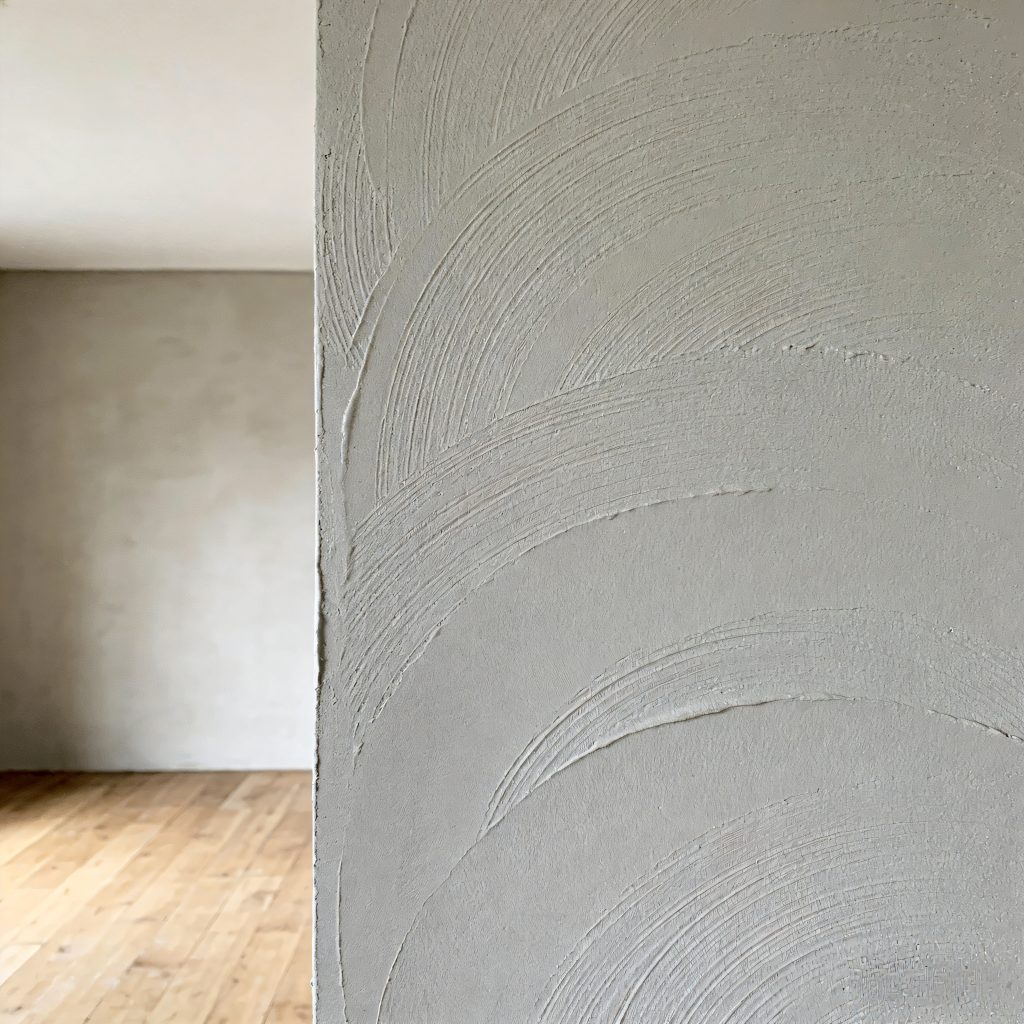
Render additives play a vital role in interior wall plaster by enhancing workability, adhesion, and surface finish. When incorporated into gypsum or lime-based plasters, they improve open time and reduce shrinkage cracking, allowing applicators to achieve a smoother, more uniform surface. Additives such as cellulose ethers retain moisture during the curing process, ensuring consistent hydration and preventing premature drying that can compromise the integrity of the finished wall.
In exterior applications, render additives must withstand demanding environmental conditions including rain, frost, UV exposure, and thermal cycling. Polymer-based additives significantly boost the flexibility and crack resistance of cement renders, preventing water ingress and surface delamination over time. Hydrophobic agents can also be introduced to repel moisture while maintaining vapor permeability, making the exterior envelope more durable and energy-efficient without sacrificing breathability.
External Insulation and Finish Systems (EIFS) rely heavily on specialized render additives to bond the finish coat to the underlying insulation board and reinforcement mesh. Additives enhance the tensile strength and impact resistance of the thin render layer, which must perform structurally despite its limited thickness. Flexibility modifiers are particularly critical in EIFS applications, as the system undergoes continuous movement due to thermal expansion and contraction of the insulation substrate beneath.
Skim coats and finishing layers demand the highest level of surface refinement, and render additives are essential in achieving the ultra-smooth, paint-ready finish required. Rheology modifiers improve spreadability and self-leveling properties, enabling thin, even application across large surface areas. Anti-sagging agents prevent material from slumping on vertical surfaces, while setting-time regulators give applicators precise control over the working window — a critical factor in achieving seamless joints and a flawless final appearance.
For EIFS systems, specialized EIFS additives are required to achieve flexibility and long open time.
Exterior Insulation and Finish Systems (EIFS) — also known as external wall insulation composite systems (EWICS) in European standards — are among the most demanding applications for render additives. EIFS consists of a polymer-modified base coat applied over an expanded polystyrene (EPS) or mineral wool insulation board, embedded with reinforcing mesh, and finished with a decorative topcoat.
Because the substrate is an insulation board rather than masonry, EIFS base coats must satisfy performance requirements that are distinctly more stringent than conventional renders:
In high-performance applications, HEMC for plaster and render is preferred due to its stability.
HEMC grades designed for EIFS applications are typically formulated at higher molecular weights (yielding 2% solution viscosities of 30,000–80,000 mPa·s) and with enhanced thermal gelation properties, providing stable wet film behavior across the wide temperature range encountered on working facades.
Dosage is expressed as a percentage of total dry blend weight. The appropriate dosage depends on several variables: the binder type (cement or gypsum), aggregate grading, layer thickness, application method (hand or machine), ambient conditions, and target performance specification.
| Application | Typical HEMC Dosage (% dry weight) | Viscosity Grade (2% solution, mPa·s) |
|---|---|---|
| Cement-based render (hand applied) | 0.10% – 0.20% | 15,000 – 30,000 |
| Gypsum-based plaster (hand applied) | 0.10% – 0.25% | 20,000 – 50,000 |
| Machine-applied render | 0.10% – 0.20% | 10,000 – 25,000 |
| EIFS base coat | 0.20% – 0.35% | 30,000 – 80,000 |
| Self-leveling underlayment (thin coat) | 0.05% – 0.15% | 5,000 – 15,000 |
Dosage optimization note: Exceeding the upper dosage limit does not linearly improve performance — beyond the saturation point, excess HEMC can reduce early strength development and increase air entrainment to levels that compromise surface hardness. Always confirm dosage through laboratory trial mixes before full production.
For formulators, procurement engineers, and R&D teams developing dry-mix render products, the additive selection discussion becomes concrete only when anchored to actual mix design numbers. The tables below present reference formulations for three standard render system types: cement-based exterior render, gypsum-based interior plaster, and EIFS polymer-modified base coat. These are starting-point compositions validated in laboratory conditions; final production formulations should always be optimized through wet-mix trials adjusted for local aggregate grading, ambient application conditions, and target EN 998 performance class.Standard formulations may also include Hydroxypropyl Methyl Cellulose in render as a cost-effective solution.
| Material | Function | Proportion (% dry weight) | Notes |
|---|---|---|---|
| Portland cement CEM I 42.5R | Binder | 30 – 35 | Higher content for harder surface class |
| Hydrated lime | Co-binder / workability | 5 – 10 | Improves plasticity; reduces autogenous shrinkage |
| Graded silica sand (0–1 mm) | Fine aggregate | 25 – 30 | Provides fine packing for smooth finish |
| Graded silica sand (0–2 mm) | Coarse aggregate | 25 – 30 | Structural skeleton; reduces shrinkage |
| HEMC (40,000 mPa·s) | Water retention / workability | 0.15 – 0.20 | Grade up to 60,000 mPa·s for hot / dry climates |
| RDP (VAE-based) | Adhesion / flexibility | 1.5 – 2.5 | Mandatory for dense / low-porosity substrates |
| Air-entraining agent | Freeze-thaw resistance | 0.01 – 0.03 | For W2 / frost-exposure class per EN 998-2 |
| Water (mix water) | Hydration | 18 – 22 L / 100 kg dry | Adjust to achieve flow class F2 per EN 1015-3 |
| Material | Function | Proportion (% dry weight) | Notes |
|---|---|---|---|
| Stucco / hemihydrate gypsum (β) | Binder | 50 – 65 | Higher % for machine-applied grades |
| Perlite / lightweight aggregate | Filler / thermal | 20 – 35 | Reduces density; improves thermal insulation |
| Limestone filler (<63 μm) | Filler / workability | 10 – 15 | Improves packing density and surface smoothness |
| HEMC (20,000–30,000 mPa·s) | Water retention / set control | 0.10 – 0.20 | Also extends set time; match grade to open-time spec |
| Starch ether | Surface slip / finish | 0.02 – 0.05 | Particularly important for finish-coat plasters |
| Set retarder (protein-based) | Setting time control | 0.05 – 0.20 | Adjust to target working time ≥ 60 min |
| Material | Function | Proportion (% dry weight) | Notes |
|---|---|---|---|
| Portland cement CEM II 42.5N | Binder | 28 – 35 | Lower C3A content preferred for crack control |
| Graded silica sand (0–0.5 mm) | Fine aggregate | 50 – 58 | Fine grading essential for mesh embedment layer |
| RDP (acrylic or VAE, Tg ≤ 0 °C) | Flexibility / adhesion to EPS | 3.0 – 5.0 | Higher dosage critical — EPS is non-porous substrate |
| HEMC (60,000–80,000 mPa·s) | Water retention / open time / sag resistance | 0.25 – 0.35 | High MW grade essential for 45–90 min open time |
| Glass fiber (AR-grade, 6 mm) | Tensile reinforcement | 0.1 – 0.3 | In addition to embedded mesh; improves impact resistance |
| Hydrophobic agent (silicone-based) | Water repellency | 0.1 – 0.3 | Reduces capillary water uptake; W1 classification |
Formulation Engineer’s Note
All percentages above are expressed as a proportion of total dry blend weight. Water addition is adjusted separately to reach the target consistency (flow class or slump) for the specific application method. When substituting aggregate source or grading, recalculate the HEMC dosage: coarser aggregates and higher aggregate-to-binder ratios generally require a proportional increase in cellulose ether to maintain equivalent water retention and workability. For machine-applied systems, verify pump pressure compatibility using a lower-viscosity HEMC grade (10,000–25,000 mPa·s) before scaling to production.For complete solutions, explore dry mix mortar additive systems.
A question frequently raised in formulation reviews is whether HEMC and RDP can be reduced to cut cost without measurable performance loss. The short answer is: below the minimum effective threshold, performance degradation is nonlinear and sudden — not gradual.
For HEMC, the critical minimum dosage in a cement-based exterior render is approximately 0.12% by dry weight. Below this threshold, the polymer chain concentration is insufficient to form a continuous network across the capillary pore system, and water retention falls sharply — typically dropping from >92% retention (at 0.20%) to below 75% (at 0.08%), measured per EN 1015-8. At 75% water retention, plastic shrinkage cracking risk under standard test conditions is equivalent to an unmodified mix.
For RDP in EIFS base coat, the minimum effective dosage for adhesion to EPS is approximately 2.5% by dry weight. Below this level, polymer film formation at the render-EPS interface is discontinuous, and pull-off adhesion values fall below the 0.25 N/mm² minimum required by ETAG 004 (the European technical approval guideline for EIFS). Formulators should treat 3.0%–5.0% as the functional range, not a target that can be optimized downward without systematic testing.
For a technical consultation on grade selection, dosage optimization, or formulation troubleshooting, contact our formulation support team.
The functional effects of HEMC described above translate into measurable, specification-relevant performance improvements that can be evaluated in accordance with EN 998-1 (gypsum plasters) and EN 998-2 (masonry mortars and renders) standards.
Controlled water retention produces a render surface that remains uniformly plastic during floating and troweling. This eliminates the dry patches and differential absorption patterns that cause uneven texture, pulling, or trowel drag. The resulting surface is smoother at a microscopic level — reducing paint consumption on decorated walls by up to 15% compared with unmodified substrates in controlled trials.
Plastic shrinkage cracks (formed within hours) are effectively eliminated by adequate HEMC dosage. Long-term autogenous shrinkage cracking is also reduced because the improved hydration efficiency of the binder produces a denser microstructure with lower porosity — meaning less volumetric change as residual moisture is lost over weeks and months.
Bond strength between render and substrate is measured as pull-off adhesion (EN 1015-12). HEMC-modified renders consistently show adhesion values 20–40% higher than unmodified controls on low-porosity substrates (concrete, dense brick, EPS). This improvement results from the extended open time — the render remains tacky for longer and achieves better mechanical keying with the substrate surface.
Renders in external applications must survive hundreds of freeze-thaw cycles across their service life. HEMC reduces water absorption in the cured render (because the denser, well-hydrated microstructure has fewer capillary pores), directly reducing the volume of freezable water within the material. When combined with an appropriate air-entraining agent, HEMC-modified renders can comply with freeze-thaw resistance classifications D1 and D2 per EN 998-2.
One of the most practically valuable properties of HEMC is its thermal gelation behavior: at temperatures above approximately 65–75 °C (depending on the substitution ratio), HEMC gels reversibly, providing additional sag resistance in warm conditions. This means a formulation designed for 20 °C ambient will still perform predictably at 35 °C — an important consideration for projects in Southern Europe, the Middle East, and other hot climates.
Render and mortar are both cement- or gypsum-based construction materials, and they share some raw material components. However, their intended functions, mix designs, and additive requirements differ significantly — and confusing the two in specification can lead to performance failures.
| Property | Render | Mortar |
|---|---|---|
| Primary function | Protective and decorative wall coating | Bonding agent for masonry units |
| Layer thickness | 3 – 20 mm per coat | 8 – 15 mm joint thickness |
| Aggregate grading | Fine (0–2 mm) for smooth finish | Medium (0–4 mm) for strength |
| HEMC dosage | 0.10% – 0.35% | 0.05% – 0.25% |
| Key performance priority | Surface finish, crack resistance, adhesion to substrate | Compressive strength, bond to masonry unit, joint durability |
| Open time requirement | Long (45–90+ min for large areas) | Moderate (30–60 min) |
| Applicable EN standard | EN 998-1 (gypsum), EN 998-2 (cement) | EN 998-2 |
For a deeper comparison of additive selection, testing protocols, and performance specifications in mortar applications, see our mortar additives guide.
Choosing the right render additives depends on application type, substrate, and climate conditions
In cement render applications, the use of plaster additives ensures consistent workability and crack resistance.Hydroxyethyl Methyl Cellulose (HEMC) is widely considered the best functional additive for cement-based renders. It improves water retention, workability, open time, and crack resistance without negatively affecting compressive strength at recommended dosages of 0.10%–0.20% of dry blend weight. For polymer-modified systems, HEMC is often combined with redispersible polymer powder (RDP) to further enhance flexibility and adhesion.
Render additives such as HEMC prevent cracking primarily by retaining water within the fresh mix, slowing the drying rate, and reducing differential shrinkage between the surface and the body of the render layer. By maintaining uniform moisture distribution, the additive ensures consistent curing and minimizes the tensile stress that causes plastic shrinkage cracks in the first hours after application.
Yes. HEMC is fully compatible with gypsum binders and is one of the most commonly used additives in gypsum plaster formulations. It extends the setting time (open time), reduces water demand, improves slip resistance of the wet mix, and produces a smoother finish surface. Dosage for gypsum systems is typically 0.10%–0.25% by weight of dry blend, depending on viscosity grade and desired set time.
Both HEMC (Hydroxyethyl Methyl Cellulose) and HPMC (Hydroxypropyl Methyl Cellulose) are cellulose ether additives used in dry-mix construction products. HEMC generally offers better water retention efficiency per unit dosage and higher thermal gelation temperature, making it preferable for hot-weather applications and EIFS systems. HPMC tends to have slightly lower water retention but offers a broader viscosity range and is widely used in tile adhesives and joint fillers as well as renders.
EIFS base coat formulations typically use 0.20%–0.35% HEMC by dry weight, at higher viscosity grades (30,000–80,000 mPa·s at 2% solution concentration). The higher dosage and viscosity are required to deliver the extended open time (45–90 minutes), sag resistance on vertical surfaces, and flexibility needed to accommodate thermal movement of the EPS insulation substrate.
Whether you are developing a new dry-mix render product, troubleshooting cracking in an existing formulation, or sourcing HEMC for large-volume production, our technical team is available to support you at every stage.
🔬 Explore HEMC
Full technical specifications, viscosity grades, and application data for our HEMC product range.View HEMC Product Page →
🛠 Technical Support
Speak with our formulation engineers about dosage optimization, grade selection, and lab trial support.Get Technical Support →
📋 Request a Quotation
Get a competitive price for sample quantities or bulk orders. Fast response, flexible lead times.Get a Quotation →