

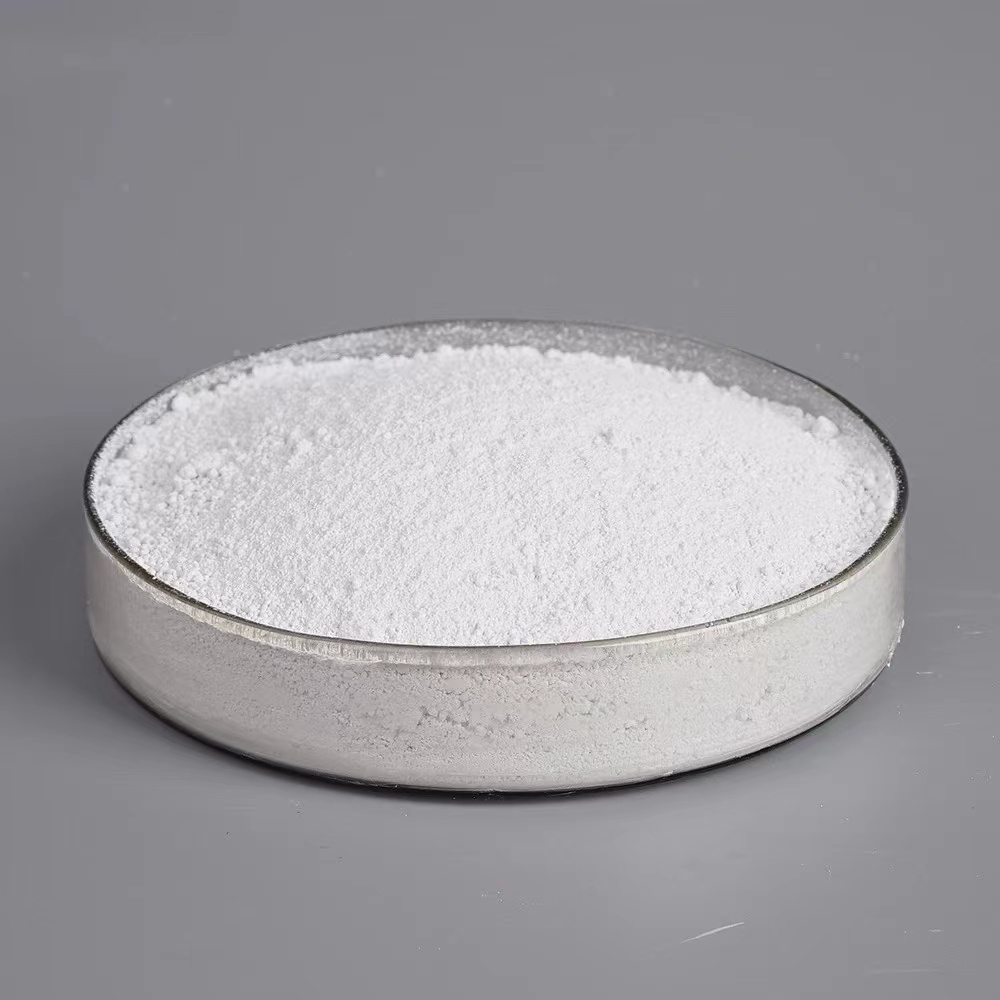
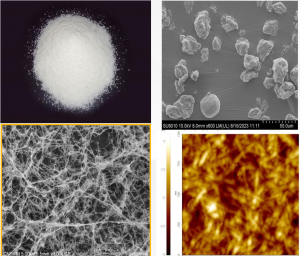
Microcrystalline cellulose gel is a food grade MCC gel widely used as an MCC gel stabilizer in dairy, frozen desserts, and pharmaceutical systems. Also known as colloidal MCC gel, it functions as both a texture modifier and MCC gel fat replacer in low-fat formulations, while providing excellent suspension stability in oral dosage systems.
Looking for a reliable supplier of food grade microcrystalline cellulose gel? We provide multiple viscosity grades for dairy, ice cream, and pharmaceutical applications, with full regulatory documentation and global supply capability.
Microcrystalline cellulose gel is a colloidal dispersion of cellulose particles that forms a thixotropic network in water. It is widely used as a stabilizer, fat replacer, and suspending agent in food and pharmaceutical applications.
Microcrystalline cellulose gel (MCC gel) is produced by processing purified cellulose — derived from wood pulp or cotton linters — under controlled mechanical and hydration conditions until the crystalline cellulose particles reach colloidal or near-colloidal size. The resulting material is a white, odorless, tasteless aqueous dispersion that forms a stable three-dimensional gel network in water-based systems.
Unlike dry MCC powder, which requires high-shear mixing to hydrate and activate, MCC gel is supplied in a pre-hydrated, ready-to-use form. The gel network is held together by hydrogen bonding between cellulose particles and exhibits thixotropic behavior: it flows readily under shear (stirring, pumping, pouring) and recovers its structured, gel-like consistency when the shear force is removed.
Microcrystalline cellulose is recognized as safe under FDA regulations. See details from the U.S. Food and Drug Administration (FDA).
MCC gel enhances texture, creaminess, and stability in dairy products and pharmaceutical suspensions. Its colloidal network prevents sedimentation, controls ice crystal growth, suppresses syneresis, and mimics the mouthfeel contribution of fat — making it valuable in both reduced-fat food formulations and oral liquid pharmaceutical products.
For solid dosage and dry applications, explore microcrystalline cellulose powder.
Microcrystalline cellulose is a refined wood pulp derivative widely used as a stabilizer and texturizer. Learn more from Wikipedia.
1.
| TEST ITEMS | ACT591 | ACT3212 | ACT611 | ACT538 | ACT521 |
| Loss on drying,w/% | ≤7.0 | ≤7.0 | ≤7.0 | ≤7.0 | ≤7.0 |
| Residue on ignition,w/% | ≤5.0 | ≤5.0 | ≤5.0 | ≤5.0 | ≤5.0 |
| Viscosity,1.2%,mpa.s | 39-91 | 50-200 | 50-151 | 39-175 | 50-100 |
| Particle Size retained on 60 mesh sieve | <1 | <1 | <1 | <1 | <1 |
| Heavy Metal,mg/kg | ≤10 | ≤10 | ≤10 | ≤10 | ≤10 |
| Total aerobic microbial count,cfu/g | ≤1000 | ≤1000 | ≤1000 | ≤1000 | ≤1000 |
| Total moulds and yeasts count,cfu/g | ≤100 | ≤100 | ≤100 | ≤100 | ≤100 |
| Escherichia coli | Not detected/10g | Not detected/10g | Not detected/10g | Not detected/10g | Not detected/10g |
| Salmonella species | Not detected/10g | Not detected/10g | Not detected/10g | Not detected/10g | Not detected/10g |
| Staphylococcus aureus | Not detected/10g | Not detected/10g | Not detected/10g | Not detected/10g | Not detected/10g |
| Pseudomonas aeruginosa | Not detected/10g | Not detected/10g | Not detected/10g | Not detected/10g | Not detected/10g |
| Application | food and beverage | Milk shake, sauce | food and beverage | Neutral milk drinks, vegetable protein drinks |
food and beverage |
The terms microcrystalline cellulose gel and colloidal MCC describe closely related but technically distinct concepts.
Colloidal MCC is a material category — microcrystalline cellulose that has been processed to colloidal particle size and is capable of forming a thixotropic network in water. Microcrystalline cellulose gel is a specific product form: a pre-hydrated, fully activated dispersion that is ready to incorporate directly into formulations without further processing steps.
In practical terms, MCC gel is the commercial, application-ready expression of colloidal MCC. When formulators refer to “adding MCC gel” to a food or pharmaceutical product, they mean incorporating a pre-formed colloidal dispersion — not dispersing dry colloidal MCC powder from scratch.
| Microcrystalline Cellulose Gel | Colloidal MCC (Dry Powder Form) | |
|---|---|---|
| Product state | Pre-hydrated aqueous dispersion | Dry redispersible powder |
| Activation required | None — ready to use | Requires hydration and shear |
| Processing convenience | High | Medium |
| Typical end use | Food stabilizer, pharma suspension | Both food and pharma; also industrial |
| Network formation | Immediate upon incorporation | Requires activation step |
Microcrystalline cellulose gel is a versatile, high-performance ingredient that redefines what a single additive can achieve in modern formulation. As both a stabilizer and a fat replacer, it streamlines your ingredient list while delivering the functional performance typically requiring multiple additives — reducing complexity without compromising results.
Its unique ability to mimic the mouthfeel of fat means formulators can significantly cut caloric content while maintaining the rich, creamy texture that consumers expect, opening the door to indulgent-tasting yet better-for-you products. When it comes to temperature resilience, microcrystalline cellulose gel excels under pressure: its exceptional freeze-thaw stability prevents syneresis, ice crystal formation, and texture breakdown, ensuring your product looks and tastes just as good after storage as it did on day one. Its compatibility spans an impressive range of categories — whether you’re developing a low-fat yogurt, a plant-based cream alternative, or a pharmaceutical suspension, it integrates seamlessly into your system. And with growing consumer demand for transparency, its clean-label credentials speak for themselves: non-GMO, allergen-free, and recognized as a safe, natural-origin ingredient worldwide. For formulators looking to do more with less, microcrystalline cellulose gel is not just an ingredient
Microcrystalline cellulose gel performs distinct functional roles depending on the system it is incorporated into. The following sections cover its primary application areas in food manufacturing and pharmaceutical production.
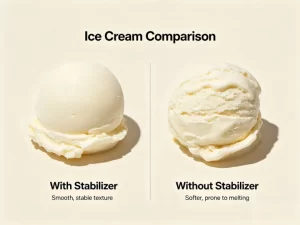
Microcrystalline cellulose gel is widely used in frozen desserts and dairy products, where its combination of ice crystal control, emulsion stabilization, and fat-mimicking properties addresses multiple formulation challenges simultaneously.
As an MCC gel for ice cream, microcrystalline cellulose gel is highly effective in controlling ice crystal growth, improving melt resistance, and delivering a smooth, creamy texture even in reduced-fat formulations.
In ice cream manufacturing, MCC gel addresses three of the most commercially significant texture defects:
Coarse texture during storage is caused by ice crystal recrystallization — existing crystals grow larger during temperature fluctuation in the distribution chain. MCC gel’s colloidal network physically impedes crystal growth, maintaining fine crystal structure and smooth mouthfeel throughout shelf life.
Air cell collapse reduces the light, creamy body consumers associate with premium ice cream. MCC gel stabilizes the overrun structure established during freezing, preventing air cell coalescence and maintaining consistent body and volume.
Rapid meltdown reduces perceived product quality and creates handling problems. MCC gel’s network slows the rate at which the frozen structure breaks down at room temperature, improving stand-up time and visual appeal at point of consumption.
In stirred yogurt, MCC gel suppresses syneresis — the separation of whey from the gel network that creates an unappetizing liquid layer on the yogurt surface. This is a major driver of consumer rejection and retailer complaints. MCC gel’s particle network reinforces the protein gel structure of yogurt, reducing moisture migration without altering the clean dairy flavor profile.
Processed cheese and cheese analogs
MCC gel contributes to melt resistance and sliceability in processed cheese products, and improves the textural consistency of plant-based cheese analogs where the protein network alone is insufficient to provide the desired body.
In pharmaceutical manufacturing, microcrystalline cellulose gel is used primarily as a suspending agent in oral liquid dosage forms — a role where its thixotropic properties are uniquely well-suited.
Oral suspensions contain insoluble active pharmaceutical ingredients (APIs) that must remain uniformly distributed throughout the liquid to ensure consistent dosing. Without an effective suspending agent, APIs sediment to the bottom of the bottle and form a hard cake that cannot be redispersed by normal shaking — resulting in underdosing at the start of the product’s use and potential overdosing at the end.
MCC gel addresses this through its thixotropic network: at rest, the gel structure holds API particles in suspension indefinitely. When the bottle is shaken before use, the network temporarily breaks down under shear, allowing the product to be poured and measured as a uniform liquid. The network then re-forms within seconds, re-suspending particles ready for the next dose.
This mechanism is well-documented in USP/NF and Ph. Eur., and MCC gel is one of a small number of suspending agents with full pharmacopoeial recognition for this application.
Topical pharmaceutical formulations — stabilizing oil-in-water emulsions in creams and lotions, contributing to smooth, non-greasy skin feel and long-term emulsion stability.
Ophthalmic preparations — providing suspension stability for insoluble ophthalmic API particles in eye drop formulations, where large particle aggregates would be both ineffective and uncomfortable.
Pediatric liquid formulations — its tasteless, odorless, non-caloric profile makes MCC gel particularly suitable for pediatric oral suspensions where flavor and palatability are formulation constraints.
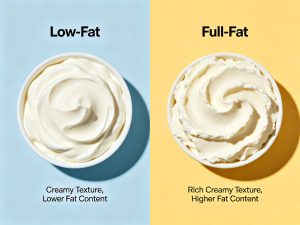
The reduction of fat in food products consistently degrades texture, mouthfeel, and consumer acceptance. Fat contributes to a product’s perceived richness through lubrication (the sensation of smoothness on the palate), viscosity contribution, and emulsion stability. Removing fat without replacing its functional contributions produces products that taste thin, watery, or chalky — even when the flavor profile is well-maintained.
In low-fat formulations, MCC gel functions as an efficient MCC gel fat replacer, mimicking the lubricity and mouthfeel of fat without adding calories.
Microcrystalline cellulose gel addresses this as a fat mimetic: its colloidal particles, at sub-micron size, interact with the tongue and palate in a manner physically similar to fat globules, providing the lubricity and fullness sensation associated with full-fat products.
Specific applications in low-fat and reduced-calorie formulations include:
Reduced-fat spreads and margarines — provides body and spread consistency in water-continuous fat-reduced spreads where the reduced fat phase alone cannot maintain structure.
Light cream alternatives and coffee creamers — delivers a creamy mouthfeel in products where fat content has been reduced for caloric or cost reasons.
Plant-based dairy alternatives — in oat milk, almond milk, and other plant-based drinks, MCC gel suspends insoluble particles, prevents sedimentation, and contributes to the creamy body that differentiates premium products in an increasingly competitive category.
It is commonly referred to as a food grade MCC gel when used in dairy, beverages, and processed foods requiring clean-label stabilizers.
Texture enhancement across product categories MCC gel’s colloidal network improves perceived texture in both food and pharmaceutical products — controlling ice crystal growth in frozen applications, suppressing syneresis in dairy gels, and maintaining viscosity in liquid formulations across a wide temperature and pH range.
Effective fat replacement without synthetic additives By mimicking the lubricity and mouthfeel contribution of fat globules at the palate, MCC gel enables meaningful fat reduction in dairy, dressing, and spread formulations without relying on synthetic fat mimetics or chemically modified starches.
In both food beverages and pharmaceutical oral suspensions, MCC gel’s thixotropic network prevents sedimentation and caking of insoluble particles — the defining performance requirement for products where uniform distribution is essential to quality or dose accuracy.
Broad formulation compatibility MCC gel is compatible with most hydrocolloids (carrageenan, locust bean gum, xanthan gum, pectin, CMC, guar gum), emulsifiers, proteins, and starches used in food and pharmaceutical manufacturing. It can be incorporated into synergistic stabilizer systems, allowing formulators to optimize texture profiles while managing ingredient costs.
Thermal and pH stability The MCC gel network is stable across pasteurization, UHT, and retort processing temperatures, and maintains functionality across a pH range of approximately 3.0–9.0 — covering the full spectrum of dairy, beverage, sauce, and pharmaceutical oral suspension applications.
Clean-label and regulatory compliance Microcrystalline cellulose gel carries GRAS status in the USA, E460 approval in the EU, and pharmacopoeial recognition (USP/NF, Ph. Eur.) for pharmaceutical use. Its natural cellulose origin, non-GMO profile, and absence of allergens make it compatible with clean-label, organic-adjacent, and natural product positioning.
Non-caloric dietary fiber contribution Because MCC gel is non-digestible, it contributes zero calories to formulations while simultaneously allowing products to declare dietary fiber content — a dual benefit relevant to reduced-calorie and functional food positioning.
For hydrocolloid blends, visit carboxymethyl cellulose (CMC).
Q: What are the benefits of microcrystalline cellulose gel? A: MCC gel enhances texture, creaminess, and stability in dairy products and pharmaceutical suspensions. Its colloidal network prevents sedimentation, controls ice crystal growth in frozen products, suppresses syneresis in yogurt, and mimics the mouthfeel contribution of fat — making it an effective stabilizer and fat replacer across both food and pharma applications.
Q: Is microcrystalline cellulose gel the same as colloidal MCC? A: They are closely related but not identical. Colloidal MCC is a material category describing MCC processed to colloidal particle size. Microcrystalline cellulose gel is a specific product form — a pre-hydrated, fully activated dispersion ready for direct incorporation into formulations. All MCC gel products are colloidal MCC, but colloidal MCC can also be supplied as a dry redispersible powder that requires activation before use.
Q: Is MCC gel safe in food and pharmaceutical applications? A: Yes. Microcrystalline cellulose holds GRAS status in the United States under FDA 21 CFR 182.90 and is listed as E460 under EU food additive regulations. It is monographed in the USP/NF and Ph. Eur. pharmacopoeias for pharmaceutical use. It is an indigestible dietary fiber with no known adverse effects at typical usage levels and an extensive global safety record in both food and pharmaceutical manufacturing.
A: Usage levels vary by application and formulation. In ice cream, typical levels are 0.1–0.5% by weight. In stirred yogurt, 0.2–0.6% is common depending on protein content and desired texture profile. In low-fat dressings, 0.3–1.0% is typical. These figures are starting points — exact dosage should be optimized through application trials, particularly when MCC gel is used in combination with other hydrocolloids.
Q: Can MCC gel be used in pharmaceutical oral suspensions? A: Yes. MCC gel is one of the recognized suspending agents for oral pharmaceutical suspensions, documented in USP/NF and Ph. Eur. Its thixotropic network keeps insoluble API particles uniformly suspended at rest and allows the product to flow as a uniform liquid when shaken before dosing. It is particularly well-suited to pediatric oral suspensions given its tasteless, odorless, non-caloric profile.
Q: How is MCC gel incorporated into a food formulation? A: Because it is pre-hydrated, MCC gel can be added directly to the aqueous phase of a formulation with moderate agitation — no pre-soaking, high-shear activation, or special equipment is required. It is typically added before heat treatment for best results. Compatibility with other ingredients in the stabilizer system should be confirmed through small-scale trials before scaling to production.
Q: Is microcrystalline cellulose gel suitable for vegan and allergen-free products? A: Yes. MCC gel is derived from plant-based cellulose (wood pulp or cotton linters), contains no animal-derived ingredients, and is free from the major food allergens. It is compatible with vegan, vegetarian, and allergen-free product declarations in all major regulatory markets.
Q: What is the shelf life and storage requirement for MCC gel? A: As a pre-hydrated aqueous dispersion, MCC gel should be stored in sealed containers at cool to ambient temperatures (typically 5–25°C), away from direct heat and freezing. Shelf life under recommended storage conditions is typically 12–24 months depending on the specific product grade and packaging. Consult the product technical data sheet for grade-specific storage and shelf life data.
Looking for a reliable bulk supplier of microcrystalline cellulose gel with consistent quality, full regulatory documentation, and dedicated technical support?
Visit our main [Microcrystalline Cellulose product page] for complete specifications, available grades, certifications, minimum order quantities, and pricing — or contact our formulation team directly to discuss the right MCC gel grade for your food or pharmaceutical application.
We supply food-grade and pharmaceutical-grade microcrystalline cellulose gel to manufacturers across North America, Europe, and Asia, with samples available for application trials.
Reviews
There are no reviews yet.