

MCC uses in pharmaceuticals continue to expand as pharmaceutical manufacturers seek reliable excipients that improve tablet quality, simplify production, and ensure regulatory compliance. Today, MCC uses in pharmaceuticals include direct compression tablets, capsule filling, orally disintegrating tablets (ODTs), chewable tablets, and controlled-release formulations. Because microcrystalline cellulose combines binding, filling, and disintegration functions in a single ingredient, therefore MCC uses in pharmaceuticals have become essential for modern drug formulation and tablet manufacturing.”
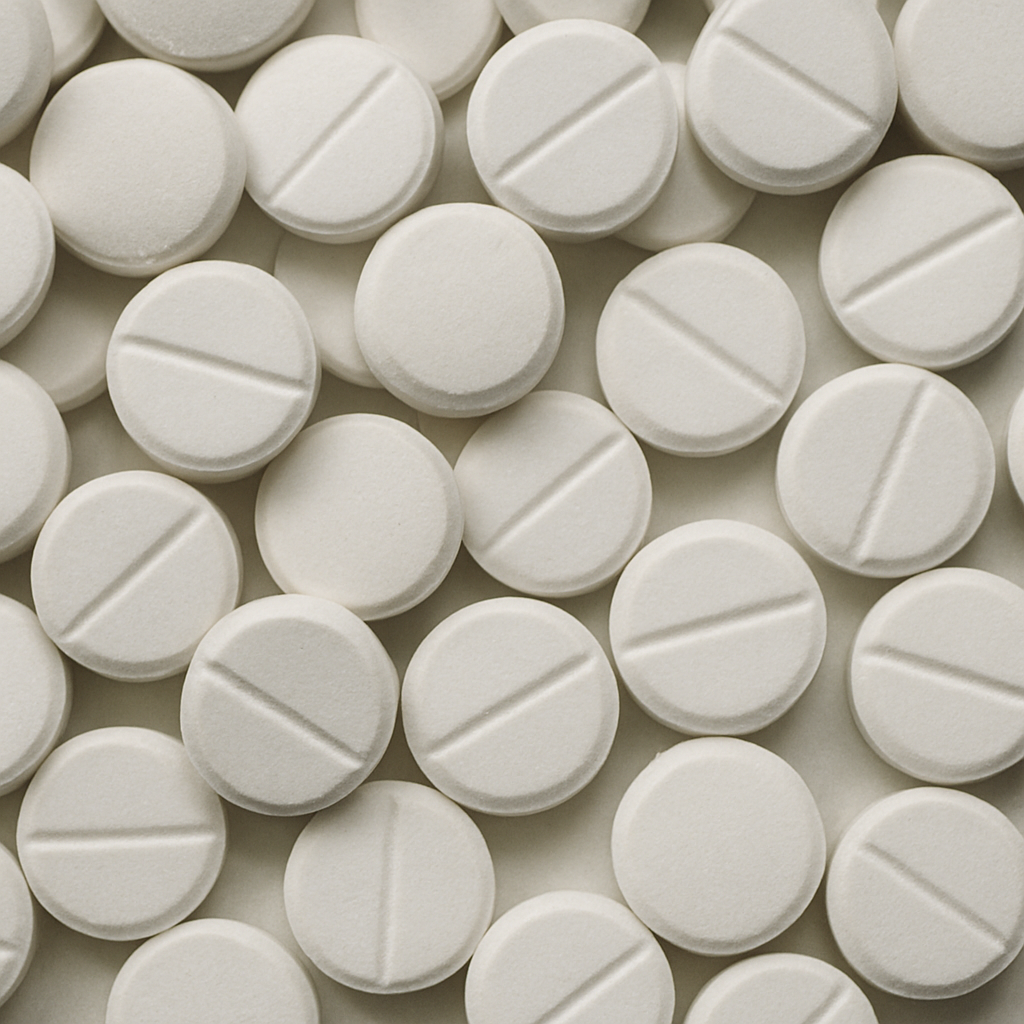
Microcrystalline cellulose (MCC) serves as a binder, filler, disintegrant, and direct compression excipient in modern tablet and capsule formulations. This comprehensive guide explores microcrystalline cellulose in tablets, MCC pharmaceutical applications, and practical tips for selecting the right grade to enhance product performance and manufacturing efficiency.Selecting the correct pharmaceutical grade MCC is essential for ensuring formulation performance and regulatory compliance.
MCC direct compression technology has become the preferred manufacturing approach for many pharmaceutical companies because it reduces production costs while maintaining tablet quality. Moreover, as an MCC binder and filler, MCC performs multiple functions within a single formulation.
Microcrystalline cellulose (MCC) is the world’s most widely used pharmaceutical excipient, simultaneously functioning as a binder, filler, disintegrant, and direct compression aid. Approved under USP/NF, EP, and JP, it is compatible with nearly all APIs, available in multiple grades (PH101 through PH302), and is found in over 70% of oral solid dosage forms. This guide explains every pharmaceutical application of MCC, compares grades and alternatives, and addresses the most common formulation challenges.These diverse MCC pharmaceutical applications range from conventional tablets and capsules to advanced orally disintegrating formulations.
Today, microcrystalline cellulose in tablets remains one of the most common excipient choices because it provides excellent compressibility, reliable disintegration, and consistent manufacturing performance.
Specifically, microcrystalline cellulose (MCC) is a purified, partially depolymerized cellulose derived primarily from high-quality wood pulp or cotton linter.
It is manufactured by treating alpha-cellulose with dilute mineral acid under controlled conditions, which selectively hydrolyzes the amorphous regions of the cellulose chain while preserving the crystalline microstructure. The result is a white, odorless, free-flowing powder characterized by a high degree of crystallinity (typically 55–80%), excellent mechanical strength, and a hydrogen-bonding surface that makes it indispensable in pharmaceutical tablet manufacturing.
Historically, first commercialized in the early 1960s under the brand name Avicel® by FMC Corporation, MCC rapidly became the reference standard for pharmaceutical binder-diluents. Today it is manufactured by multiple producers worldwide — including Qingdao Acta Biotechnology Co., Ltd. — and is listed in all major pharmacopoeias under the monograph for Microcrystalline Cellulose (USP/NF, Ph.Eur., JP, Ph.Int.).
🌿Raw Material
Wood Pulp / Cotton Linter
🔬CAS Number 9004-34-6
💧Water Solubility Insoluble
🧬Crystallinity 55–80%
⚗️Reactivity Chemically Inert
📋Pharmacopoeia USP · EP · JP · Ph.Int.
Supplying USP/NF · EP · JP compliant MCC (PH101, PH102, PH200) and MCC Gel to pharmaceutical manufacturers in 30+ countries. Full CoA, DMF support, HALAL & BRC certification available.View MCC Product Range →
Among all MCC uses in pharmaceuticals, its role in direct compression (DC) tableting is the most significant, and therefore it remains the primary reason why the pharmaceutical industry considers MCC the gold-standard excipient. In this manufacturing method, formulators simply blend the API with excipients and then compress the mixture directly into tablets without any granulation step. As a result, direct compression is faster, more cost-effective, and less complex than wet granulation. In addition, it avoids exposing moisture-sensitive or heat-sensitive APIs to water, solvents, and elevated drying temperatures during processing.
However, not all powders are suitable for direct compression. To achieve consistent tablet quality and efficient production, formulators must use excipients that provide adequate flowability, sufficient compressibility, and excellent chemical stability. Specifically, powders should typically exhibit a Carr Index below 25% and generate tablet tensile strengths of at least 1.0 MPa at the target compression force. Fortunately, MCC meets and often exceeds these requirements, which is why manufacturers widely rely on it for direct compression formulations. MCC exceeds these requirements across all grades:
| MCC Level in Formulation | Tablet Hardness | Disintegration | Best Use Case |
|---|---|---|---|
| 10–20% w/w | Low (fragile) | <5 min (fast) | High-API load — add superdisintegrant |
| 20–50% w/w | Moderate–Good | 5–15 min | Standard immediate release DC |
| 50–80% w/w | Very Good | 10–30 min | Direct compression, may need disintegrant |
| >80% w/w | Excellent | Can be slow (>30 min) | Extended release matrix only |
The economic case for MCC in direct compression is compelling. Eliminating wet granulation reduces capital investment, energy consumption, drying time, and risk of API degradation by heat or moisture. As a result, a facility adopting direct compression with MCC can reduce tableting cycle time by 30–50% compared to traditional wet granulation routes. Furthermore, the success of MCC direct compression depends on MCC’s unique combination of flowability and compressibility. Because MCC flows efficiently into tablet dies while also forming strong compacts under pressure, manufacturers can achieve consistent tablet quality without additional processing steps. Consequently, MCC remains the preferred excipient for direct compression across a wide range of pharmaceutical formulations.
In addition, formulators frequently use microcrystalline cellulose in tablets to improve tablet hardness while maintaining rapid disintegration characteristics. As a binder, MCC creates strong cohesion between powder particles during compression, and therefore produces mechanically robust tablets that can withstand handling, coating, packaging, and transportation. Furthermore, MCC is widely recognized as one of the most effective dry binders available because it operates through two complementary mechanisms:
Request a sample or quote for high-quality MCC powders for your pharmaceutical formulations.
Under compression force, MCC particles undergo irreversible plastic deformation — they flatten and conform to neighboring particles, dramatically increasing inter-particle contact area. This process is rate-independent, meaning it occurs effectively even at high press speeds, unlike elastic materials that spring back upon decompression.
Request a sample or quote for high-quality MCC powders for your pharmaceutical formulations.
urthermore, the hydroxyl groups on the surface of crystalline cellulose form strong inter-particle hydrogen bonds at newly created contact points during compression. Although each bond is individually weak (approximately 20 kJ/mol), millions of these bonds form simultaneously throughout the tablet matrix. As a result, MCC generates exceptionally strong compacts with tensile strengths of 1.5–3.0 MPa, which are sufficient to withstand coating, packaging, transportation, and routine handling.
For this reason, MCC uses in pharmaceuticals as a binder continue to expand across a wide range of tablet formulations. In direct compression systems, the typical MCC concentration ranges from 20% to 90% w/w, depending on the API characteristics and desired tablet properties. Moreover, manufacturers can eliminate binder solutions, drying operations, and additional processing equipment. Consequently, MCC direct compression simplifies production, reduces manufacturing costs, shortens processing time, and improves overall operational efficiency. Compared with wet binders such as PVP and HPMC, or dry binders that require hot-melt processing, MCC provides a more efficient and economical solution for modern pharmaceutical manufacturing.
Modern pharmaceutical APIs are increasingly potent — active doses of 1–25 mg require a tablet weighing 200–500 mg to be practical for patients to handle. The bulk of that tablet mass must be composed of an inert filler/diluent. MCC is the preferred filler because, unlike passive bulking agents, it contributes positive mechanical and functional properties to the formulation:
Unlike lactose (which contributes only passive bulk) or dicalcium phosphate (which can abrade tablet press tooling), MCC as a filler simultaneously improves compressibility. Each additional 10% of MCC added to a formulation typically raises tablet tensile strength by 0.2–0.4 MPa — a unique “positive feedback” effect no other common filler provides.
In addition, the disintegrant function of MCC is one of the least discussed yet most important aspects of its pharmaceutical performance. In fact, it is one of the key reasons why MCC uses in pharmaceuticals continue to expand across modern tablet formulations and why MCC outperforms many single-function fillers. When an MCC-containing tablet comes into contact with aqueous fluid, water rapidly penetrates the tablet structure. As a result, two complementary mechanisms work simultaneously to break the tablet apart and promote API release:
The porous microstructure of MCC particles acts as a network of capillaries. Water is drawn into the tablet interior by capillary pressure — the same force that draws water into a paper towel. This wicking breaks the hydrogen bonds holding the particles together, and the tablet disintegrates from the inside out. This mechanism does not require swelling and functions reliably across a wide pH range (1–8), making MCC effective throughout the entire GI tract.
Furthermore, as MCC absorbs water, individual particles swell slightly, typically by 3–5% in volume. Although this level of swelling is considerably lower than that of superdisintegrants such as sodium starch glycolate, which can expand by 200–300%, it nevertheless contributes meaningfully to tablet disintegration. In particular, the swelling creates an outward disruptive force within the tablet matrix and thereby complements MCC’s capillary wicking action. Consequently, these two mechanisms work synergistically to enhance the disintegrant performance of microcrystalline cellulose in tablets, ensuring rapid tablet breakup and consistent API release.
⚡ Formulation Insight: Using MCC alone as a disintegrant (at 20–50% concentration) gives reliable disintegration times of 5–20 minutes for immediate-release tablets — acceptable for most oral solid dosage forms. For faster disintegration (<5 minutes) without sacrificing tablet hardness, combine MCC with 2–5% croscarmellose sodium (AcDiSol) or crospovidone.
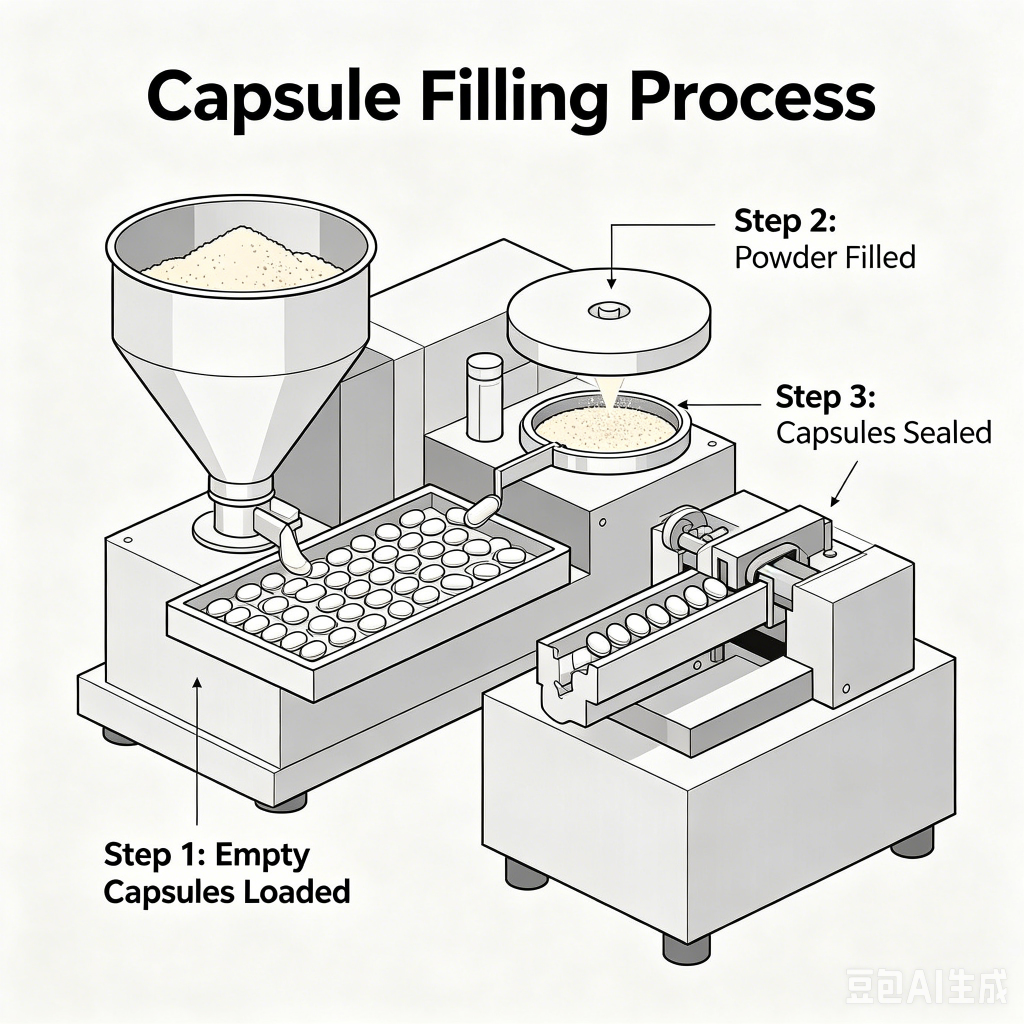
MCC is widely used as a diluent and flow aid in hard capsule formulations — both hard gelatin capsules (HGC) and hydroxypropyl methylcellulose (HPMC) capsules used for vegetarian/vegan products. The key performance parameters are powder flow and bulk density, both of which MCC handles well.
In capsule manufacturing, MCC serves several functions:
Recommended grades for capsule filling: PH101 (fine particle size, excellent packing) and PH301/PH302 (high-density grades providing better volumetric filling accuracy in automated systems).Among all MCC pharmaceutical applications, capsule filling remains one of the most important because of MCC’s superior flow properties.The use of MCC in capsules helps reduce bridging and segregation problems.
Request a sample or quote for high-quality MCC powders for your pharmaceutical formulations.
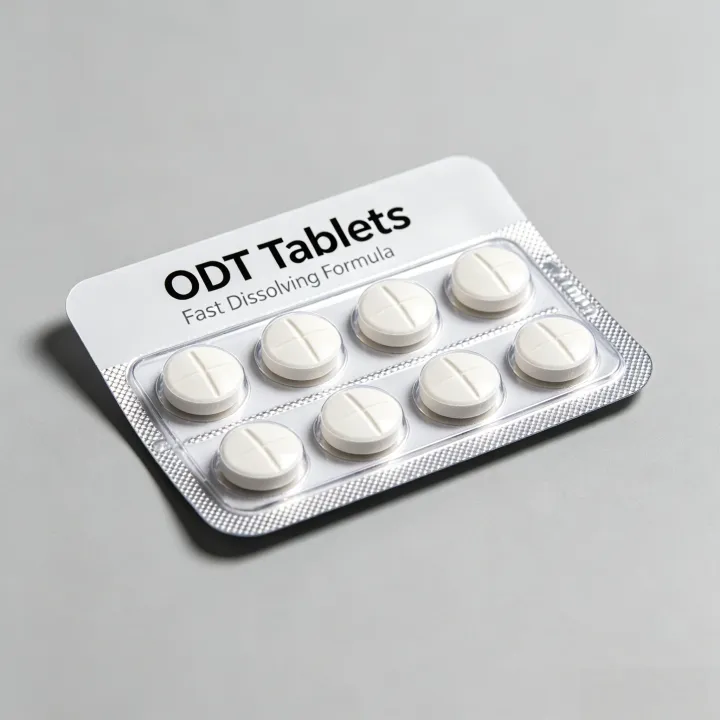
Orally disintegrating tablets (ODTs) represent one of the fastest-growing segments of oral solid dosage forms, driven by demand from pediatric, geriatric, and dysphagia patient populations. ODTs must disintegrate in the mouth within 30 seconds (per FDA guidance) while remaining mechanically robust (≥20 N hardness) during packaging and handling — a challenging combination.Manufacturers frequently select MCC for ODT products because of its excellent wicking capability.
MCC — particularly MCC Gel (colloidal MCC) co-processed with CMC-Na — is the preferred excipient for ODT formulations because:
In chewable tablets (vitamins, antacids, pediatric medications), MCC contributes to the plastic, non-gritty texture that patients find acceptable, and its insolubility ensures that it does not contribute off-flavors even at high concentrations.
Request a sample or quote for high-quality MCC powders for your pharmaceutical formulations.
Selecting the correct MCC grade is one of the most critical formulation decisions. The grade determines particle size, bulk density, flow, compressibility, and moisture content — all of which directly affect tablet quality and manufacturability.
| Grade | Avg Particle Size (μm) | Bulk Density (g/mL) | Moisture (%) | Key Application |
|---|---|---|---|---|
| PH101 | ~50 | 0.27–0.34 | ≤5.0 | Wet granulation, capsule filling, pelletization |
| PH102 | ~100 | 0.28–0.35 | ≤5.0 | Direct compression — most widely used grade |
| PH103 | ~50 | 0.27–0.34 | ≤3.0 | Moisture-sensitive APIs (low moisture grade) |
| PH105 | ~20 | 0.20–0.30 | ≤5.0 | Very fine powder, ODT, suspension systems |
| PH112 | ~100 | 0.28–0.35 | ≤1.5 | Ultra-low moisture applications |
| PH200 | ~180 | 0.34–0.44 | ≤5.0 | High-speed DC, excellent flow for large tablets |
| PH301 | ~50 | 0.37–0.47 | ≤5.0 | High-density capsule filling, fine grade |
| PH302 | ~100 | 0.37–0.47 | ≤5.0 | High-density direct compression |
| MCC Gel | Colloidal dispersion | N/A (liquid) | ≥70% water | ODT, suspensions, liquid pharma systems |
These three grades cover 80%+ of pharmaceutical MCC usage. Choosing between them directly impacts manufacturing performance.
Particle Size~50 μm (fine)
FlowModerate
CompressibilityExcellent
Wet ability High
Best For Wet granulation, capsules, pelletization
Avoid For High-speed DC (poor flow)
PH101 is a widely used pharmaceutical grade MCC for wet granulation formulations.
Particle Size~100 μm (medium)
FlowGood
CompressibilityExcellent
Wet ability Moderate
Best For Direct compression — all standard tablets
PH102 remains the most popular pharmaceutical grade MCC for direct compression.
Avoid For Very high-speed (consider PH200)
Particle Size~180 μm (large)
Flow Excellent
Compressibility Good
Wet ability Lower
Best For High-speed presses, large-format tablets
Avoid For Wet granulation, fine powder ODTs
Quick Selection Guide: Default to PH 102 for most direct compression work. Switch to PH 101 for wet granulation or capsule filling requiring fine particle size. Upgrade to PH 200 when press speed exceeds ~100,000 tablets/hour or when tablet weight >400 mg creates flow challenges. Specify PH 103 or PH 112 only when API moisture sensitivity demands it.
| Property | MCC | Lactose Monohydrate | Pregelatinized Starch | Dicalcium Phosphate |
|---|---|---|---|---|
| Compressibility | ★★★★★ (plastic) | ★★★ (brittle) | ★★★ | ★★ (brittle) |
| Flow (DC) | ★★★★ | ★★★ | ★★ | ★★★★ |
| Disintegration Aid | ★★★★ | ★★ (soluble) | ★★★ | ★★ |
| API Compatibility | ★★★★★ | ★★★ (Maillard risk with amines) | ★★★ | ★★★★ |
| Moisture Sensitivity | Low–Moderate | Low | High | Very Low |
| Allergen Risk | None | Dairy (milk) | Corn/wheat possible | None |
| Cost (relative) | Medium | Low | Low | Very Low |
| Multifunctionality | ★★★★★ | ★★ | ★★★ | ★★ |
MCC vs. Lactose: Lactose is cheaper and widely used, but poses a Maillard reaction risk with APIs containing primary or secondary amine groups (e.g., ranitidine, fluoxetine, gabapentin). The resulting yellow discoloration and new chemical entities can trigger regulatory concerns. MCC is chemically inert and carries no such risk. Additionally, with lactose intolerance affecting up to 68% of the global adult population, MCC avoids a potential labeling and patient acceptability issue.
MCC vs. Pregelatinized Starch: Pregelatinized starch (PCS) is often used as a combined binder-disintegrant in direct compression, but its moisture absorption is significantly higher than MCC, making it problematic for moisture-sensitive APIs. MCC provides better compressibility and more consistent flow. PCS retains niche advantages in chewable tablets due to its pleasant mouthfeel.
MCC vs. Dicalcium Phosphate (DCP): DCP is inexpensive and pH-neutral, but its brittle fracture compaction mechanism produces tablets that are harder and more abrasion-resistant yet more prone to lamination and capping under high compression. DCP also tends to abrade tablet press punches over time. MCC’s plastic deformation avoids these issues entirely.
Request a sample or quote for high-quality MCC powders for your pharmaceutical formulations.
❌ Poor Flowability
Fine MCC grades (PH101, PH105) have poor flow due to high surface area and interparticle cohesion. This causes weight variation in tablet presses and capsule fillers.
✅ Solution: Switch to PH102 or PH200. Add 0.25–0.5% colloidal silica (Aerosil) as a glidant. Evaluate hopper geometry and vibration-assisted feeding.
❌ Over-Lubrication Sensitivity
MCC is sensitive to over-mixing with hydrophobic lubricants (MgSt). Extended blending creates a hydrophobic coat on MCC particles, dramatically slowing dissolution and disintegration.
✅ Solution: Reduce MgSt concentration to 0.25–0.5% w/w. Limit lubricant blending to 2–3 minutes final blend. Consider sodium stearyl fumarate as an alternative lubricant.
❌ Moisture Sensitivity
Standard MCC grades contain 3–5% equilibrium moisture. For moisture-sensitive APIs (aspirin, some penicillins, vitamins), this can accelerate degradation during storage.
✅ Solution: Specify low-moisture grades PH103 (≤3.0%) or PH112 (≤1.5%). Use desiccants in packaging. Control manufacturing area RH to ≤40%.
❌ Blend Segregation
Density differences between fine API particles and larger MCC granules can cause powder segregation in hoppers, leading to tablet content uniformity failures.
✅ Solution: Match API and MCC particle sizes. Use ordered mixing (API adhered to MCC carrier). Consider co-processing or granulation for low-dose, high-density APIs.
❌ Elastic Recovery / Capping
Rare with pure MCC, but some API-MCC blends with high elastic API content can cause tablet capping on ejection due to stored elastic energy.
✅ Solution: Increase pre-compression force. Reduce main compression speed. Add 5–10% additional MCC or an inorganic filler (DCP) to absorb elastic energy.
❌ Slow Disintegration at High Concentration
At concentrations >70% w/w, MCC can form a tightly bonded matrix that resists water penetration, slowing disintegration beyond pharmacopoeial limits.
✅ Solution: Add 2–5% superdisintegrant (croscarmellose sodium or crospovidone). Reduce compression force. Evaluate tablet hardness target — lower hardness (but still robust) aids disintegration.
Selecting the correct MCC grade requires aligning particle size, density, and moisture specification with the manufacturing process and API properties. Here is a practical decision framework:
| Requirement | Recommended Grade | Reason |
|---|---|---|
| Standard direct compression tablet | PH102 | Optimal balance of flow and compressibility |
| Wet granulation / capsule filling | PH101 | Fine particle size improves granule formation |
| High-speed tablet press (>100k/hr) | PH200 | Large particle size improves flowability |
| Moisture-sensitive API | PH103 or PH112 | Low equilibrium moisture reduces API exposure |
| ODT or fast-disintegrating tablet | PH105 or MCC Gel | Fine particle / colloidal grade aids rapid disintegration |
| High-density capsule filling | PH301 / PH302 | Higher bulk density improves fill weight accuracy |
| Extrusion-spheronization (pellets) | PH101 | Essential plasticizer and spheronization aid |
Beyond grade selection, verify supplier quality: insist on a Certificate of Analysis (CoA) with pharmacopoeial test results, confirm GMP manufacturing status (ISO 9001 minimum, cGMP preferred), and request Drug Master File (DMF) reference letters if registering in the US, EU, or Japan. Batch-to-batch consistency is critical — request historical data for key parameters such as particle size D50, bulk density, and Carr Index.
🔁Continuous Manufacturing
FDA and EMA are actively encouraging adoption of continuous manufacturing (CM) over batch processing. MCC’s consistent flow and compressibility make it ideally suited for twin-screw wet granulation, roller compaction, and continuous direct compression lines.
💊ODT Growth
The global ODT market is projected to grow at >8% CAGR through 2030, driven by geriatric and pediatric patient needs. MCC Gel demand is rising rapidly as the preferred ODT matrix excipient worldwide.
👶Pediatric Dosage Forms
ICH E11(R1) regulatory guidance increasingly requires child-appropriate formulations. MCC-based mini-tablets (2–3 mm diameter), age-appropriate chewable tablets, and sprinkle capsules are emerging as key delivery systems.
🔬Co-Processed Excipients
Co-processing MCC with mannitol, sorbitol, or silicon dioxide creates engineered excipients with enhanced functionality. MCC/mannitol co-processed grades (e.g., Prosolv SMCC-equivalent types) offer superior flow plus compressibility for demanding formulations.
♻️Sustainable Sourcing
Pharmaceutical manufacturers are requiring supply chain sustainability documentation. MCC sourced from certified sustainably managed forests (FSC/PEFC) and manufactured with reduced-water processes will gain preference in tender specifications.
🤖AI-Assisted Formulation
Machine learning platforms are being used to predict optimal MCC grade and concentration for new APIs based on physicochemical property databases. This is reducing formulation development timelines from months to weeks.
Microcrystalline cellulose (MCC) is one of the most widely used pharmaceutical excipients in tablet and capsule manufacturing. It serves as a binder, filler, and disintegrant — all in one ingredient. Because of its excellent compressibility and flow properties, MCC is found in over 70% of oral solid dosage forms worldwide, including immediate-release tablets, chewable tablets, and orally disintegrating tablets (ODTs).
For direct compression tablets, MCC PH-102 is the most recommended grade due to its superior flowability and high bulk density. For formulations requiring extra compressibility at low compression forces, MCC PH-200 (larger particle size) is preferred. If your tablet formula includes moisture-sensitive APIs, consider MCC PH-301 or PH-302, which offer lower moisture content while maintaining excellent compaction performance.
MCC is both — and that’s what makes it uniquely valuable. As a filler (diluent), MCC adds bulk to low-dose formulations. As a dry binder, it creates strong tablet compacts without the need for wet granulation. It also acts as a mild disintegrant by drawing water into the tablet matrix. This multi-functional performance is why MCC is often called the “gold standard” excipient in solid dosage manufacturing.
Yes. MCC is highly versatile across multiple dosage forms:
Its compatibility with a wide range of APIs makes it a reliable choice across all these formats.
MCC improves tablet hardness through a mechanism called plastic deformation — under compression, MCC particles deform and create a large contact surface area, resulting in strong inter-particle bonding. At the same time, MCC’s porous, hydrophilic structure rapidly absorbs water upon ingestion, expanding and breaking apart the tablet matrix. This unique dual action allows formulators to achieve both high hardness and fast disintegration — two properties that are normally in conflict — within the same formulation.
Both are common choices, but they serve different needs:
| Property | MCC | Lactose |
|---|---|---|
| Compressibility | Excellent | Moderate |
| Flow | Good (grade-dependent) | Good |
| Moisture sensitivity | Low–moderate | Low |
| Lactose intolerance risk | None | Yes |
| Cost | Moderate | Lower |
When evaluating MCC vs lactose, formulators should consider compressibility, flowability, and moisture sensitivity.For low-dose, high-potency APIs, MCC is generally preferred because its superior binding reduces tablet weight variability and content uniformity issues. For cost-sensitive, high-volume products where compressibility demands are moderate, lactose remains competitive. Many optimal formulations use MCC + lactose in combination to balance cost and performance.
Yes — significantly. MCC enables direct compression (DC), eliminating the need for wet granulation steps such as mixing, granulating, drying, and milling. This can reduce manufacturing cycle time by 30–50% and lower energy consumption, equipment costs, and labor. For manufacturers scaling up production or optimizing existing lines, switching to MCC-based direct compression formulations is one of the most impactful process efficiency improvements available.
MCC has an excellent safety profile and is approved by all major global regulatory agencies, including the FDA (GRAS status), EMA, and JP/CP pharmacopeias. It is chemically inert, non-toxic, non-allergenic, and not absorbed systemically. MCC is safe for use across oral solid dosage forms for all patient populations, including pediatric and geriatric applications. The only consideration is its moderate moisture content (~5%), which requires attention in formulations containing highly moisture-sensitive APIs.
Chewable tablets require a balance of sufficient hardness, pleasant mouthfeel, and acceptable disintegration in the mouth. The recommended approach:
MCC performs well alone, but strategic co-processing with other excipients unlocks additional formulation benefits:
Combining MCC with complementary excipients is a well-established strategy for fine-tuning dissolution profiles, compression behavior, and manufacturing efficiency.
MCC (microcrystalline cellulose) is used as a binder, filler/diluent, disintegrant, and direct compression aid in pharmaceutical tablets and capsules. It is the most widely used pharmaceutical excipient globally, present in more than 70% of all oral solid dosage forms. Key applications include direct compression tableting, wet granulation, capsule filling, pelletization by extrusion-spheronization, orally disintegrating tablets (ODTs), and controlled-release matrix tablets.
MCC is both simultaneously — and also a disintegrant and flow aid. This multifunctionality is MCC’s defining advantage over single-function excipients. As a binder, MCC creates tablet cohesion through plastic deformation and hydrogen bonding. About a filler, it provides bulk for low-dose APIs. As a disintegrant, it wicks water into tablet matrices via capillary action. This single ingredient replacing three or four others simplifies formulations and reduces regulatory burden.
Yes — unambiguously. MCC is chemically inert, non-toxic, non-absorbable, and has GRAS (Generally Recognized As Safe) status from the US FDA (21 CFR 182.90). It has been used safely in pharmaceutical products since the 1960s with an extensive clinical and commercial safety record. It is listed in USP/NF, European Pharmacopoeia (Ph.Eur. 0316), Japanese Pharmacopoeia (JP XVII), and the International Pharmacopoeia. The JECFA assigns it an ADI of “not specified” — the highest safety category.
MCC and lactose are both widely used tablet fillers/binders, but they differ significantly. MCC offers superior compressibility (plastic deformation vs. brittle fracture for lactose), is compatible with amine-containing APIs (lactose risks Maillard degradation with primary and secondary amines), and is suitable for lactose-intolerant patients. Lactose is less expensive and well-established. The right choice depends on API chemistry, patient population, regulatory market, and cost constraints. For new formulations with amine APIs or products targeting the 68% of global adults with lactose sensitivity, MCC is the safer choice.
MCC PH102 (average particle size ~100 μm) is the industry standard for direct compression due to its optimal balance of flowability and compressibility. It achieves Carr Index values of 12–18% (good-to-excellent flow) and tablet tensile strengths of 2.0–2.8 MPa at typical compression forces. For high-speed tablet presses (>100,000 tablets/hour) or large tablet sizes (>400 mg), PH200 (average ~180 μm) provides better flow with slightly reduced compressibility.
Yes. MCC PH101 and PH301/PH302 are commonly used in hard gelatin and HPMC capsule formulations as diluents and flow aids. MCC improves powder flow through dosing systems, produces consistent fill weights, and assists in tamping-pin plug formation in dosing-disc machines. The high-density grades (PH301, PH302) provide better volumetric fill weight accuracy in high-speed capsule-filling equipment.
No. MCC is insoluble in water, dilute acids, dilute alkalis, and most common organic solvents. It swells slightly (3–5% volume increase) upon wetting, which contributes to its disintegrant action in tablets. This insolubility distinguishes MCC from CMC (carboxymethyl cellulose) and HPMC, which dissolve or swell extensively in water. The insolubility of MCC means it does not affect solution viscosity in liquid formulations, and tablets containing MCC disintegrate rather than dissolve.
MCC PH102 is the most widely used pharmaceutical grade of microcrystalline cellulose. PH102 meets the key specifications defined by USP/NF and Ph.Eur. (average particle size ~100 μm, moisture content ≤5.0%, pH 5.0–7.5 for a 10% aqueous suspension, loss on drying ≤7.0%, and heavy metals ≤10 ppm), and it specifically optimizes direct compression tablet manufacturing, providing an ideal balance of powder flowability and compressive binding strength.
MCC dominates tablet formulation because no other single excipient matches its combination of advantages: (1) exceptional compressibility through plastic deformation, (2) providing simultaneous binder, filler, and disintegrant functionality, (3) offering compatibility with virtually all APIs, (4) enjoying regulatory acceptance in every major market (FDA/USP, EP, JP), (5) backed by over 60 years of commercial safety history, and (6) enabling direct compression — the most cost-efficient tableting process.
In contrast, every alternative excipient covers only some of these attributes, whereas MCC covers all of them.
Overall, MCC outperforms starch across nearly every critical formulation parameter. For example, MCC provides significantly better compressibility, whereas starch typically exhibits poor compaction behavior in direct compression applications. In addition, MCC absorbs less moisture, while starch is highly hygroscopic and may become unstable in high-humidity manufacturing environments. Moreover, MCC delivers superior batch-to-batch consistency, improved powder flowability, and broader API compatibility, all of which contribute to more reliable manufacturing performance.
However, starch continues to serve important functions in specific pharmaceutical formulations. For instance, formulators frequently use native starch as a dedicated disintegrant at levels of 5–20%, and they also incorporate it as a thickening agent in liquid dosage forms. Nevertheless, when comparing MCC vs starch for direct compression tablets, MCC consistently demonstrates superior performance as a binder and filler. Consequently, microcrystalline cellulose in tablets helps improve tablet hardness, content uniformity, and production efficiency. Therefore, pharmaceutical grade MCC remains the preferred excipient for manufacturers seeking robust tablet performance and reliable large-scale production.
Manufacturers prefer MCC for direct compression because it eliminates the need for granulation while still maintaining excellent tablet properties.
MCC (Microcrystalline Cellulose) is the first choice for direct compression — and for good reason. Unlike traditional wet granulation, MCC eliminates extra processing steps, thereby cutting production time and cost without sacrificing quality.
In addition, its exceptional compressibility, superior flowability, and natural binding strength ensure that manufacturers consistently obtain high-hardness tablets every time. As a result, leading pharmaceutical producers worldwide rely on MCC to streamline and optimize their tablet manufacturing process.
MCC for ODT applications helps achieve rapid disintegration while also enhancing the overall patient experience. When it comes to orally disintegrating tablets (ODTs), both speed and comfort are critical factors. Fortunately, microcrystalline cellulose (MCC) delivers both benefits simultaneously.
Because of its unique porous structure, MCC absorbs saliva quickly and efficiently. As a result, the tablet can begin to break apart in as little as 30 seconds, often without the need for water. At the same time, despite its rapid disintegration properties, MCC provides sufficient binding strength to maintain tablet integrity during manufacturing, packaging, transportation, and routine handling.
Furthermore, this combination of fast disintegration and strong mechanical performance addresses one of the biggest challenges in ODT formulation. In other words, MCC enables formulators to achieve both structural stability and a pleasant mouthfeel within a single excipient system. In addition, MCC offers excellent compressibility, chemical inertness, and broad compatibility with a wide range of APIs. Consequently, MCC has become one of the most widely used excipients in ODT manufacturing worldwide.
Ultimately, better ODT formulations start with the right excipient. Therefore, many formulators choose pharmaceutical grade MCC because it helps improve patient compliance, simplifies formulation development, and delivers consistent product performance. As a result, MCC for ODT applications continues to play a critical role in modern orally disintegrating tablet formulations.
As a result, microcrystalline cellulose in tablets continues to serve as the industry standard for modern solid dosage manufacturing. Moreover, the expanding scope of MCC pharmaceutical applications highlights the exceptional versatility of this multifunctional excipient in tablets, capsules, ODTs, and other oral dosage forms. In addition, these MCC binder and filler properties play a critical role in improving compressibility, tablet hardness, disintegration performance, and manufacturing efficiency. Consequently, pharmaceutical grade MCC remains a preferred choice for formulators seeking reliable performance and regulatory compliance. Ultimately, when evaluating MCC vs lactose, manufacturers should consider formulation goals, API compatibility, processing requirements, and overall production costs to determine the most suitable excipient strategy.
GMP-compliant MCC and MCC Gel supplied to pharmaceutical manufacturers in 30+ countries. Full regulatory support: CoA, DMF letters, USP/EP/JP certification, HALAL, BRC.
Request a sample or quote for high-quality MCC powders for your pharmaceutical formulations.
