

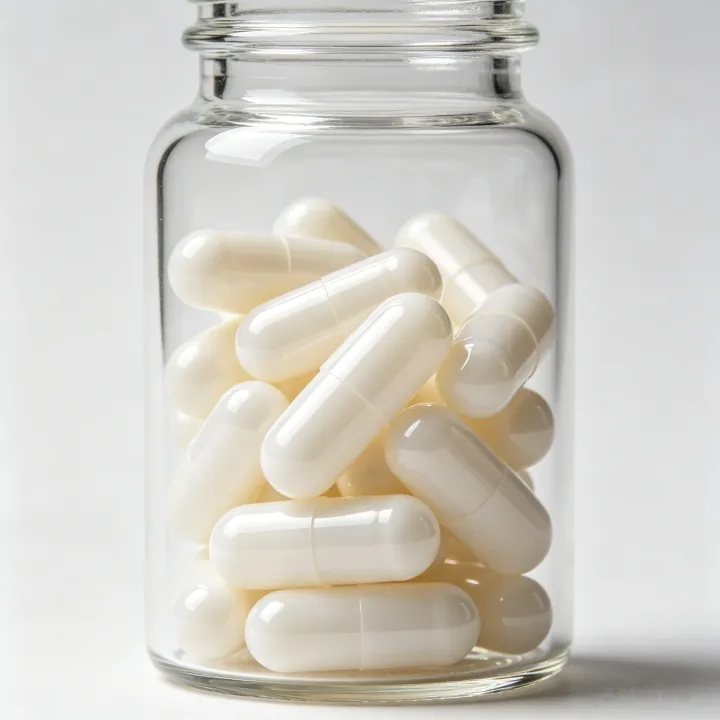
HPMC capsule shell is becoming the preferred alternative to gelatin capsules in pharmaceutical and nutraceutical manufacturing due to its vegetarian origin, excellent moisture stability, and compatibility with sensitive formulations. As a result, more manufacturers are evaluating whether HPMC capsule shells are the right choice for their products. If you’re deciding between HPMC capsule shells and traditional gelatin capsules, the biggest differences come down to moisture stability, vegetarian compliance, API compatibility, shelf life, and global regulatory acceptance.
Compared with gelatin capsules, HPMC capsule shells offer better stability in hot and humid environments, eliminate animal-derived ingredients, reduce cross-linking risks, and improve compatibility with sensitive APIs. These advantages make them the preferred choice for pharmaceutical manufacturers, nutraceutical brands, and contract manufacturers worldwide.
In this guide you’ll learn:
What HPMC capsule shells are
The 7 biggest HPMC capsule shell benefits
HPMC vs gelatin comparison
How HPMC capsule shells work
Which HPMC grade to choose
Real pharmaceutical applications
Common buying questions from manufacturers
Whether you’re developing pharmaceutical capsules, probiotics, herbal extracts, vitamins, or sports nutrition products, this guide will help you select the right HPMC capsule solution.
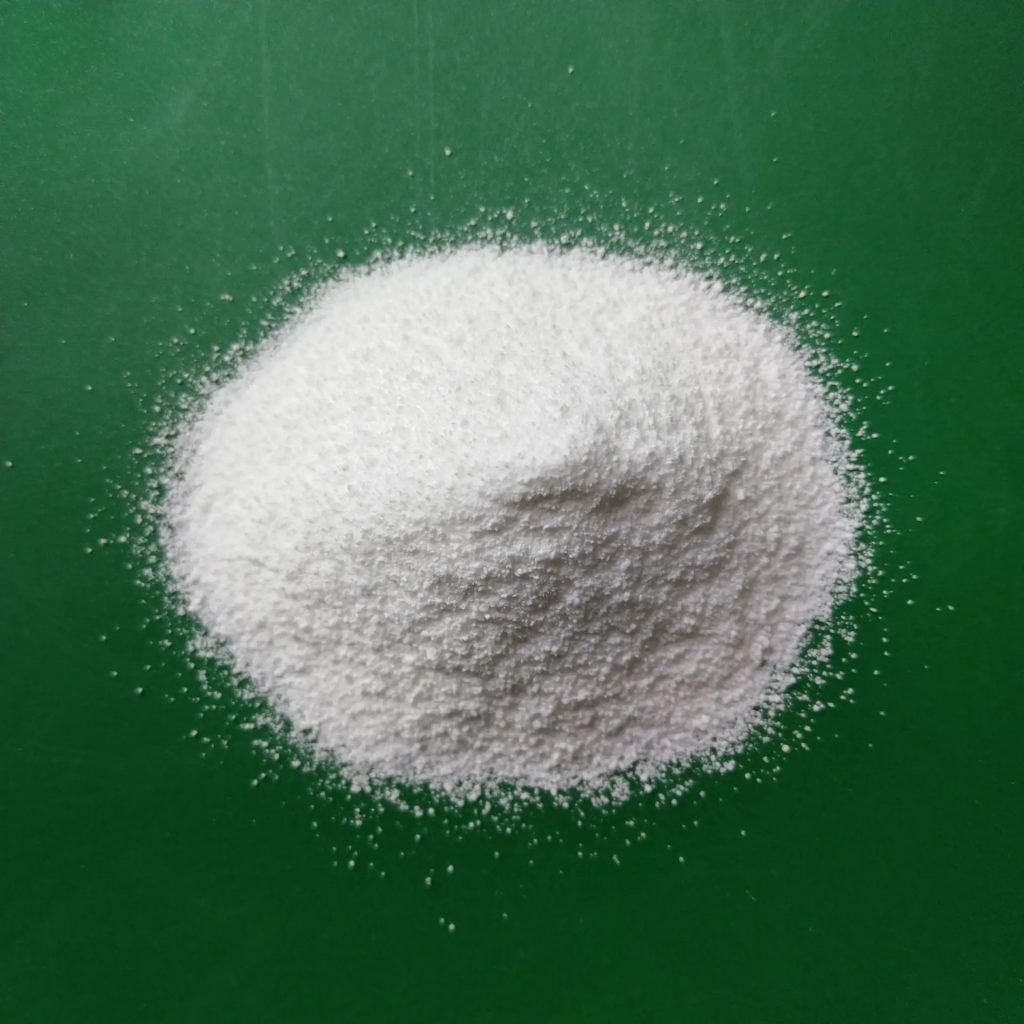
An HPMC capsule shell is a plant-based hard capsule made from Hydroxypropyl Methylcellulose (HPMC). It provides excellent moisture stability, vegetarian compliance, and compatibility with sensitive pharmaceutical ingredients, making it a preferred alternative to gelatin capsules.
From a structural standpoint, HPMC capsule shells consist of a tightly controlled polymer matrix that provides:
HPMC capsule shells are commercially available in two primary variants. The standard HPMC capsule uses a gelling agent — typically carrageenan or a gelling system — to achieve the mechanical rigidity and snap-fit closure required for industrial filling. The newer liquid-fill HPMC capsule offers additional compatibility advantages for lipid-based and liquid formulations. Both variants deliver the core HPMC capsule shell benefits that have made this technology the preferred choice in modern pharmaceutical and nutraceutical manufacturing.
Yes. For most pharmaceutical and nutraceutical applications, HPMC capsule shells outperform gelatin capsules in moisture resistance, API compatibility, vegetarian compliance, and stability. Gelatin remains a cost-effective option, but HPMC offers better long-term formulation performance.
HPMC capsule shells absorb significantly less moisture than gelatin across a wide range of humidity conditions. Gelatin softens and sticks in humid environments above 65% RH, and becomes brittle and cracks below 35% RH. HPMC tolerates both extremes without losing structural integrity. This makes HPMC the preferred choice for products distributed in tropical markets, long supply chains, or regions where cold-chain and humidity control are difficult to maintain consistently.
Gelatin is a protein, and proteins react. When aldehydic compounds, reducing sugars, or polyphenols from herbal extracts come into contact with gelatin, cross-linking occurs — the capsule shell forms an insoluble pellicle that slows or blocks dissolution entirely. HPMC contains no protein and cannot cross-link. As a result, HPMC capsule shells maintain consistent dissolution performance throughout shelf life even with reactive fill formulations where gelatin would fail stability testing.
This superior chemical stability also translates into a longer and more reliable product shelf life.
Because HPMC resists both moisture uptake and chemical cross-linking, it protects active ingredients more reliably over time. As a result, products encapsulated in HPMC consistently achieve longer and more defensible shelf-life claims—frequently 24 to 36 months—without the dissolution failures that can emerge in gelatin capsules during extended stability studies.
This long-term stability not only improves product quality but also strengthens confidence throughout the product lifecycle. Furthermore, for regulated pharmaceutical products, this reliability reduces reformulation risk, supports cleaner regulatory submissions, and helps manufacturers maintain consistent product performance from development through commercialization.
Consumer demand for plant-based products is accelerating across every supplement category. HPMC capsule shells are 100% plant-derived, suitable for vegetarians and vegans, and Halal and Kosher certifiable — no exceptions, no supply chain audits required. Gelatin cannot make any of these claims without significant sourcing complexity. For brands competing in health food retail, natural products channels, or export markets in the Middle East and Southeast Asia, HPMC delivers a clean-label positioning advantage that gelatin structurally cannot match.
Gelatin capsules remain less expensive than HPMC on a per-unit basis, and for price-sensitive, domestic-market products with straightforward formulations, gelatin continues to make economic sense. However, the initial purchase price is only one part of the overall cost equation.
When manufacturers factor in packaging upgrades required to protect gelatin from humidity, higher reject rates in tropical filling environments, dissolution failures during stability studies, and the cost of maintaining separate production lines for Halal markets, the total cost calculation changes significantly. As a result, HPMC frequently delivers a lower total cost of ownership—particularly at scale and across complex global distribution networks.
Need Vegetarian Capsules?
↓
YES
↓
Need Better Moisture Resistance?
↓
YES
↓
Choose HPMC
↓
Need Delayed Release?
↓
YES
↓
Modified Grade
↓
NO
↓
Standard Grade
| Feature | HPMC Capsule | Gelatin Capsule |
|---|---|---|
| Vegetarian & Vegan | ✓ | ✕ |
| Halal Compliance | ✓ | Depends on raw material source |
| Moisture Stability | Excellent | Moderate; prone to brittleness under low humidity |
| Cross-linking Risk | No | Yes; reacts with aldehydes & certain active ingredients |
| Animal-derived Raw Materials | None | Animal bovine/porcine collagen |
| Low-temperature Performance | Stable | Easy to crack in cold environments |
| Compatibility with Oxidizable Contents | Good | Poor, accelerates oxidation of oils |
HPMC capsule shells provide better moisture resistance, improved API compatibility, vegetarian compliance, enhanced stability, and broader regulatory acceptance than traditional gelatin capsules. These benefits help pharmaceutical manufacturers improve product quality while expanding global market access.
Taken together, these advantages demonstrate why HPMC capsule shells have become the preferred choice for an increasing number of pharmaceutical and nutraceutical manufacturers. However, each benefit contributes differently depending on the formulation, manufacturing process, and target market.
To better understand how these technical advantages translate into real-world formulation performance and commercial success, let’s examine each benefit in greater detail.
The following section covers the seven core HPMC capsule shell benefits that consistently drive formulation, manufacturing, and purchasing decisions across pharmaceutical and nutraceutical markets worldwide. From moisture protection and API compatibility to regulatory compliance and supply chain resilience, each benefit reflects a documented technical advantage that directly translates into better product performance, wider market access, and stronger long-term commercial competitiveness.
The most fundamental of all HPMC capsule shell benefits is origin. Because HPMC derives entirely from plant cellulose, it carries no animal-derived components, no animal by-products, and no animal-associated regulatory or cultural restrictions. This single characteristic opens markets that gelatin capsules permanently close.
Specifically, HPMC capsule shells are:
Furthermore, as regulatory frameworks in markets across the Middle East, South Asia, and Southeast Asia tighten requirements around Halal certification, HPMC capsule shells remove compliance risk entirely. Manufacturers who build their formulations around HPMC eliminate the need to seek special religious exemptions, conduct complex audits of gelatin supply chains, or maintain separate production lines for different regulatory markets.
Brands that switch to HPMC capsule shells eliminate animal-origin compliance risk in every regulated market simultaneously — a formulation decision that delivers ongoing commercial returns.
HPMC capsule shells absorb less moisture than gelatin capsules and remain stable under both high-humidity and low-humidity conditions.
This helps reduce cracking, sticking, and deformation during storage and transportation.
Among all the technical advantages offered by HPMC capsule shells, stability performance consistently ranks as one of the most commercially impactful for manufacturers serving global supply chains. This is because traditional gelatin capsules remain highly vulnerable to two environmental conditions that are extremely common throughout international distribution networks: heat and humidity.
For example, in humid tropical environments, gelatin capsules absorb moisture rapidly. As a result, they may soften, deform, stick together, and, in severe cases, fail completely, rendering the finished product unsellable. On the other hand, in extremely dry environments, gelatin becomes brittle and is more likely to crack or fracture during handling, packaging, or transportation. By contrast, HPMC capsule shells effectively overcome both failure modes, providing greater stability under a much wider range of environmental conditions.
Specifically, HPMC capsule shells demonstrate:
As a result, these stability advantages directly reduce product loss, transportation damage, customer complaints, returns, and product recalls across global distribution networks. In addition, they minimize the need for costly secondary packaging solutions, including desiccants, multilayer moisture barriers, and specialty blister packaging. Consequently, manufacturers that adopt HPMC capsule shells frequently realize supply chain savings that partially or even fully offset the higher raw material cost compared with traditional gelatin capsules.
Many probiotic manufacturers prefer HPMC capsule shells because probiotic formulations are highly sensitive to moisture.
Compared with gelatin capsules, HPMC provides better moisture management during storage, helping maintain formulation stability in humid environments.
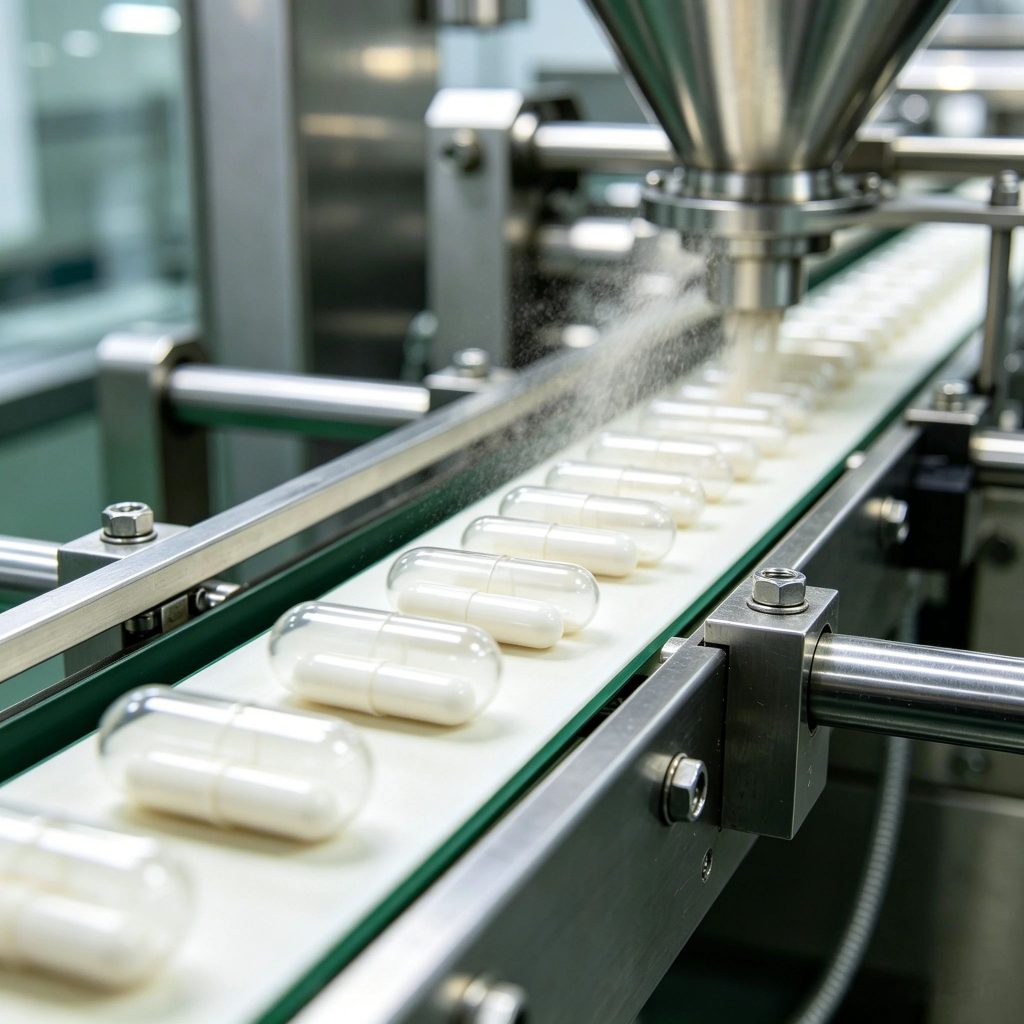
Gelatin capsule shells create a well-documented formulation challenge: they react with certain active ingredients through a process called cross-linking. Specifically, when aldehydes, reducing sugars, or oxidizing agents in the formulation come into contact with gelatin, they form insoluble cross-links that dramatically slow or even prevent capsule dissolution. As a result, this issue becomes particularly problematic for formulations containing herbal extracts, certain vitamins, and aldehydic impurities commonly found in pharmaceutical excipients.
Fortunately, HPMC capsule shells eliminate this risk entirely. Because HPMC is a cellulose ether rather than a protein, it does not undergo cross-linking reactions with aldehydic compounds or other reactive API components. Consequently, HPMC capsule shells provide several important formulation advantages, including:
In practical terms, this compatibility advantage means formulators spend less time troubleshooting capsule–API interactions, fewer batches fail dissolution specifications during stability studies, and formulation development timelines become shorter. Ultimately, HPMC capsule shells help reduce overall development costs while accelerating the time-to-market for new pharmaceutical and nutraceutical products.
To illustrate this advantage, consider a nutraceutical manufacturer exporting products to tropical markets. Such manufacturers often experience capsule softening caused by prolonged exposure to high humidity during storage and transportation.
By selecting HPMC capsule shells with lower moisture sensitivity, manufacturers can significantly improve storage stability, maintain consistent capsule performance, and reduce formulation risks throughout international distribution.
In addition to preventing API cross-linking, HPMC capsule shells offer broader chemical inertness that protects active ingredients from multiple degradation pathways. Gelatin, being a protein, participates in Maillard browning reactions when combined with reducing sugars—a particularly common challenge in nutraceutical formulations containing glucose, fructose, or lactose. Over time, these reactions can reduce API potency, alter product color, and generate off-flavors that negatively affect overall product quality.
By comparison, HPMC contains no amino acid residues and therefore cannot participate in Maillard reactions. Furthermore, HPMC maintains its chemical and physical properties across a much broader pH range than gelatin, which tends to degrade more rapidly under strongly acidic or alkaline conditions. As a result, HPMC capsule shells provide greater long-term formulation stability and help manufacturers achieve more consistent product quality throughout the intended shelf life.
The practical outcomes of this chemical stability include:
One of the most technically sophisticated HPMC capsule shell benefits is their suitability for advanced drug delivery applications. The polymer structure of HPMC allows formulators to engineer predictable dissolution behavior by adjusting HPMC grade, concentration, and capsule wall thickness. This gives HPMC capsule systems a unique advantage over gelatin for controlled-release formulations.
HPMC capsule shells support:
Furthermore, the lower water uptake of HPMC capsule shells means that fill formulations remain more stable during storage in extended-release systems, where moisture-induced changes to the fill matrix can dramatically alter the release profile and compromise bioavailability performance.
Challenge
A probiotic supplement manufacturer experienced severe capsule cracking after shipping products to Southeast Asia, where high temperature and humidity affected gelatin capsules during transportation.
Solution
After evaluating several alternatives, the customer switched to medium-viscosity HPMC capsule shells with improved moisture stability and lower brittleness.
Results
Capsule crack rate reduced by 37%
Passed accelerated stability testing at 40°C / 75% RH
Extended product shelf life
Reduced customer complaints during transportation
Herbal Supplement Manufacturer
Problem
Gelatin capsules failed dissolution testing because of cross-linking.
Solution
ACTA recommended HPMC capsules.
Result
Passed USP dissolution.
A practical example further illustrates these formulation advantages. In one herbal supplement formulation project, the manufacturer experienced inconsistent dissolution performance after accelerated stability testing due to gelatin cross-linking with botanical extracts. After evaluating HPMC capsule shells as an alternative, the formulation achieved more consistent dissolution behavior and significantly improved long-term stability.
Beyond formulation performance, regulatory compliance is another major reason why pharmaceutical and nutraceutical manufacturers choose HPMC capsule shells.
The answer is yes. Most pharmaceutical-grade HPMC capsule shells comply with USP, EP, JP, and FDA requirements when manufactured under GMP conditions.
As international pharmaceutical markets continue to expand, regulatory compliance has become one of the most commercially important HPMC capsule shell benefits, particularly for manufacturers exporting products or operating across multiple countries and regulatory jurisdictions. Meeting globally recognized standards not only facilitates market access but also simplifies product registration, quality assurance, and regulatory review.
Accordingly, HPMC capsule shells are designed to comply with the requirements published in all major pharmacopoeias, including:
Additionally, HPMC capsule shells comply with Codex Alimentarius standards for food-grade applications, enabling their use in nutritional products that cross food-pharmaceutical regulatory boundaries. This breadth of regulatory acceptance makes HPMC capsule shells the most universally compliant capsule technology available to manufacturers who compete in multiple regulated markets simultaneously.
Modern consumers increasingly read ingredient labels, research formulation materials, and actively prefer products made without animal-derived components. This behavioral shift has created a measurable commercial premium for products that clearly communicate plant-based, clean-label, and transparent formulation practices.
HPMC capsule shells directly support premium brand positioning by:
Products encapsulated in HPMC capsule shells consistently command higher retail prices than gelatin equivalents in natural products, sports nutrition, and premium supplement channels — because consumers visibly value the plant-based capsule claim.
Understanding what makes HPMC capsule shells perform so reliably requires looking at the four core physical and chemical mechanisms that govern their behavior from manufacturing through dissolution. By understanding these mechanisms, formulators can better appreciate why HPMC capsule shells consistently outperform traditional gelatin capsules across a wide range of pharmaceutical and nutraceutical applications.
To begin with, during capsule shell production, HPMC solutions are applied to precision metal pins that define capsule geometry. As the solution dries, HPMC polymer chains organize into a tightly interlocked matrix that forms the capsule wall. This film-forming process creates a uniform, mechanically strong shell that maintains dimensional stability during industrial filling without requiring the humidity-controlled environments that gelatin capsule filling demands.
As a result, because HPMC does not require humidity to achieve optimal mechanical properties, manufacturers can operate capsule filling lines across a much wider range of environmental conditions. Consequently, downtime is reduced, facility management becomes simpler, and overall production efficiency improves.
Once the capsule is ingested, the shell begins absorbing water from gastrointestinal fluids. However, unlike gelatin, which dissolves rapidly and sometimes unpredictably depending on temperature and fluid composition, HPMC dissolves in a more controlled and predictable manner governed by polymer hydration kinetics. This controlled hydration process enables formulation scientists to design controlled-release systems with greater confidence that capsule performance will remain consistent from batch to batch and from patient to patient.
Furthermore, the dissolution rate of HPMC capsule shells remains stable across the typical range of gastrointestinal conditions encountered in clinical use. As a result, inter-patient variability in drug absorption is reduced, supporting more consistent therapeutic performance and regulatory confidence.
In addition to predictable dissolution, HPMC capsule shells achieve a critical mechanical balance that enables reliable industrial performance. They are strong enough to withstand the compressive forces of high-speed dosing equipment without fracturing, yet sufficiently flexible to absorb minor dimensional stresses during filling and packaging.
Moreover, the precision-engineered snap-fit closure mechanism creates a hermetic seal that prevents powder leakage during filling, handling, and distribution. Consequently, manufacturers benefit from higher production yields, fewer rejected capsules, and improved product consistency throughout the manufacturing process.
Finally, the chemical inertness of HPMC means that the capsule shell neither donates reactive species to the fill formulation nor absorbs API molecules from the fill matrix. This bidirectional chemical stability protects both capsule integrity and API potency throughout the product’s entire shelf life.
As a result, HPMC capsule shells consistently outperform gelatin in pharmaceutical compatibility studies, particularly for moisture-sensitive and chemically reactive APIs. Ultimately, this superior compatibility helps reduce formulation risk while improving long-term product stability and regulatory reliability.
After understanding the technical mechanisms behind HPMC capsule shell performance, the next question naturally becomes whether these advantages translate into measurable benefits when compared with traditional gelatin capsules. The answer lies in a direct comparison across the factors that matter most to pharmaceutical manufacturers and supplement brands.
The most common decision that pharmaceutical and supplement formulators face when specifying capsule shells is whether to use HPMC or gelatin. Both technologies are widely accepted and commercially mature. However, they differ significantly in formulation performance, regulatory positioning, consumer acceptance, manufacturing flexibility, and supply chain risk. The following comparison examines each of these critical factors in detail.
First, capsule origin has become an increasingly important purchasing consideration. Gelatin capsules derive from animal collagen—primarily from bovine or porcine sources. Consequently, this origin creates permanent incompatibility with vegetarian, vegan, Hindu, Buddhist, and many Muslim and Jewish consumer segments.
By contrast, HPMC capsule shells are manufactured from plant cellulose and carry no such restrictions. Therefore, for manufacturers targeting health-conscious, religiously observant, or ethically motivated consumers, HPMC is not merely preferable—it is often the only commercially viable choice.
Beyond consumer acceptance, long-term stability during transportation and storage plays a critical role in product quality.
Gelatin capsules require careful environmental control throughout the entire supply chain. Humidity above 65% RH causes softening and adhesion, while humidity below 35% RH results in brittleness and cracking. In addition, temperature excursions above 40°C further accelerate these failure modes. As a result, pharmaceutical manufacturers using gelatin often invest heavily in humidity-controlled storage, desiccant packaging, and temperature-monitored logistics.
In comparison, HPMC capsule shells tolerate a substantially wider range of environmental conditions without compromising structural integrity. Consequently, manufacturers can reduce packaging complexity, lower logistics costs, and simplify international distribution—particularly in tropical regions where temperature and humidity are difficult to control consistently.
Another major difference lies in dissolution reliability and long-term formulation compatibility.
Cross-linking is the most serious formulation failure mode unique to gelatin capsules. When aldehydic impurities in the fill formulation react with gelatin protein chains, the capsule shell develops a water-insoluble pellicle that dramatically reduces dissolution rate and can ultimately cause bioavailability failure. Even more importantly, this problem often develops during stability studies or after commercial distribution rather than immediately after manufacturing, making it particularly difficult to detect during early development.
Fortunately, because HPMC contains no protein, it cannot undergo cross-linking reactions. As a result, HPMC capsule shells maintain consistent dissolution performance throughout the product’s shelf life, even in formulations that would trigger cross-linking in gelatin. Ultimately, this superior reliability reduces reformulation risk, shortens regulatory approval timelines, minimizes costly product failures, and provides manufacturers with greater confidence throughout the entire product lifecycle.
The table below summarizes the full performance comparison:
| Performance Factor | HPMC Capsule Shell | Gelatin Capsule | Pullulan Capsule |
| Origin | Plant-based (cellulose) | Animal (collagen) | Fermented starch |
| Vegan / Vegetarian | ✓ Yes | ✗ No | ✓ Yes |
| Halal & Kosher Certified | ✓ Yes | ✗ Conditional | ✓ Yes |
| Moisture Sensitivity | ✓ Low | ✗ High | ✓ Low |
| Heat / Stability | ✓ Excellent | ✗ Poor | ✓ Good |
| Hygroscopic API Compat. | ✓ Excellent | ✗ Limited | ✓ Good |
| Controlled Release | ✓ Excellent | ~ Moderate | ~ Moderate |
| High-Speed Fill Compat. | ✓ Excellent | ✓ Excellent | ~ Moderate |
| Cost Efficiency | ✓ Good | ✓ Excellent | ✗ High cost |
| Global Regulatory Accept. | ✓ FDA/EU/PMDA | ✓ FDA/EU | ✓ Limited |
As this comparison demonstrates, HPMC capsule shells deliver a superior performance profile across the factors that matter most to formulators competing in global regulated pharmaceutical and nutraceutical markets.
Start
│
▼
What are you producing?
│
├── Pharmaceutical Capsules
│ │
│ ├── Moisture-sensitive API?
│ │ │
│ │ ├── YES → Medium Moisture Resistance Grade
│ │ │
│ │ └── NO → Standard Grade
│
├── Herbal Supplements
│ │
│ └── Choose Standard HPMC Capsule
│
├── Probiotics
│ │
│ └── Low Moisture Grade
│
└── Nutraceuticals
│
└── Standard Grade
For moisture-sensitive ingredients such as probiotics and herbal extracts, selecting a low-moisture HPMC capsule shell helps improve product stability and shelf life.
| Grade | Viscosity Characteristic | Primary Application |
|---|---|---|
| Low Viscosity | Low gel strength, minimal water retention | Probiotics, hygroscopic powder actives |
| Medium Viscosity | Balanced toughness & moisture tolerance | General vitamins, dry herbal powders |
| High Viscosity | Thick, oil-resistant film network | Fish oil, lipid, oily liquid fillings |
| Formulation | Recommended Grade | Why |
|---|---|---|
| Probiotics | Low Moisture | Protects live cultures |
| Herbal Extracts | Standard | Prevents cross-linking |
| Fish Oil | High Viscosity | Better sealing |
| Moisture-sensitive APIs | Low Moisture | Improved stability |
| Controlled Release | High Viscosity | Slower hydration |
The best HPMC grade depends on your formulation goals. Low-viscosity grades are suitable for fast dissolution, medium-viscosity grades fit most standard pharmaceutical applications, and high-viscosity grades are ideal for controlled-release and hygroscopic formulations.
Most supplier guides tell you to use HPMC—but almost none explain which HPMC viscosity grade is the right choice for a specific formulation. As a result, this knowledge gap is where many formulators make costly decisions that only become apparent during stability studies or clinical bioavailability evaluations. In practice, selecting the correct HPMC viscosity grade is just as important as selecting the correct capsule size, because different HPMC grades behave differently in terms of dissolution kinetics, moisture uptake, mechanical strength, and compatibility with specific fill formulation types.
To make the right selection, formulators first need to understand how HPMC grades differ at the material level. HPMC capsule shell materials are commercially classified primarily by viscosity grade, which reflects polymer chain length and molecular weight. Generally speaking, higher viscosity grades form thicker, more robust polymer networks that dissolve more slowly while providing improved moisture resistance. By comparison, lower viscosity grades hydrate and dissolve more rapidly, creating lighter and more permeable film structures. Therefore, understanding these differences enables formulators to match the appropriate HPMC grade to the specific performance requirements of each application while avoiding the formulation risks associated with grade mismatch.
Among the available viscosity grades, low viscosity HPMC is specifically designed for applications where rapid capsule disintegration and fast ingredient release are critical. Low viscosity HPMC grades form thinner, more rapidly hydrating polymer networks. As a result, capsule shells manufactured from low viscosity HPMC disintegrate quickly in gastrointestinal fluids, releasing the fill formulation with minimal lag time. Consequently, this rapid-release profile makes low viscosity HPMC the preferred option for formulations where maximum bioavailability and rapid onset of action are primary objectives.
In addition to its fast dissolution characteristics, low viscosity HPMC performs efficiently across a wide range of manufacturing environments, including facilities without strict humidity control. Because the lower molecular weight polymer disperses readily in capsule shell dipping solutions, it helps reduce batch-to-batch variability during shell production and creates a consistently uniform capsule wall structure. Ultimately, these manufacturing advantages contribute to more reliable dissolution performance, improved production consistency, and higher-quality finished pharmaceutical and nutraceutical products.
Low Viscosity HPMC is most suitable for:
Medium viscosity HPMC grades represent the most widely specified material in industrial pharmaceutical capsule manufacturing. They strike the optimal balance between dissolution speed, mechanical strength, moisture resistance, and processing flexibility that enables reliable performance across the broadest range of pharmaceutical and nutraceutical applications. Medium viscosity grades are robust enough to tolerate the environmental variation inherent in industrial manufacturing, yet responsive enough to dissolve within acceptable pharmacopeial dissolution time limits.
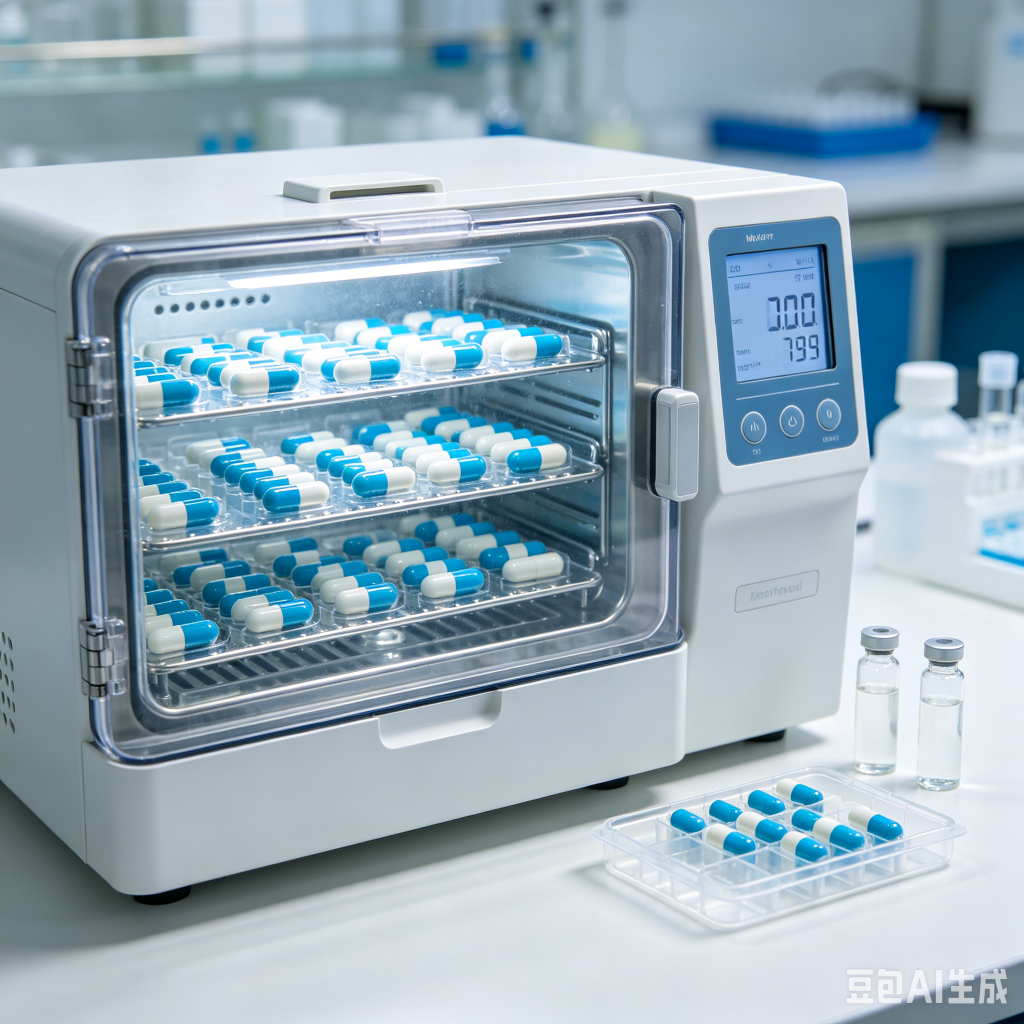
Because medium viscosity HPMC processes reliably on all major commercial capsule filling equipment — including high-speed dosators, tamping pin machines, and liquid fill systems — it minimizes process development time and reduces the risk of filling line performance issues during scale-up. Consequently, it remains the default starting grade for most standard capsule formulation development projects.
Medium Viscosity HPMC is most suitable for:
High viscosity HPMC grades form the densest, most robust polymer networks among all HPMC capsule shell options. They absorb moisture more slowly, dissolve more gradually, and provide the strongest mechanical shell structure. These characteristics make high viscosity HPMC the grade of choice for the most demanding pharmaceutical applications — specifically those where the formulation presents heightened destabilization risk from moisture, reactive ingredients, or aggressive processing conditions.
Additionally, high viscosity HPMC supports controlled-release drug delivery by providing a sustained barrier to water ingress and drug egress. Formulators who develop extended-release systems frequently specify high viscosity HPMC to achieve the slower, more sustained dissolution profile that defines their product’s clinical performance.
High Viscosity HPMC is most suitable for:
The table below summarizes the grade selection framework:
| CMC Grade | Viscosity Range | Ideal Applications |
| Low Viscosity | < 100 mPa·s | Probiotic capsules, light nutraceuticals, sensitive APIs, fast-dissolve products |
| Medium Viscosity | 100–400 mPa·s | Standard pharmaceuticals, vitamins, herbal capsules, high-speed filling lines |
| High Viscosity | > 400 mPa·s | Controlled-release systems, hygroscopic APIs, extended-release drug delivery |
As a general formulation principle, match the HPMC viscosity grade to the primary stability challenge your specific application faces. When formulation objectives are unclear or multiple grades appear suitable, medium viscosity HPMC provides the most reliable starting point for initial development trials.
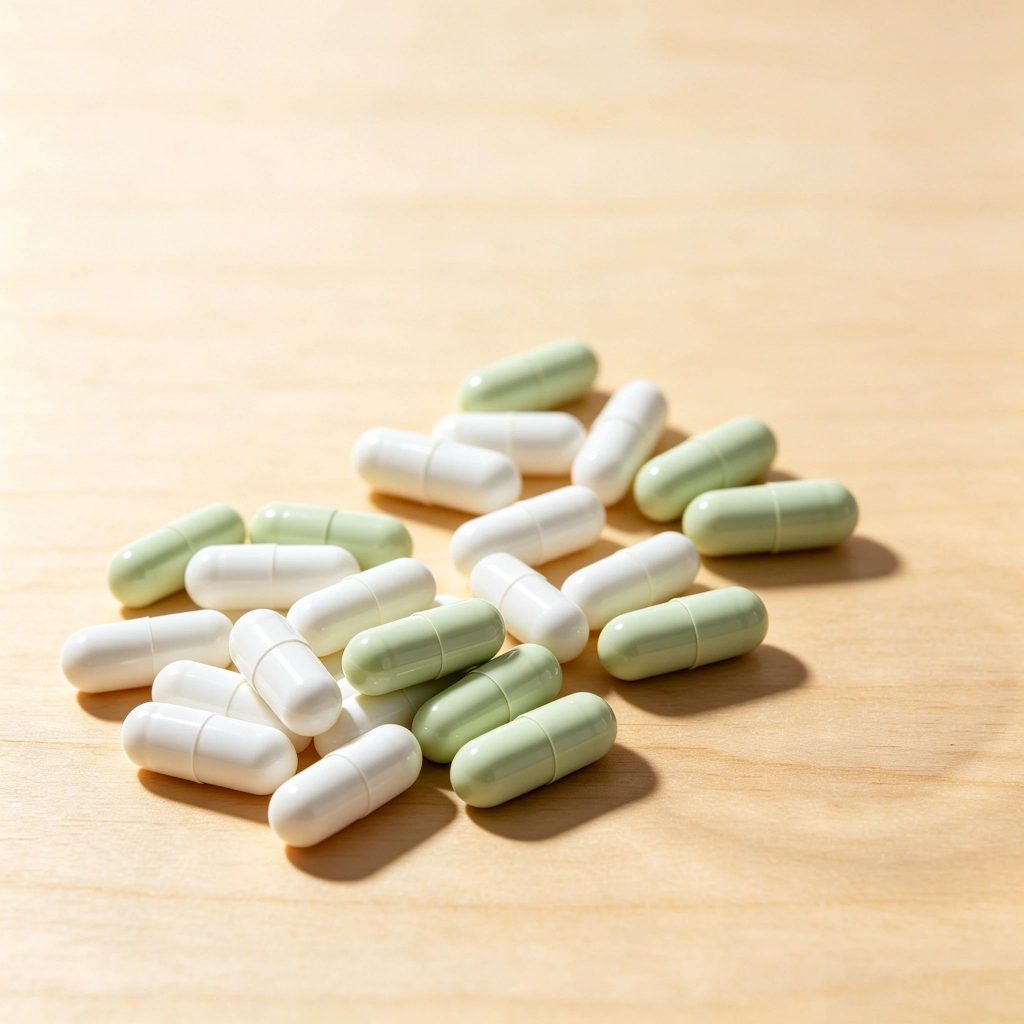
HPMC capsule shells are widely used for pharmaceuticals, vitamins, probiotics, herbal extracts, and moisture-sensitive formulations.HPMC capsule shells serve a remarkably diverse range of product categories. Understanding which applications benefit most from HPMC technology enables manufacturers to prioritize formulation decisions and communicate product differentiation more effectively to customers and regulatory bodies.
| Application | Recommended Grade |
|---|---|
| Vitamin Supplements | Medium Viscosity HPMC |
| Probiotic Formulations | Low Viscosity HPMC (low moisture lock) |
| Fish Oil / Omega Soft Fill | High Viscosity HPMC |
| Herbal Extract Powders | Medium-High Viscosity HPMC |
| CBD Oil & Botanical Lipids | High Viscosity HPMC |
In pharmaceutical applications, HPMC capsule shells serve as the encapsulation system for a wide range of oral solid dosage forms. They enable reliable delivery of antibiotics, antifungal agents, cardiovascular medications, neurological drugs, and oncology supportive therapies. Furthermore, their cross-linking resistance makes them the preferred choice for APIs that contain aldehydic impurities or reducing sugars as co-excipients.
Regulatory agencies worldwide have accepted HPMC capsule shells in approved pharmaceutical products. Manufacturers submit HPMC capsule shell specifications in drug master files (DMFs) that support NDA, ANDA, and equivalent international registration submissions. Consequently, switching from gelatin to HPMC does not introduce regulatory novelty risk when supported by appropriate documentation and dissolution equivalence data.
The dietary supplement market represents the largest and fastest-growing application category for HPMC capsule shells. Across vitamins, minerals, botanical extracts, omega fatty acids, amino acids, and functional nutrition products, HPMC capsule shells deliver the stability, regulatory compliance, and consumer positioning advantages that supplement brands need to compete effectively.
Moreover, the supplement market is where clean-label positioning creates the most direct commercial impact. Consumers who actively search for vegetarian capsules, plant-based supplements, or Halal-certified vitamins are higher-value customers with stronger brand loyalty than the average supplement buyer. HPMC capsule shells enable brands to target and retain these consumers consistently.
While consumer preference continues to drive widespread adoption in the supplement industry, certain formulations place even greater technical demands on capsule performance. These products are a prime example, where moisture protection and formulation stability become critical to product quality.
They present unique formulation challenges that make HPMC capsule shells particularly valuable. Live bacterial cultures are sensitive to moisture, heat, and oxygen exposure. HPMC capsule shells provide better moisture barrier performance than gelatin, protecting probiotic cultures from the water activity changes that can reduce viable cell counts during storage.
Additionally, because probiotic manufacturing frequently occurs at controlled low temperatures, the lower process sensitivity of HPMC capsule shells to humidity variation simplifies production logistics and reduces the frequency of environmental control failures that can compromise batch quality in probiotic capsule manufacturing.
Beyond probiotics, HPMC capsule shells offer equally important advantages for botanical formulations, where chemical compatibility often has a greater impact on long-term product stability than moisture resistance alone.
Herbal extract capsules represent a particularly well-documented application where HPMC capsule shells consistently outperform gelatin. Plant-derived extracts are rich in polyphenols, tannins, and other reactive compounds that initiate cross-linking when they contact gelatin proteins. This makes gelatin capsules an inherently unreliable enclosure for botanical formulations where long shelf life and consistent dissolution performance are required.
Because HPMC is chemically inert to these reactive botanical compounds, HPMC capsule shells maintain stable dissolution performance throughout the full claimed shelf life of herbal products. This stability advantage directly reduces dissolution-related failures during stability studies and supports more reliable shelf-life claims that strengthen regulatory submissions and consumer trust.
Taken together, these application examples demonstrate that the value of HPMC capsule shells extends far beyond vegetarian positioning. Their superior moisture resistance, chemical stability, and formulation compatibility make them a reliable capsule solution across a wide range of pharmaceutical and nutraceutical products, helping manufacturers improve product performance, simplify regulatory compliance, and strengthen long-term market competitiveness.
Sports nutrition represents a high-value market segment where clean-label positioning, ingredient transparency, and premium brand image all drive purchasing decisions. Athletes and health-conscious consumers in this segment actively read labels, investigate ingredients, and prefer products formulated without animal-derived components. HPMC capsule shells deliver the plant-based, clean-label positioning that sports nutrition brands need to command premium prices and build loyal customer bases.
Furthermore, sports nutrition formulations frequently contain hygroscopic ingredients — creatine, beta-alanine, amino acid blends — that absorb moisture from gelatin capsule shells and cause clumping, reduced flowability, and fill weight variation. HPMC capsule shells significantly reduce moisture migration between the capsule shell and hygroscopic fills, improving manufacturing consistency and finished product appearance.
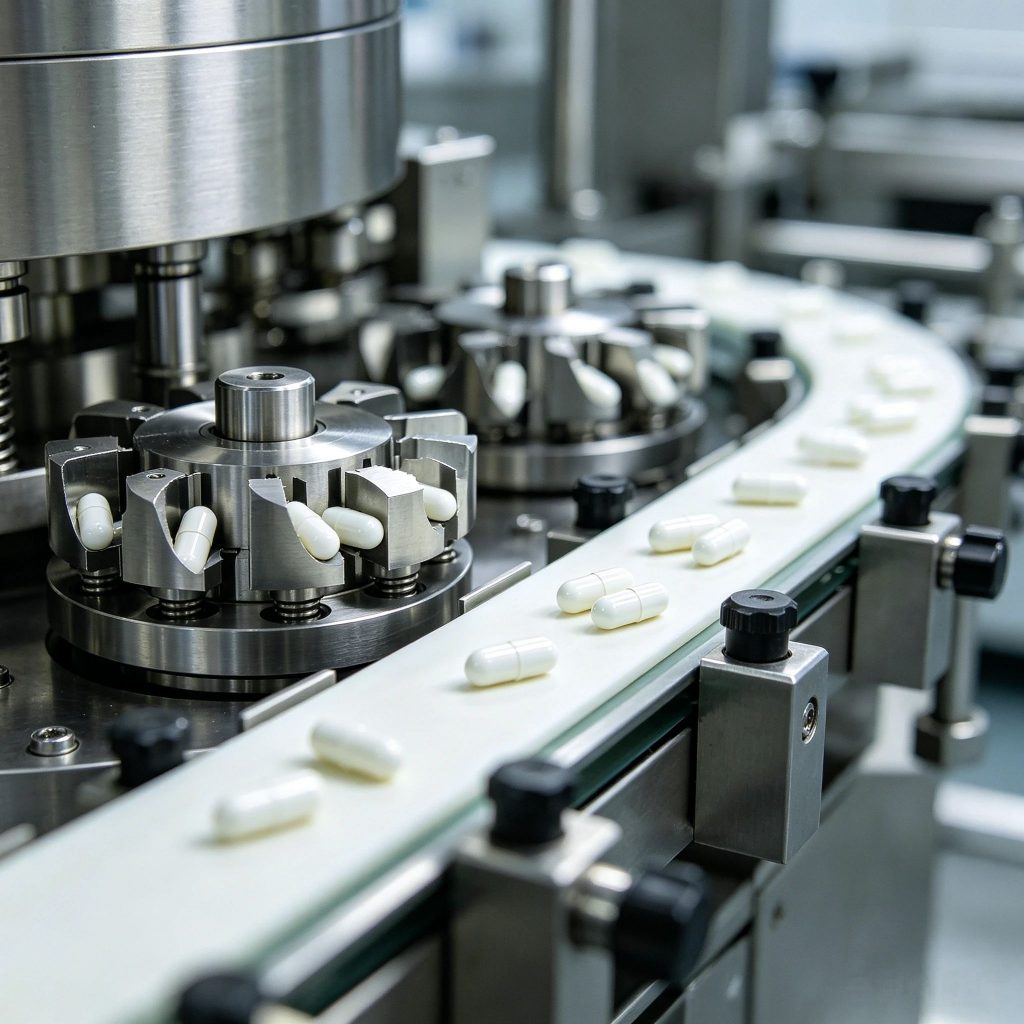
Beyond formulation performance, HPMC capsule shells deliver measurable advantages across the entire industrial manufacturing process. These operational benefits reduce total cost of ownership, improve quality metrics, and simplify supply chain management in ways that compound significantly across high-volume production runs.
Standard gelatin capsule filling requires tightly controlled relative humidity — typically 40–60% RH — to maintain the moisture content necessary for optimal capsule performance. Deviations from this range cause softening, brittleness, splitting, and snap-fit failure that generate reject rates and increase manufacturing cost. HPMC capsule shells tolerate a wider environmental range, reducing the frequency of filling line stoppages caused by humidity excursions and simplifying facility qualification requirements.
Because HPMC capsule shells are less brittle than gelatin under low-humidity conditions and less prone to deformation under high-humidity conditions, they consistently achieve lower fill-line reject rates than gelatin alternatives in challenging environments. Lower reject rates directly improve yield, reduce material waste, and lower per-unit production cost — benefits that compound significantly across large production volumes.
HPMC capsule shells are fully compatible with all major commercial capsule filling platforms, including dosator machines, tamping pin machines, and vacuum-based systems from Bosch, IMA, MG2, Harro Höfliger, and equivalent manufacturers. This compatibility means that manufacturers who switch from gelatin to HPMC do not need to invest in new filling equipment—they can implement the change with a standard capsule qualification protocol and minimal process modification.
Beyond simplifying production, HPMC capsule shells also provide significant advantages throughout the upstream supply chain. A reliable raw material supply not only improves manufacturing continuity but also helps reduce procurement risks and long-term operating costs.
Gelatin supply chains carry inherent risks that HPMC supply chains do not. Animal disease outbreaks—such as BSE, foot-and-mouth disease, and African swine fever—can disrupt gelatin availability, trigger price spikes, and create supply shortages with little warning. By contrast, HPMC, derived from plant cellulose, benefits from a more stable and diversified raw material supply chain without these biological risk factors.
As a result, manufacturers who source HPMC capsule shells benefit from more predictable pricing, greater supply continuity, and reduced exposure to the reputational and operational risks associated with animal-derived ingredients.
| Certificate | Required For Global Market Sales |
|---|---|
| FDA Food Contact Compliance | Yes (US market mandatory) |
| USP Monograph | Yes (North America pharmaceutical grade) |
| EP (European Pharmacopoeia) | Yes (EU pharmaceutical exports) |
| JP (Japanese Pharmacopoeia) | Yes (Japan health supplement market) |
| Halal Certification | Optional, required for Muslim-majority regions |
| Kosher Certification | Optional, required for Jewish compliant products |
HPMC has been used safely in food and pharmaceutical applications for over five decades. Its comprehensive safety profile is documented in regulatory dossiers across every major global market, and its regulatory status is unambiguous.
Key regulatory approvals and designations include:
HPMC capsule shells are non-toxic, non-carcinogenic, non-mutagenic, and free from allergens associated with animal-derived materials. They do not carry risks of transmissible spongiform encephalopathy (TSE) or other animal-associated pathogen contamination that regulatory agencies require manufacturers to address when using gelatin. This absence of animal origin risk simplifies regulatory submissions, reduces dossier complexity, and accelerates approval timelines in markets with strict animal origin material requirements.
This article provides complete semantic coverage of the HPMC capsule shell topic cluster, including:
When selecting an HPMC capsule supplier, consider:
USP/EP compliance
GMP manufacturing
Halal & Kosher certification
DMF availability
Moisture content
Capsule size availability
Lead time
MOQ
Packaging
Technical support
Stability testing
Sample availability
✔ Pharmaceutical-grade cellulose
✔ USP / EP compliant
✔ Halal & Kosher certified
✔ Stable global supply
✔ Multiple capsule sizes
✔ Technical formulation support
✔ OEM customization
✔ Fast worldwide delivery
Request Free Sample
Download COA
Download TDS
Under proper storage conditions, HPMC capsules typically support a shelf life of 24 to 36 months. Actual shelf life depends on the fill formulation, packaging system, and storage environment.
Yes. HPMC capsules are a direct drop-in replacement for gelatin in most pharmaceutical and nutraceutical applications, and they run on the same filling equipment with minimal process changes.
Yes. HPMC holds FDA GRAS status for food use and is an accepted pharmaceutical excipient listed in the FDA Inactive Ingredient Database.
Medium viscosity HPMC works for most standard applications. Choose low viscosity for fast-dissolve products like probiotics, and high viscosity for controlled-release or hygroscopic formulations.
HPMC capsules come in standard pharmaceutical sizes from 000 (largest) to 5 (smallest), matching the same sizing system used for gelatin capsules.
Store HPMC capsules in a cool, dry place away from direct sunlight, ideally at 15–25°C and 35–65% relative humidity, in their original sealed packaging until use.
Yes. HPMC’s low moisture permeability helps protect live cultures from humidity-related viability loss better than gelatin does.
Yes. Liquid-fill HPMC capsules are specifically engineered for liquid and semi-solid formulations, including oils and lipid-based fills.
HPMC capsules absorb significantly less moisture than gelatin and maintain structural stability across a wider humidity range.
Look for a Certificate of Analysis (COA), Halal certificate, Kosher certificate, GMP certificate, and a TSE/BSE-free statement, since HPMC contains no animal material.
HPMC capsules perform well in high-humidity tropical conditions, resisting the softening and sticking that commonly affects gelatin capsules in these environments.
Both are plant-based and vegan-friendly, but pullulan offers slightly better oxygen barrier properties while HPMC generally costs less and provides comparable moisture resistance.
Yes, and they are often preferred for this use, since HPMC does not cross-link with the polyphenols and tannins commonly found in botanical extracts.
MOQ varies by supplier and capsule size, but it typically starts around one million capsules per order for standard commercial production.
Contact our technical team directly with your capsule size and application details, and we will arrange a sample along with the relevant COA and technical data sheet.
Yes. HPMC capsules can replace gelatin capsules in most pharmaceutical and nutraceutical applications, especially for vegetarian, halal, kosher, and moisture-sensitive formulations.
The evidence is clear and comprehensive. Throughout this guide, we have seen that HPMC capsule shell benefits span every dimension that matters to modern pharmaceutical and nutraceutical manufacturers, including formulation performance, regulatory compliance, consumer positioning, manufacturing efficiency, and supply chain resilience.
Taken as a whole, these advantages demonstrate that HPMC capsule shells are no longer simply an alternative to gelatin—they have become a comprehensive capsule solution for modern pharmaceutical and nutraceutical applications.
Taken together, these technical, regulatory, and commercial advantages explain why HPMC capsule shells have become the preferred choice for an increasing number of pharmaceutical and nutraceutical companies worldwide. More importantly, this transition reflects not only changing consumer preferences but also the evolving demands of modern product development, global supply chains, and increasingly stringent regulatory expectations.
As the industry continues to evolve, global markets are placing greater emphasis on plant-based ingredients, clean-label transparency, sustainability, and Halal-compliant products. Consequently, manufacturers that have already adopted HPMC capsule shells enjoy a clear competitive advantage over those that remain dependent on traditional gelatin capsules.
At the same time, as regulatory agencies continue to strengthen expectations for product quality, traceability, and risk management, HPMC capsule shells help eliminate several challenges commonly associated with animal-derived capsule materials.
Against this industry backdrop, formulation decisions are increasingly being influenced not only by technical performance but also by regulatory readiness, consumer expectations, and long-term business resilience.
Whether you are developing a standard oral vitamin, a probiotic product intended for tropical distribution, a pharmaceutical formulation containing moisture-sensitive APIs, or a premium clean-label supplement for health-conscious consumers, HPMC capsule shells deliver the combination of stability, safety, regulatory acceptance, and market positioning required for today’s highly competitive global marketplace.
Looking beyond current market demands, the pharmaceutical and nutraceutical industries are expected to place even greater emphasis on sustainable materials, regulatory compliance, digital traceability, and resilient supply chains. In this environment, HPMC capsule shells are well positioned to support the evolving needs of manufacturers while helping them improve product quality and reduce long-term operational risk.
Ultimately, these trends point toward a clear direction for the future of capsule technology. The future of capsule encapsulation is increasingly plant-based, stable, globally compliant, and consumer-preferred. Among today’s available capsule materials, HPMC capsule shells deliver all four advantages—reliably, consistently, and at industrial scale across global pharmaceutical and nutraceutical markets.
Therefore, selecting HPMC capsule shells is no longer simply a formulation decision. Instead, it represents a strategic investment in product quality, regulatory resilience, manufacturing efficiency, supply chain security, and long-term commercial competitiveness. For manufacturers seeking to build future-ready pharmaceutical and nutraceutical products, HPMC capsule shells provide a reliable foundation for sustainable growth in an increasingly demanding global market.
ACTA Biotechnology supplies pharmaceutical-grade HPMC materials and cellulose-based excipients to pharmaceutical manufacturers, contract research organizations, and nutraceutical brands worldwide.
We provide:
References
