

MCC uses in food have expanded rapidly as food manufacturers seek clean-label ingredients that improve texture, suspension stability, fat replacement, and processing performance. It plays an important role in food stabilization systems by improving texture, suspension stability, mouthfeel, water management, and fat replacement performance.
Quick Answer
| Question | Answer |
| What is MCC? | A purified, plant-derived cellulose ingredient |
| E Number | E460 |
| Main functions | Texture modification, stabilization, suspension, fat replacement |
| Common applications | Dairy, beverages, bakery, sauces, nutritional powders, plant-based food |
| Safety status | Recognized as safe by FDA, EFSA, and JECFA |
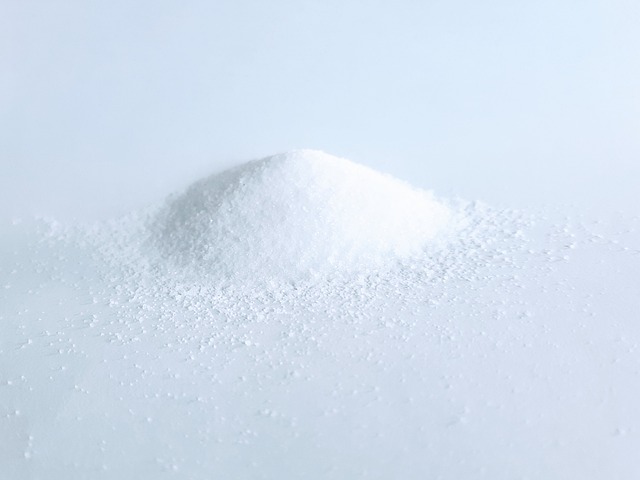
Food-grade microcrystalline cellulose (MCC), classified as food additive E460(i), is a purified plant-derived cellulose and a multifunctional functional ingredient widely used in modern food formulation.Among the functional ingredients developed to solve these problems, Microcrystalline Cellulose (MCC) has become one of the most widely used cellulose-based ingredients in food manufacturing, prized for its ability to improve structure, suspension stability, mouthfeel, and processing performance. Indeed, food grade microcrystalline cellulose (MCC), also known as MCC E460, has become a widely used functional ingredient in modern food manufacturing due to its ability to improve texture, stability, suspension and mouthfeel. From a food science perspective, MCC belongs to the broader family of cellulose-based functional ingredients. Unlike soluble hydrocolloids that mainly increase viscosity, MCC contributes to food stabilization systems through physical particle network formation, making it valuable in dairy products, beverages, sauces, bakery products, and plant-based formulations.
Microcrystalline cellulose (MCC), also known as E460(i), is a purified cellulose ingredient derived from plant sources. As such, it is widely used as a functional ingredient in modern food manufacturing, primarily because it improves texture, suspension stability, and mouthfeel, while also enabling fat replacement and enhancing overall processing performance.
MCC, listed under the food additive code E460(i), functions as a:
Unlike conventional hydrocolloids that mainly increase viscosity, MCC forms a three-dimensional cellulose particle network. Consequently, this network not only helps distribute water evenly and stabilize dispersed ingredients, but also improves mouthfeel and creates a smoother texture without excessive thickening.
Furthermore, in many formulations, MCC is combined with other hydrocolloids such as xanthan gum, carboxymethyl cellulose (CMC), carrageenan, guar gum, pectin, and modified starch to build balanced food stabilization systems.
In this way, rather than replacing these ingredients, MCC complements them by providing structural support, while hydrocolloids primarily control viscosity.
Today, MCC uses in food cover a wide range of applications, including:
Selecting the right MCC grade requires more than regulatory compliance; indeed, manufacturers must also evaluate particle size, crystallinity, dispersion behavior, compatibility with other ingredients, and processing conditions to achieve the desired texture and stability.
This guide explains:
Microcrystalline cellulose (MCC) is commonly used as:
Microcrystalline Cellulose is primarily used to improve the physical properties of food products rather than to provide flavor or nutritional value. Its unique particle structure allows manufacturers to solve several common formulation challenges.
| Food Manufacturing Challenge | How MCC Helps | Typical Applications |
| Poor suspension stability | Creates a protective particle network that reduces sedimentation | Protein drinks, beverages |
| Weak texture after fat reduction | Provides creamy mouthfeel and body | Ice cream, sauces |
| Ingredient separation | Improves dispersion stability | Dairy drinks, dressings |
| Powder flow problems | Improves flow and reduces caking | Nutritional powders, instant drinks |
| Low product body | Adds structure without excessive viscosity | Bakery fillings, processed foods |
| Need for clean-label ingredients | Plant-derived cellulose ingredient | Modern food formulations |
A common misconception is that MCC is simply another thickening agent. In practice, however, MCC works quite differently from many hydrocolloids. Specifically, traditional gums such as xanthan gum or guar gum mainly increase the viscosity of the continuous water phase; in contrast, MCC — especially in colloidal systems — creates a physical network structure that stabilizes particles and improves texture without producing excessive gumminess.
This functional distinction makes MCC particularly valuable when manufacturers need creamy texture without high fat content, stable suspension without heavy viscosity, improved mouthfeel without altering flavor, better processing performance, and consistent quality throughout storage. For example, in a reduced‑fat ice cream formulation, removing fat often causes a loss of creaminess; however, MCC can help recreate part of that original sensory experience by improving body, smoothness, and melt characteristics. Similarly, in protein beverages, MCC helps maintain particle suspension and reduces sedimentation, especially in formulations with high protein levels or mineral fortification. Thus, MCC proves to be a multifunctional tool that goes far beyond simple thickening — it is a structural enhancer that solves multiple formulation challenges at once.
1. Texture Modification — MCC improves creaminess, smoothness, body, and mouthfeel, making it especially useful in dairy alternatives, ice cream, and reduced-fat products.
2. Stabilization — MCC helps maintain a uniform distribution of ingredients by forming a stable network, which is valuable in protein drinks, milk beverages, and nutritional shakes.
3. Fat Replacement — By improving lubricity, creamy perception, and product body, MCC can partially replace fat in low-fat dairy, mayonnaise-style products, and sauces.
4. Suspension Improvement — Because MCC particles can form a weak, gel-like structure, they help suspend protein particles, cocoa particles, vitamins, and minerals.
5. Powder Processing Improvement — In dry food products, MCC can improve flowability, dispersion, and handling performance in instant beverage powders, nutrition powders, and seasonings.
In commercial food development, selecting MCC is never as simple as choosing “food‑grade MCC.” Indeed, different applications call for different characteristics. For example, a beverage manufacturer focused on suspension stability typically prioritizes smaller particle size, better dispersion, and colloidal stability, whereas an ice cream manufacturer focuses more on water‑binding ability, creamy mouthfeel, and fat‑replacement performance. Furthermore, during formulation trials, developers typically evaluate MCC alongside hydrocolloids, proteins, starches, and emulsifiers, since the final performance depends on how the MCC grade interacts with the complete formulation system. Consequently, this is why experienced MCC suppliers provide not just product, but also technical support for application development.
| Application | Main MCC Function | Key Benefit |
| Ice Cream | Fat replacement, texture improvement | Creamier mouthfeel |
| Yogurt | Stabilization | Reduced separation |
| Protein Drinks | Suspension aid | Less sedimentation |
| Plant-Based Milk | Texture enhancement | Better sensory experience |
| Sauces | Body improvement | Stable viscosity |
| Bakery Filling | Structure control | Better consistency |
| Nutrition Powder | Flow improvement | Better handling |
| Instant Drinks | Dispersion support | Faster mixing |
Need help selecting the right MCC uses in food solution?? Contact our technical team for application recommendations and sample evaluation.
Why Do Food Manufacturers Use MCC?
First of all, food manufacturers use MCC because it improves texture, suspension, stability, and mouthfeel while supporting clean‑label and reduced‑fat formulations. In fact, unlike traditional hydrocolloids that mainly increase viscosity, MCC forms a particle network that enhances food structure without excessive thickness.
At the same time, the global food industry is contending with several formulation pressures at once: consumers demanding cleaner labels with fewer artificial ingredients; manufacturers needing lower‑fat and lower‑calorie products without sacrificing taste; beverage producers requiring better suspension stability for protein, minerals, and functional ingredients; plant‑based food manufacturers needing improved texture and mouthfeel; and food companies needing to maintain consistent quality while controlling production costs.
Consequently, these pressures have increased demand for multifunctional ingredients. Specifically, MCC has become an important solution precisely because it does not perform only one function — it combines texture control, stabilization, fat‑reduction support, and processing improvement. For manufacturers, this means one functional ingredient can deliver multiple formulation benefits and, ultimately, better product performance.
First and foremost, texture is one of the most important factors in consumer acceptance — a product can have excellent nutrition but poor mouthfeel and still be rejected. Specifically, MCC improves texture by creating a fine particle network that interacts with water and other ingredients, helping provide a creamier sensation, smoother texture, better body, improved consistency, and reduced watery perception. This is especially useful in ice cream, yogurt, dairy alternatives, sauces, and low‑fat products. For example, when manufacturers reduce fat content in ice cream, the product often loses creaminess, lubricity, and rich mouthfeel; however, MCC can partially compensate for this loss by improving the physical structure of the formulation.
Secondly, food stability is a major challenge, especially in products containing suspended particles such as protein, cocoa, vitamins, minerals, or plant‑based ingredients. Without proper stabilization, products may show sedimentation, phase separation, uneven texture, and shorter shelf stability. In contrast, MCC helps create a stable three‑dimensional network that keeps particles evenly distributed — as a result, this is particularly valuable in protein beverages, nutritional drinks, chocolate milk, and plant‑based beverages.
Thirdly, MCC also plays a key role in fat replacement and calorie reduction. By building structure and providing a creamy mouthfeel without adding fat, MCC enables manufacturers to reduce fat content while maintaining sensory quality. Consequently, this functional benefit supports the growing consumer demand for healthier, lower‑calorie products without compromising taste or texture.
| Product | Fat Reduction Challenge | MCC Benefit |
| Ice cream | Less creamy texture | Improves body and smoothness |
| Mayonnaise-style sauce | Reduced richness | Adds structure |
| Dairy beverages | Thin mouthfeel | Improves sensory quality |
| Plant-based products | Lack of dairy-like texture | Enhances mouthfeel |
The clean-label movement has significantly changed formulation strategy. Consumers increasingly prefer ingredients that are recognizable, plant-derived, reliable, and backed by scientific safety evaluation. MCC fits this trend well because it is derived from cellulose, cellulose naturally occurs in plants, and MCC has a long history of accepted food application — making it a familiar cellulose-based solution for vegan products, plant-based dairy alternatives, functional foods, and health-oriented products.
Beyond product quality, manufacturers must also consider production efficiency. Specifically, MCC can improve formulation stability, batch consistency, and processing reliability. However, cost savings in food manufacturing rarely come from choosing the cheapest ingredient — in fact, real cost includes raw material cost, production losses, product rejection, stability problems, and consumer complaints. Nevertheless, a slightly higher‑value functional ingredient may reduce total production costs by improving overall product performance; for example, a beverage manufacturer using MCC may see better suspension stability, less sedimentation during storage, lower product returns, and more consistent quality between batches.
Many formulators compare MCC with xanthan gum, guar gum, CMC, carrageenan, and modified starch — but their mechanisms differ fundamentally.
| Ingredient | Main Mechanism | Primary Function | Potential Limitation |
|---|---|---|---|
| MCC | Particle network formation | Texture, suspension, fat replacement | Requires proper dispersion |
| Xanthan Gum | Water-phase viscosity increase | Thickening, stabilization | Excessive gumminess at high levels |
| Guar Gum | Strong viscosity building | Thickening | Limited sensory acceptance in some products |
| CMC | Polymer hydration | Stabilization, viscosity control | May not provide creamy texture alone |
| Carrageenan | Gel formation | Dairy stabilization | Application-dependent |
| Modified Starch | Swelling and thickening | Body building | Can affect mouthfeel |
| Pectin | Fruit-derived polysaccharide | Gel formation and fruit applications | Requires sugar/acid balance in many systems |
| Locust Bean Gum | Texture synergy | Dairy and dessert stabilization | Often used in combination rather than alone |
Traditional hydrocolloids mainly modify the liquid phase; MCC modifies the physical structure of the entire food system. In simplified terms, MCC particles hydrate and disperse, form a particle network, and that network delivers improved stability, texture, and sensory performance. This distinct mechanism explains why MCC is frequently combined with other hydrocolloids rather than used as a straight replacement.
Looking beyond food applications, formulators often compare MCC with traditional fillers such as starch or evaluate HPMC vs MCC when selecting excipients for pharmaceutical and nutraceutical formulations.
| Product Challenge | Recommended Solution | Why MCC Helps |
| Product feels too thin | MCC texture system | Adds body and structure |
| Beverage sedimentation | Colloidal MCC | Improves suspension stability |
| Fat reduction causes poor texture | MCC fat-replacement system | Restores creaminess |
| Need clean-label ingredient | Plant-derived MCC | Supports consumer expectations |
| Protein drink instability | MCC suspension aid | Keeps particles dispersed |
| Powder caking problem | MCC flow-improvement grade | Enhances handling |
| Need lower hydrocolloid usage | MCC + hydrocolloid combination | Improves formulation efficiency |
A common mistake is assuming all MCC products behave the same. Therefore, in practice, manufacturers should weigh three critical factors: first, particle size (smaller particles generally give better dispersion, improved mouthfeel, and stronger suspension performance); second, the formulation environment (pH, protein content, fat level, salt concentration, and processing temperature all affect performance); and third, combination strategy — in fact, the best results usually come from designing the complete stabilization system, using MCC alongside hydrocolloids, emulsifiers, starches, and proteins, rather than adding MCC as a single stand‑alone ingredient.
By choosing the correct MCC grade, manufacturers can significantly improve texture, stability, and processing performance. Accordingly, ACTA provides food‑grade MCC solutions for dairy applications, beverage stabilization, fat‑replacement systems, nutritional products, and customized formulation support. To get started, contact our technical team to discuss your application requirements.
| If you need… | Best ingredient |
|---|---|
| Creamy mouthfeel | MCC |
| Strong thickening | Xanthan Gum |
| Gel formation | Carrageenan |
| High viscosity | CMC |
| Cost-effective body | Modified Starch |
| Better suspension | MCC |
| Fat replacement | MCC |
What Are the Common Uses of MCC in Food? Microcrystalline cellulose (MCC) is widely used in food manufacturing as a stabilizer, texture modifier, suspension aid, fat replacer, bulking agent, and processing aid. The most common MCC applications include dairy products, ice cream, beverages, bakery products, sauces, dressings, plant-based foods, nutritional powders, and reduced-calorie formulations.The growing MCC uses in food industry reflects increasing demand for multifunctional food ingredients.
Microcrystalline cellulose (MCC), also known as E460(i), is commonly used in ice cream, yogurt, dairy beverages, protein drinks, plant‑based milk, sauces, salad dressings, bakery fillings, nutritional powders, instant beverage mixes, seasonings, and reduced‑fat foods. As a multifunctional food ingredient, MCC improves texture, suspension stability, mouthfeel, and processing performance while supporting clean‑label food formulation. Indeed, in modern food manufacturing, MCC is one of the most versatile cellulose‑based ingredients for improving product quality and processing performance.
Consequently, food manufacturers turn to MCC because modern formulations must deliver better texture, improved stability, longer shelf life, reduced fat content, cleaner ingredient labels, and consistent processing performance all at once. Moreover, unlike ingredients that mainly change viscosity, MCC helps control the physical structure of the food system, making it valuable across a wide range of categories. Now, the following are the twelve most common MCC food applications used by manufacturers worldwide.

Ice cream remains one of the most successful MCC uses in food because texture is critical.When manufacturers develop low-fat, reduced-calorie, or plant-based frozen desserts, they often face thin mouthfeel, weak body, large ice crystals, and poor creaminess. Through water binding and particle network formation, MCC improves smooth texture, creamy perception, melt characteristics, and product stability — reducing dependence on fat while improving freeze-thaw stability. A low-fat ice cream producer may combine MCC with milk proteins, emulsifiers, and stabilizers to build a creamy sensory experience while cutting fat content.MCC is commonly used alongside milk proteins, emulsifiers, and selected hydrocolloids to optimize the complete food stabilization system.
Dairy products represent one of the largest MCC uses in food worldwide.Dairy systems involve milk proteins, fat droplets, minerals, and a water phase; without proper stabilization, these can separate, sediment, or develop uneven texture. MCC supports particle suspension, water distribution, and texture consistency in yogurt, dairy beverages, flavored milk, and cream products — improving viscosity control, reducing syneresis, and extending stability. In drinking yogurt, for example, MCC can help maintain a smooth texture while reducing ingredient separation during storage.
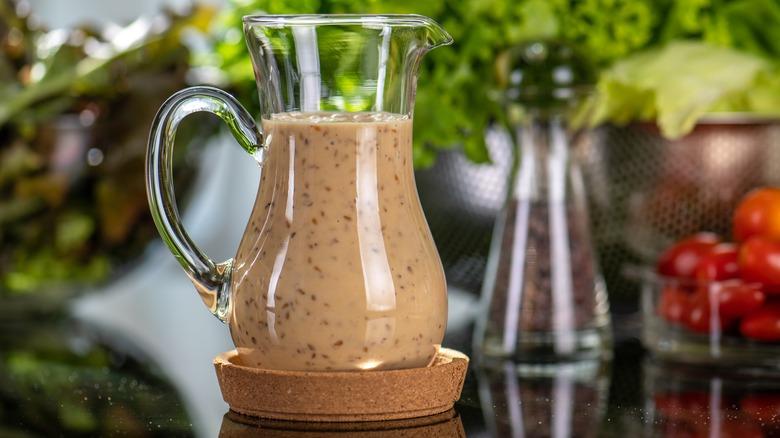
One of the fastest‑growing MCC uses in food is protein beverages. This is because protein drinks often contain protein concentrates, minerals, fiber, and functional ingredients that can settle during storage. To address this, MCC creates a protective network that keeps particles suspended, which is especially important for high‑protein beverages, meal‑replacement drinks, and sports‑nutrition products — reducing sedimentation, improving appearance, and delivering a more uniform nutrient distribution. In practice, protein beverage manufacturers often use MCC together with hydrocolloids to maintain suspension without excessive thickness. Crucially, proper interaction between MCC, protein ingredients, hydrocolloids, and minerals is essential for long‑term suspension stability.
Plant-based beverages represent one of the fastest-growing MCC uses in food globally.Almond milk, soy beverages, and oat drinks often struggle with poor mouthfeel, ingredient separation, and a lack of creamy texture. MCC improves the physical structure of these beverages by enhancing body, supporting suspension, and improving creaminess — helping plant-based products achieve a more dairy-like mouthfeel, better stability, and a cleaner sensory profile. Manufacturers often combine MCC with proteins and emulsifiers for a smoother consumer experience.Modern plant-based formulations often combine MCC with plant proteins, hydrocolloids, and emulsification systems to achieve dairy-like mouthfeel.
Yogurt manufacturers frequently struggle with water release, weak texture, and poor spoonability. MCC helps control water distribution inside the yogurt matrix, reducing whey separation, improving texture, and extending storage stability — particularly useful in low-fat yogurt formulations that need body restored after fat reduction.
Bakery applications continue expanding as new MCC uses in food emergeBakery products need stable texture, moisture control, and consistent filling performance. MCC can improve structure, moisture management, and processing consistency in cake fillings, cream fillings, and bakery mixes, resulting in better texture retention, improved handling, and more consistent quality.

Sauces, dressings, and mayonnaise-style products need stable texture, uniform appearance, and resistance to separation. MCC improves the structure of these formulations without producing excessive gumminess, creating a creamier texture, improved stability, and better low-fat performance.
Powder processing is another valuable MCC uses in food application.Powder products may suffer from poor flow, caking, and difficult handling. MCC improves powder characteristics in protein powders, meal-replacement powders, and dietary supplements, delivering better flowability, easier processing, and improved powder consistency.
Instant drink powders need fast dispersion, stable mixing, and good appearance. MCC improves dispersion behavior and helps maintain suspension after reconstitution, resulting in better mixing performance, reduced settling, and improved consumer experience.
Plant-based meat alternatives often lack juiciness, structure, and meat-like texture. MCC contributes to water management, texture formation, and product stability, improving bite, moisture retention, and overall structure.
Dry powders such as seasoning blends, soup powders, and dry mixes may have poor flow, ingredient separation, and moisture sensitivity. MCC improves powder handling and distribution, providing anti-caking support, improved flow, and better processing efficiency.
Health-oriented foods — weight-management products, high-fiber products, and functional snacks — need lower calories, a better nutrition profile, and good sensory quality. MCC provides functional benefits without adding significant calories, supporting calorie reduction while improving texture and product structure.
| Application | Main Challenge | MCC Function | Key Benefit |
| Ice Cream | Low-fat texture loss | Fat replacement | Creaminess |
| Dairy Drinks | Separation | Stabilizer | Better suspension |
| Protein Beverage | Sedimentation | Suspension aid | Uniform appearance |
| Plant Milk | Thin mouthfeel | Texture modifier | Dairy-like sensation |
| Yogurt | Whey separation | Water control | Better consistency |
| Bakery | Texture instability | Structure enhancer | Processing improvement |
| Sauce | Phase separation | Stabilizer | Smooth texture |
| Nutrition Powder | Poor flow | Processing aid | Better handling |
| Instant Drinks | Poor dispersion | Suspension support | Faster mixing |
| Plant Meat | Weak structure | Texture modifier | Better bite |
| Seasoning | Powder caking | Flow aid | Improved handling |
| Functional Food | Low-calorie challenge | Bulking agent | Better sensory quality |
Formulation Experience Insight. In real food development, MCC selection depends on the product system: a beverage manufacturer usually focuses on suspension ability, particle interaction, and dispersion performance; an ice cream manufacturer focuses on creaminess, fat-replacement capability, and freeze stability; a nutritional powder producer prioritizes flowability and powder processing. The best MCC solution is therefore application-specific rather than one universal grade — experienced suppliers evaluate particle size, moisture level, dispersion characteristics, and compatibility with other ingredients before recommending a grade.
Although this article focuses on food applications, MCC is also widely used in pharmaceutical formulations, including direct compression tablets and oral suspensions, demonstrating its outstanding binding, flowability, and suspension performance across industries.
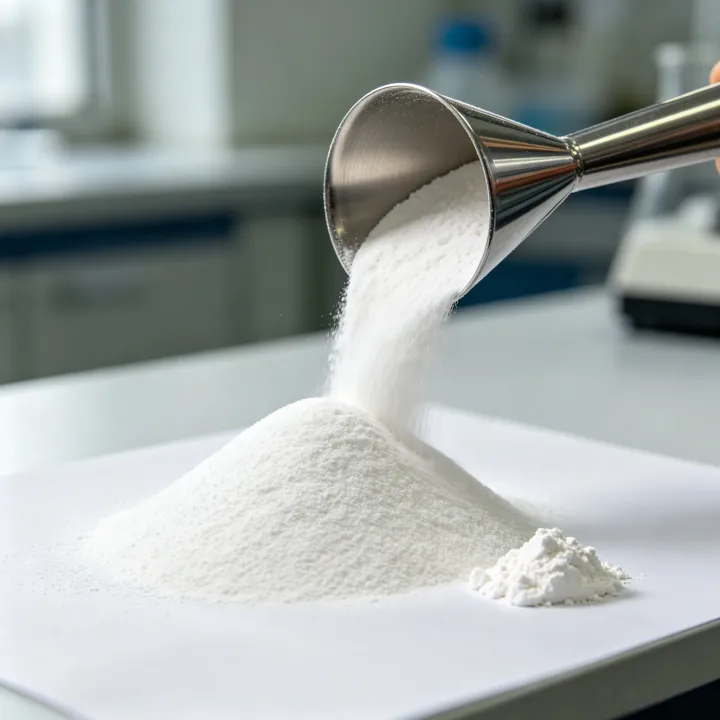
Need MCC for your food application? Different food products require different MCC performance characteristics. ACTA provides food-grade MCC solutions for dairy applications, beverage stabilization, fat-replacement systems, plant-based foods, and customized formulation support. Contact our technical team for MCC recommendations, COA, TDS, and sample evaluation.
How Does MCC Improve Food Texture? Microcrystalline cellulose (MCC) improves food texture by absorbing water, dispersing throughout the formulation, and forming a three-dimensional particle network. This structure increases body, enhances mouthfeel, improves suspension stability, and helps create smoother textures in products such as ice cream, dairy beverages, sauces, and plant-based foods.
Consumers judge food not only by taste but by creaminess, smoothness, thickness, mouthfeel, and stability during storage. Traditional approaches raise viscosity through gums or starches, but many modern formulations need something different: better texture without excessive thickness, improved stability without a sticky sensation, fat reduction without losing creaminess, and suspension without hurting drinkability. This is where MCC provides a distinct advantage, working through particle structure formation rather than water-phase thickening alone.
MCC particles added to the food system → water hydration and particle dispersion → cellulose particle interaction → three-dimensional network formation → improved water distribution → enhanced texture, stability, and mouthfeel.
When MCC enters a formulation, water interacts with the cellulose particle surface. Although MCC is not soluble in water, it disperses throughout the system, holds water around particles, and improves moisture distribution. This first stage determines final texture performance — poor dispersion can lead to uneven texture, reduced stabilization, and lower sensory quality, which is why proper mixing conditions and suitable grade selection matter.
The key advantage of MCC is its ability to form a physical network. During hydration, MCC particles interact with each other and build a weak structured system that traps water, supports suspended particles, improves body, and reduces separation. Before MCC, a water phase with loose particles may separate; after MCC, particles form an interlinked network that retains water within the structure, improving stability.
The resulting network changes how consumers perceive the product — improving creaminess (important in ice cream, dairy alternatives, and low-fat products), body (important in sauces, dressings, and nutritional products), smoothness (important in beverages, yogurt, and protein drinks), and suspension (important in functional beverages, mineral drinks, and protein formulations).
Not all MCC performs the same way. Smaller particles generally provide better dispersion, smoother mouthfeel, and improved suspension performance, while larger particles offer different flow characteristics and textural effects — so MCC selection should always match the application.
| Application | Preferred MCC Characteristics |
| Beverage suspension | Fine particle size, good dispersion |
| Ice cream texture | Strong water interaction |
| Powder products | Good flow properties |
| Sauce systems | Texture-building capability |
| Feature | MCC | Traditional Gum |
| Main action | Particle network formation | Water-phase thickening |
| Texture effect | Creamy, structured mouthfeel | Increased viscosity |
| Suspension ability | Excellent in suitable systems | Depends on viscosity |
| Fat replacement | Strong potential | Limited |
| Risk of gumminess | Lower | Higher at excessive dosage |
| Sensory effect | Natural body | Thick/sticky feeling possible |
A common challenge with gums is that increasing dosage increases viscosity, which can create a sticky, heavy mouthfeel and reduced drinkability. MCC works differently: instead of simply thickening the product, it builds internal structure — allowing manufacturers to achieve stable suspension, better body, and creamier perception without making the product excessively thick.
In a low-fat ice cream, fat reduction causes less creamy texture, weak body, and faster melting; the MCC network improves creaminess, smoothness, and mouthfeel so a lower-fat product can retain a more premium sensory experience. For a protein beverage, sedimentation and uneven appearance are common; MCC suspension systems help maintain ingredient distribution for a more stable, uniform product. In plant-based milk, which often lacks dairy-like texture, MCC improves body, creaminess, and particle suspension for a smoother, more balanced drinking experience.
How does MCC improve food texture? MCC improves food texture by absorbing water, dispersing cellulose particles throughout the formulation, and creating a three-dimensional network structure. This network improves mouthfeel, stability, suspension, and creaminess while helping food manufacturers reduce fat and improve product consistency.
Selecting the correct MCC grade is essential for achieving the desired texture, suspension, and stability. ACTA provides technical support for dairy formulations, beverage stabilization, fat-replacement applications, plant-based food development, and customized MCC solutions.
This particle network is one of the fundamental mechanisms used in modern food stabilization systems. By interacting with water, proteins, emulsifiers, and hydrocolloids, MCC contributes to improved physical stability while maintaining a desirable sensory profile.
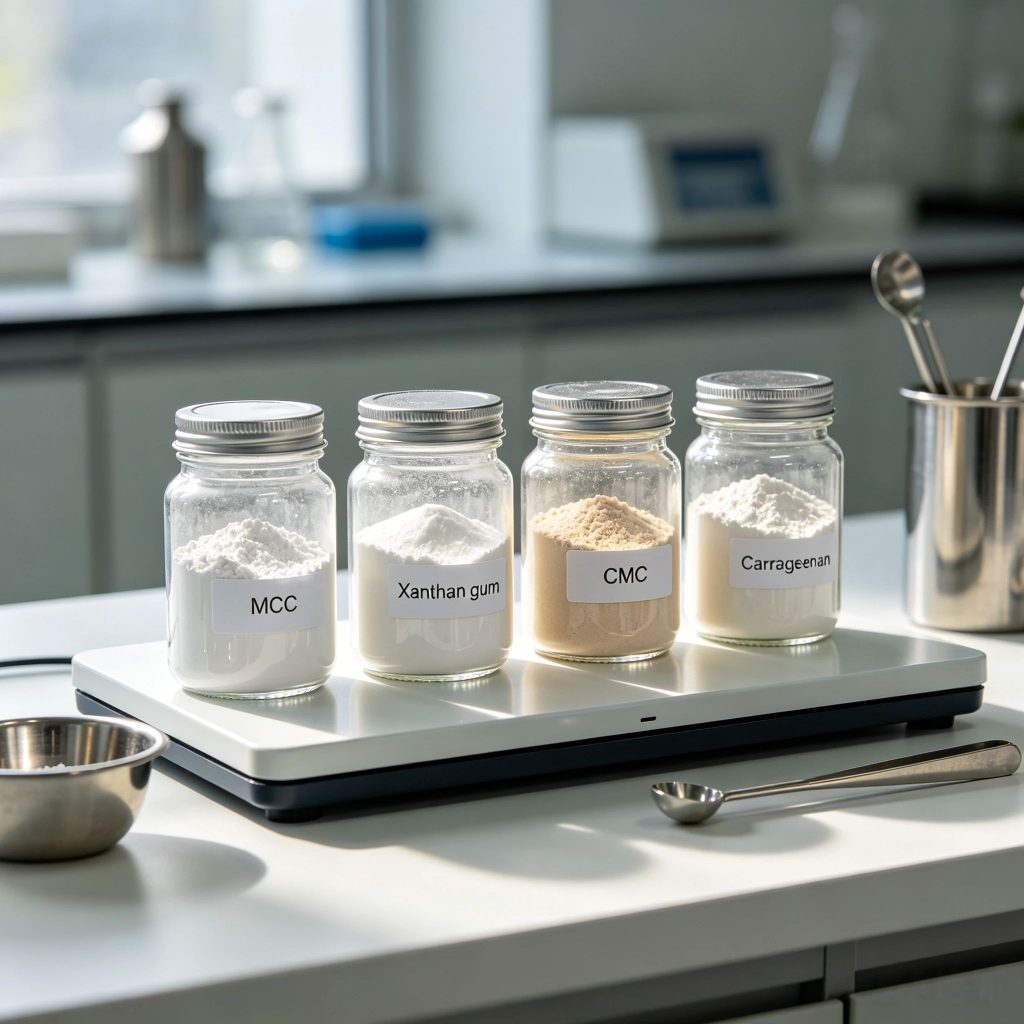
Microcrystalline cellulose (MCC) differs from traditional food hydrocolloids because it improves food structure mainly through particle network formation rather than only increasing viscosity. Compared with CMC, xanthan gum, guar gum, carrageenan, modified starch, and cellulose gum, MCC provides unique advantages in texture improvement, suspension stability, fat replacement, and clean-label food formulation.
Microcrystalline cellulose (MCC) and hydrocolloids such as xanthan gum, CMC, guar gum, carrageenan, and modified starch perform different functions in food formulations. Specifically, MCC primarily improves texture, suspension, and creamy mouthfeel by forming a three‑dimensional particle network, whereas most hydrocolloids mainly increase viscosity. As a result, many manufacturers combine MCC with hydrocolloids to create balanced food stabilization systems with improved texture, stability, and sensory performance. In fact, rather than competing, MCC and hydrocolloids are often used together to build high‑performance food stabilization systems.
Consequently, choosing the right functional ingredient is one of the most important decisions in food formulation, and different ingredients solve different problems. Indeed, the wrong choice can result in poor texture, phase separation, excessive viscosity, unacceptable mouthfeel, or higher production cost — which is precisely why manufacturers routinely compare MCC with traditional hydrocolloids before selecting a stabilization system. To clarify, the core difference is that hydrocolloids mainly control viscosity, while MCC helps build physical structure and improve texture through cellulose particle networks.
CMC is one of the most common cellulose-based food ingredients, widely used as a thickener, stabilizer, and water-retention agent — but it works quite differently from MCC.
| Feature | MCC | CMC |
| Chemical type | Microcrystalline cellulose | Cellulose derivative |
| Main function | Texture modifier, stabilizer, suspension aid | Thickener, viscosity modifier |
| Working mechanism | Particle network formation | Polymer hydration |
| Mouthfeel | Creamy, smooth | Thickened texture |
| Fat replacement | Strong capability | Limited |
| Beverage suspension | Excellent in suitable systems | Good viscosity control |
| Clean-label positioning | Strong | Depends on market preference |
| Typical applications | Ice cream, beverages, nutritional foods | Sauces, dairy, beverages |
Choose MCC for creamy mouthfeel, suspension stability, fat replacement, and better sensory texture. Choose CMC for increasing viscosity, water binding, and thickening.
Xanthan gum is one of the strongest natural thickeners, providing high viscosity, shear stability, and suspension ability — but excessive xanthan can create a slimy texture, high viscosity perception, and reduced drinkability.
| Feature | MCC | Xanthan Gum |
| Main function | Structure formation | Thickening |
| Texture effect | Creamy body | High viscosity |
| Suspension | Excellent | Excellent through viscosity |
| Beverage application | Good sensory balance | May feel thick |
| Fat replacement | Strong | Limited |
| Dosage sensitivity | Moderate | High viscosity impact |
| Consumer perception | Cellulose-based | Natural gum |
In a protein beverage, xanthan gum can prevent sedimentation by raising viscosity, but too much may make the drink feel heavy; MCC can help maintain suspension while preserving a lighter drinking experience.
Guar gum, derived from guar beans, is widely used as a thickener that provides high viscosity, water absorption, and texture enhancement.
| Feature | MCC | Guar Gum |
| Main function | Particle network | Thickening |
| Source | Cellulose | Plant seed gum |
| Viscosity increase | Moderate | Very strong |
| Mouthfeel | Smooth, creamy | Thick, sometimes heavy |
| Suspension | Good | Good |
| Fat replacement | Better | Limited |
| High-dosage risk | Lower gumminess | Higher viscosity |
Guar gum works well for strong thickening and moisture retention; MCC is preferred when manufacturers need texture improvement, creaminess, and stable structure.
Carrageenan is widely used in dairy applications such as milk beverages, desserts, and dairy gels, working mainly through gel formation and protein interaction.
| Feature | MCC | Carrageenan |
| Source | Cellulose | Seaweed polysaccharide |
| Main mechanism | Particle network | Gel formation |
| Dairy application | Texture and stability | Protein interaction |
| Mouthfeel | Smooth | Gel-like |
| Suspension | Strong | Strong |
| Fat replacement | Better | Limited |
| Application flexibility | High | More application-specific |
In chocolate milk, carrageenan can improve suspension through protein interaction, while MCC can improve smoothness, body, suspension, and overall sensory performance.
Modified starch is widely used for thickening, binding, and texture improvement in sauces, bakery products, and ready meals.
| Feature | MCC | Modified Starch |
| Main function | Texture structure | Thickening |
| Heat stability | Good depending on grade | Depends on modification |
| Mouthfeel | Creamy | Can become pasty |
| Fat replacement | Strong | Moderate |
| Freeze-thaw stability | Good in suitable systems | Depends on type |
| Clean-label trend | Strong cellulose positioning | Market dependent |
It is preferred for premium texture, reduced-fat products, and better mouthfeel; modified starch is preferred for strong thickening and cost-effective viscosity building.
MCC vs Cellulose Gum. Cellulose gum is another cellulose-derived ingredient commonly used as a thickener, stabilizer, and binder.
| Feature | MCC | Cellulose Gum |
| Structure | Crystalline cellulose particles | Modified cellulose polymer |
| Main action | Physical network formation | Viscosity increase |
| Texture | Creamy and smooth | Thickened |
| Suspension | Excellent | Good |
| Fat replacement | Strong | Moderate |
| Beverage suitability | Very good | Depends on formulation |
| Typical use | Functional texture systems | Thickening systems |
The lowest-cost ingredient is not always the lowest-cost solution. Buyers should weigh application support (formulation advice, sample testing, technical documentation), grade availability (different particle sizes, functional grades, and customized solutions), documentation (COA, TDS, food safety documents, and regulatory compliance information), and supply reliability (production capacity, batch consistency, export experience, and delivery stability).
Need help choosing between MCC and other hydrocolloids? Selecting the right stabilizer depends on your product goals, processing conditions, and sensory requirements. ACTA provides food-grade MCC solutions for beverage stabilization, dairy applications, fat replacement, and plant-based food development.
Need suspension?
↓
YES
↓
Fine-particle MCC
Need creaminess?
↓
YES
↓
Texture-grade MCC
Need powder flow?
↓
YES
↓
Powder-grade MCC
Need fat replacement?
↓
YES
↓
Functional MCC
How do you choose the right food-grade MCC?
Understanding MCC uses in food helps buyers select suitable gradesSelecting the right food-grade microcrystalline cellulose (MCC) depends on your application, desired functionality, and processing conditions. Beverage formulations generally require fine-particle MCC for suspension stability, dairy products benefit from texture-enhancing grades, and nutritional powders need grades with excellent flowability. Manufacturers should also evaluate particle size, regulatory compliance, formulation compatibility, and supplier technical support before selecting an MCC grade.The best MCC grade should always be selected based on formulation performance rather than price alone.
Step 1 — What is your main food application? Beverage → suspension → fine MCC. Dairy → texture → functional MCC. Powder → flowability → powder MCC. Bakery → structure → texture MCC.
Step 2 — What is your main formulation goal?
| Particle Characteristics | Functional Effect | Typical Applications |
| Fine particle MCC | Better dispersion and smoother texture | Beverages, dairy drinks |
| Medium particle MCC | Balanced texture and stability | General food applications |
| Larger particle MCC | Better flow and processing properties | Powder products |
Smaller particle size delivers faster hydration, better suspension, and smoother mouthfeel — common in protein beverages, plant-based milk, and functional drinks. Larger particle size delivers better powder flow, easier handling, and reduced dusting — common in dry mixes, nutritional powders, and seasonings.
| Required Function | Recommended MCC Performance | Typical Product |
| Suspension | Strong particle network | Beverage |
| Creaminess | Texture enhancement | Ice cream |
| Fat replacement | Water interaction and structure | Low-fat products |
| Powder flow | Processing improvement | Nutrition powder |
| Stabilization | Structure control | Dairy products |
| Mouthfeel improvement | Smooth texture | Plant-based food |
Beverage applications face sedimentation, protein instability, and poor mouthfeel; the recommended MCC characteristics are excellent dispersion, small particle size, and suspension capability, for protein drinks, milk beverages, functional drinks, and plant-based beverages.
Dairy applications face texture loss, whey separation, and low-fat formulation challenges; recommended characteristics are water interaction, creamy texture development, and stabilization ability, for yogurt, ice cream, and dairy desserts.
Bakery applications face texture consistency, moisture control, and filling stability challenges; recommended characteristics are structure improvement and moisture management, for bakery fillings, cream products, and prepared mixes.
Nutritional powder applications face poor flow, caking, and processing difficulty; recommended characteristics are good flowability and powder handling performance, for protein powders, meal-replacement products, and instant nutrition products.
| Specification Item | Why It Matters | Buyer Consideration |
| Appearance | Product consistency | White, free-flowing powder |
| Purity | Food safety compliance | Meets food-grade standards |
| Particle size | Functional performance | Match application needs |
| Moisture content | Stability and shelf life | Lower moisture preferred |
| pH value | Formulation compatibility | Suitable for food system |
| Bulk density | Processing behavior | Important for powder handling |
| Microbial limits | Food safety | Required compliance |
| Heavy metals | Regulatory compliance | Safety evaluation |
| Certification | Market access | Halal, Kosher, FSSC, etc. |
Choosing an MCC supplier is not only a product decision. Buyers should assess product consistency (Is batch quality stable? Are specifications consistent? Is production controlled?), technical support (application recommendations, sample-testing support, formulation guidance), documentation availability (COA, TDS, SDS, food safety certificates, regulatory documents), and supply capability (production capacity, export experience, delivery reliability, packaging options).
Practical Selection Experience. In commercial food development, MCC selection is usually based on application testing rather than specification comparison alone. Two MCC grades may both meet food standards but perform differently in suspension stability, texture development, and processing efficiency. Experienced formulation teams normally evaluate MCC through laboratory trials, pilot production, sensory evaluation, and storage-stability testing — an application-based approach that helps manufacturers avoid unnecessary reformulation costs.Different Food Grade MCC grades are designed for specific applications, including beverage stabilization, dairy texture improvement, powder processing, and reduced-fat food formulations.
Need help selecting the right food-grade MCC? Different food applications require different MCC performance characteristics. ACTA provides multiple MCC grades, application-based recommendations, technical documentation, sample evaluation support, and customized formulation solutions.
Successful MCC formulation depends on selecting the correct dosage, particle size, and ingredient compatibility. In most food applications, MCC performs best when combined with hydrocolloids, proteins, or emulsifiers rather than being used as a single functional ingredient. Laboratory testing and pilot trials are recommended to optimize dosage for each formulation.
The following dosage ranges are only starting points for laboratory evaluation. Actual usage should be optimized according to formulation, processing conditions, sensory requirements, and local regulations.
| Food Application | Recommended Starting Level* | Main Function |
|---|---|---|
| Ice cream | 0.2–0.8% | Fat replacement & creaminess |
| Yogurt | 0.15–0.6% | Water control & texture |
| Protein beverage | 0.1–0.5% | Suspension stability |
| Plant-based milk | 0.15–0.7% | Mouthfeel |
| Sauces & dressings | 0.2–0.8% | Body & stability |
| Nutritional powders | 0.2–1.0% | Flowability |
*Typical laboratory starting ranges only. Actual dosage should always be optimized through pilot-scale formulation testing.
| Ingredient | Compatibility | Why Combine with MCC |
|---|---|---|
| Xanthan Gum | Excellent | Better suspension with lower viscosity |
| CMC | Excellent | Water binding & smoother texture |
| Carrageenan | Excellent | Dairy stabilization |
| Modified Starch | Good | Better body and freeze-thaw stability |
| Milk Proteins | Excellent | Creamier mouthfeel |
| Plant Proteins | Excellent | Improved suspension |
| Pectin | Good | Fruit beverage stabilization |
| Emulsifiers | Excellent | Better fat distribution |
Rather than replacing hydrocolloids, MCC is commonly used together with them to build a complete food stabilization system. Proper ingredient synergy often produces better texture, suspension stability, and sensory quality than using a single stabilizer alone.
Common MCC Uses in Food
| Product | Primary Goal | Recommended Strategy |
|---|---|---|
| Ice Cream | Creaminess | MCC + Emulsifier |
| Protein Drink | Suspension | MCC + Xanthan |
| Yogurt | Syneresis Control | MCC + CMC |
| Plant Milk | Mouthfeel | MCC + Protein |
| Sauce | Texture | MCC + Modified Starch |
| Problem | Possible Cause | Recommended Solution |
|---|---|---|
| Sedimentation | Poor dispersion, unsuitable particle size, low stabilizer level | Optimize mixing, improve hydration, use finer MCC |
| Powder lumps | Rapid water addition, inadequate mixing | Pre-blend MCC, increase shear mixing |
| Rough mouthfeel | Large particle size, poor hydration | Select finer MCC, optimize hydration time |
| Phase separation | Weak stabilizer system | Combine hydrocolloids |
| Low creaminess | Insufficient structure, dosage too low, lack of emulsifier | Optimize MCC level, combine with proteins |
How do you formulate food with MCC?
Food formulators typically begin with a laboratory evaluation using a suitable food-grade MCC, then optimize dosage according to texture, suspension, and mouthfeel requirements. MCC usually performs best when combined with hydrocolloids, proteins, or emulsifiers as part of a complete food stabilization system, followed by pilot-scale validation before commercial production.
Choosing MCC Uses in Food
| Challenge | MCC Solution |
|---|---|
| Poor suspension | Fine-particle MCC |
| Low-fat texture | Texture-grade MCC |
| Thin plant milk | Suspension system |
| Powder caking | Flow-grade MCC |
| Ingredient separation | Food stabilization system |
Food manufacturers use microcrystalline cellulose (MCC) to solve common formulation challenges such as poor texture, ingredient separation, fat reduction problems, and powder processing issues. Successful MCC applications include ice cream texture improvement, protein beverage stabilization, low-fat sauce formulation, plant-based milk enhancement, and nutritional powder optimization.
Selecting a functional ingredient based only on technical specifications is often not enough. In real production, manufacturers need to understand what problem MCC solves, how it interacts with other ingredients, which application conditions influence performance, and what business benefits can be achieved. A successful MCC formulation is usually not about adding more ingredients — it is about designing the right functional system.
MCC performance depends on particle characteristics, processing conditions, and interaction with other ingredients.
A dairy manufacturer wanted a lower-fat ice cream to meet growing demand for healthier options, but fat reduction left the product less creamy, lower in body, and prone to a faster-melting perception; traditional stabilizers improved viscosity but did not fully recreate the expected creamy texture. The manufacturer introduced a food-grade MCC texture system that improved water distribution, created a smoother internal structure, enhanced body perception, and supported fat replacement, combining MCC with dairy proteins, emulsifiers, and traditional stabilizers to build a balanced texture system rather than replacing every stabilizer. The result was improved creaminess, better mouthfeel, more stable texture during storage, and reduced dependence on fat — allowing the manufacturer to develop a healthier product line while meeting consumer sensory expectations and expanding into reduced-fat markets.
A nutrition company’s high-protein beverage — containing protein concentrate, minerals, and functional ingredients — had strong nutritional value but showed protein sedimentation, uneven appearance, and poor acceptance after shaking during storage. Furthermore, increasing gum concentration improved stability but created excess thickness and a heavy mouthfeel. To solve this, the company introduced MCC as a suspension stabilizer, forming a particle network that maintained ingredient distribution without excessive viscosity increase. Specifically, they combined MCC with protein ingredients and an emulsification system while evaluating particle size, dispersion method, and storage stability. As a result, the beverage achieved reduced sedimentation, improved visual stability, a better drinking experience, and more consistent product quality — ultimately reducing complaints and improving consumer satisfaction.
A sauce manufacturer launching a healthier low-fat version of an existing product found that its original formula relied heavily on oil for rich mouthfeel, smooth texture, and body; reducing oil content left the new formulation thin and less creamy, and simply increasing starch produced a heavy, less premium texture. MCC was introduced as a texture-enhancement ingredient to help recreate structural properties normally provided by fat, with the manufacturer optimizing MCC level, water phase, and emulsifier balance to achieve smooth texture, stable structure, and lower fat content. The final product showed improved body, better sensory quality, and stable texture during storage, supporting a health-oriented product positioning and a competitive reduced-fat product range.

A plant-based beverage company’s vegan milk alternative, built on plant protein, vegetable ingredients, and functional nutrients, initially had a thin mouthfeel, ingredient separation, and a lack of dairy-like sensory experience — falling short of consumer expectations for smoothness, creaminess, and stability. Adding MCC improved body, suspension, and creamy perception, with the formulation combining MCC with plant proteins, emulsifiers, and natural stabilizers and optimizing particle distribution, processing conditions, and storage requirements. The improved beverage achieved smoother texture, better suspension stability, and a more balanced mouthfeel — strengthening consumer acceptance and competitiveness in plant-based markets.
A nutrition company producing protein powders, meal-replacement powders, and functional nutrition blends experienced poor powder flow, caking during storage, difficult filling operations, and uneven ingredient distribution. Selecting MCC as a functional powder-processing ingredient improved powder structure, flow behavior, and handling performance, with the manufacturer evaluating MCC particle size, blend uniformity, and moisture control. The production process achieved better powder flow, easier handling, and improved batch consistency — raising production efficiency, reducing processing problems, and improving product quality.
Recommended MCC Uses in Food
| Application | Main Problem | MCC Function | Main Result |
| Ice Cream | Loss of creaminess after fat reduction | Texture modifier | Improved mouthfeel |
| Protein Beverage | Sedimentation | Suspension stabilizer | Better stability |
| Low-Fat Sauce | Weak body | Fat-replacement support | Better texture |
| Plant-Based Milk | Poor dairy-like sensation | Texture enhancement | Creamier beverage |
| Nutritional Powder | Poor flow | Processing improvement | Better handling |
These cases point to three consistent principles: first and foremost, MCC is application‑specific — the same grade may not deliver optimal results in every product, and selection depends on product structure, processing conditions, and desired sensory properties; secondly, MCC works best as part of a system, typically combined with proteins, emulsifiers, hydrocolloids, and starches to build a complete functional system; and finally, technical support matters, since supplier guidance can significantly reduce trial‑and‑error costs, development time, and reformulation risk.
Need MCC support for your food product development? Every food application requires a different MCC solution. ACTA provides food-grade MCC, application consultation, sample-testing support, technical documentation, and customized formulation guidance.
| Organization | Status |
|---|---|
| FDA | Approved |
| EFSA | E460(i) |
| JECFA | Evaluated |
| Halal | Available |
| Kosher | Available |
Is microcrystalline cellulose (MCC) safe to eat?
Yes. Microcrystalline cellulose (MCC), identified as E460(i) in food regulations, is widely recognized as safe by major regulatory authorities, including the U.S. FDA, EFSA, and JECFA. Derived from purified plant cellulose, MCC is extensively used in dairy products, beverages, bakery products, and nutritional foods as a multifunctional food ingredient. Importantly, it is also available with Halal and Kosher certifications for global food applications. Given this long history of global regulatory acceptance, MCC remains one of the most trusted functional ingredients in modern food manufacturing.
| Function | Food Application |
| Texture modifier | Ice cream, dairy products |
| Stabilizer | Beverages, sauces |
| Suspension aid | Protein drinks |
| Fat-replacement support | Low-fat products |
| Bulking agent | Functional foods |
| Anti-caking support | Powder products |
MCC is considered a naturally derived food ingredient because it is produced from purified plant cellulose. Although commercial MCC undergoes controlled processing to achieve the required functional properties, its basic composition remains cellulose, a natural component of plants.
In the United States, microcrystalline cellulose is recognized as a permitted food ingredient. The FDA regulates cellulose-based ingredients under food additive regulations and recognizes approved uses of cellulose derivatives in food manufacturing, spanning dairy products, bakery products, beverages, processed foods, and nutritional products. Manufacturers exporting to the U.S. typically require product specification, a Certificate of Analysis (COA), food safety documentation, and regulatory compliance information from suppliers.
In the European Union, MCC is identified as E460(i) under the cellulose food additive category. The European Food Safety Authority (EFSA) has evaluated cellulose-based food additives as part of the EU’s food additive safety assessment framework, and MCC is permitted in approved food applications including dairy products, food supplements, bakery products, and functional foods — with European manufacturers typically requiring compliance with EU food additive requirements, traceability documentation, and quality management systems.
The Joint FAO/WHO Expert Committee on Food Additives (JECFA) evaluates the safety of food additives internationally, and MCC belongs to the cellulose group it has assessed. This international acceptance underpins the global use of MCC in food manufacturing and is widely referenced by national food authorities, international food companies, and ingredient suppliers.
For Chinese food manufacturers and exporters, MCC must comply with relevant food additive regulations, including GB food additive standards, food safety specifications, and product quality requirements. Manufacturers exporting MCC from China typically provide COA, a specification sheet, safety documentation, batch traceability, and quality certificates.
MCC is generally suitable for Halal-certified food applications, since it originates from plant cellulose and does not contain animal-derived ingredients or require animal-based processing materials. Muslim markets and manufacturers usually still require formal certification from recognized organizations, along with a Halal certificate, production process information, and ingredient declaration.
MCC is widely accepted for Kosher food applications. Because it is derived from cellulose, MCC is generally compatible with Kosher requirements when produced under appropriate certified conditions; companies targeting Kosher markets usually request a Kosher certificate and manufacturing documentation.
For industrial ingredient suppliers, robust food safety management systems are critical. Many professional MCC manufacturers implement recognized frameworks such as FSSC 22000, which helps control food safety risks, production processes, traceability, and quality management. A qualified MCC supplier should maintain a food safety management system, raw material control, production monitoring, and batch traceability.
| Regulation / Certification | MCC Status | Importance |
| FDA | Approved food ingredient applications | US market access |
| EFSA | E460(i) cellulose additive category | EU compliance |
| JECFA | International safety evaluation | Global acceptance |
| GB Standards | Chinese food compliance | China market |
| Halal | Suitable with certification | Muslim markets |
| Kosher | Suitable with certification | Kosher markets |
| FSSC 22000 | Food safety management system | Supplier qualification |
What Documents Should Buyers Request? Professional buyers should request technical documents (TDS, COA, SDS), regulatory documents depending on target market (FDA compliance information, EU compliance statement, Halal and Kosher certificates), and quality documents (ISO certification, FSSC 22000, HACCP system, batch traceability). Regulatory compliance is not only a legal requirement — it directly affects customer approval speed, export market access, product registration, and brand credibility. A supplier with complete documentation helps customers reduce qualification time, regulatory risk, and product launch delays.
The same high-quality cellulose technology is also widely applied in pharmaceutical excipients, where MCC is used in tablets, capsules, and oral suspensions under strict GMP manufacturing standards.
Need regulatory documents for food-grade MCC? ACTA provides food-grade MCC with complete technical documentation for international markets — COA, TDS, SDS, regulatory information, and Halal/Kosher documentation.
Request regulatory documents including COA, TDS, SDS, Halal, and Kosher certificates.
First of all, a reliable MCC supplier should have stable manufacturing capability, an experienced technical team, a strict quality control system, and consistent batch performance. Additionally, important questions include how long the supplier has produced MCC, whether it specializes in cellulose products, and whether it can support different applications. Moreover, a professional supplier should also offer multiple MCC options rather than a single standard grade — for example, fine‑particle MCC for beverage suspension, functional texture MCC for dairy improvement, flow‑improved MCC for powder processing, and texture‑building MCC for fat replacement.
Secondly, buyers should request COA (to verify batch quality — appearance, identification, purity, moisture, pH, particle characteristics, and microbial requirements), TDS (to understand product characteristics, recommended applications, technical parameters, and storage conditions — helping R&D teams determine whether the grade fits their formulation), SDS (for safety evaluation), a specification sheet, a regulatory statement, and certificate documents for customer qualification. These documents collectively ensure that the product meets both regulatory and formulation needs.
Thirdly, minimum order quantity is especially important for new product development, laboratory trials, small brands, and regional distributors, and different suppliers set different MOQ policies. Typically, purchasing moves through three stages: laboratory testing (small sample quantity, technical support, application evaluation to confirm compatibility, texture performance, and stability), pilot production (medium quantity supply, stable specifications, repeatability testing), and commercial production (regular supply, competitive pricing, long‑term agreement). Notably, a supplier that supports small trial orders demonstrates stronger technical cooperation capability.
Fourthly, packaging directly affects product protection, storage stability, and transportation safety. For instance, common options include 20 kg bags for standard food production, 25 kg bags for international export, and customized packaging for brand customers. Furthermore, professional MCC packaging should provide moisture protection, clean food‑grade material, clear labeling, and batch traceability; and for international shipping, it should also account for container loading efficiency, humidity protection, and long‑distance transportation.
Fifthly, manufacturers need predictable supply, so it’s worth asking about normal production lead time, urgent‑order support, and raw material supply stability. After all, a delayed shipment can cause production interruption, inventory problems, and customer delivery delays; consequently, a reliable supplier should provide a clear production schedule, shipment tracking, and export experience.
Sixthly, different applications require different performance characteristics, so professional suppliers should offer particle size adjustment (for beverage applications, powder products, and texture optimization), functional optimization (for suspension systems, fat replacement, and texture enhancement), and packaging customization (for private‑label customers, distributors, and regional brands). Thus, instead of adjusting a food formula repeatedly, manufacturers can select an MCC solution designed for their product system, thereby reducing development time, trial costs, and production risk.
Seventhly, many ingredient suppliers only provide products, but manufacturers increasingly need technical cooperation covering application development (beverage stabilization, ice cream texture improvement, plant‑based formulation), sample testing (recommended dosage range, mixing suggestions, application feedback), and troubleshooting (sedimentation, poor texture, processing difficulties). In other words, the supplier should act as a true solution partner, not just a commodity provider.
Finally, before importing, buyers should confirm the following: product specification, COA reviewed, TDS received, regulatory documents available, certification requirements confirmed, packaging approved, MOQ accepted, lead time confirmed, shipping documents prepared, and a technical contact available. This comprehensive checklist ensures that every logistical and technical detail is addressed before placing an order.
| Document | Purpose |
| Commercial Invoice | Customs clearance |
| Packing List | Shipment verification |
| COA | Quality confirmation |
| Certificate of Origin | Import requirement |
| Shipping Documents | Logistics process |
| Regulatory Documents | Market approval |
| Evaluation Factor | Basic Supplier | Professional MCC Supplier |
| Product | Standard grade only | Multiple application grades |
| Documentation | Limited | Complete technical package |
| MOQ | Fixed | Flexible support |
| Customization | Limited | OEM capability |
| Technical Support | Product sales only | Formulation assistance |
| Supply | Transaction-based | Long-term partnership |
Industrial buyers aren’t only looking for MCC — they’re looking for reduced formulation risk, stable production, faster product development, and a reliable supply chain. A strong supplier should be able to demonstrate consistent food-grade production, formulation-level technical capability, reliable export supply and documentation, and long-term partnership value rather than one-time transactions.
Looking for a reliable food-grade MCC supplier? ACTA provides technical specification matching, COA and TDS supply, sample evaluation, customized grades, export documentation, and application support for global food manufacturers and distributors.
Buyer Checklist: COA · TDS · Certification · Supply capability · Technical support
Why Choose ACTA Food Grade MCC?
First and foremost, ACTA provides food‑grade microcrystalline cellulose (MCC) solutions with stable supply, consistent quality, technical support, and customized formulation assistance. Moreover, by combining manufacturing capability, application expertise, export experience, and flexible OEM solutions, ACTA helps global food manufacturers improve texture, stability, and processing performance. Indeed, professional food‑grade MCC suppliers should understand not only MCC specifications but also food formulation, hydrocolloid systems, beverage stabilization, and dairy texture optimization — and ACTA is exactly that kind of supplier.
At ACTA, our food application specialists support dairy manufacturers, beverage producers, plant‑based food developers, and nutritional ingredient companies worldwide. Specifically, every MCC recommendation is based on formulation goals, processing conditions, and application testing rather than generic product selection. Moreover, we back this with hands‑on technical support, sample testing for real formulation trials, direct formulation discussion with our application team, regulatory guidance for target markets, global export experience, consistent batch‑to‑batch quality, and ongoing application development support — so customers get a functional MCC solution, not just a bag of powder.
Furthermore, choosing an MCC supplier is not only about purchasing a cellulose ingredient — the real value comes from a partner that can support the complete product development process, from ingredient selection and application testing through technical optimization, documentation support, and long‑term supply management. While many suppliers can provide standard MCC powder, successful food applications require a deeper understanding of product structure, processing conditions, target texture, regulatory requirements, and market expectations. That is why ACTA focuses on application‑oriented MCC solutions that help customers select the right grade for their specific food system.
For industrial food manufacturers, supply stability is critical. ACTA supports customers with consistent product quality, stable production capacity, reliable delivery schedules, and batch-to-batch consistency — a structured supply approach designed for food manufacturers, ingredient distributors, and international buyers that reduces supply chain risk, production interruptions, and quality fluctuations.
A single MCC grade cannot optimize every application, so ACTA provides tailored solutions. These include, for example, beverage applications that require suspension stability, good dispersion, and smooth mouthfeel for protein beverages, plant‑based drinks, and functional beverages. Additionally, for dairy applications, we offer texture improvement, creaminess, and stability for yogurt, ice cream, and dairy desserts. Furthermore, for powder applications, we provide flow improvement and processing performance for nutritional powders and functional food blends. Finally, for low‑fat formulations, we support body enhancement and fat‑replacement for reduced‑fat sauces and healthy food products.
ACTA supports customers beyond basic product supply with MCC grade recommendation, application matching, sample evaluation, formulation discussion, and problem-solving support. A typical process might run: a customer requirement (“Need a stabilizer for protein beverage”) → ACTA evaluation (protein type, pH condition, processing method, desired texture) → recommended solution (suitable MCC grade plus application guidance) → customer testing (performance evaluation and optimization).
Global food manufacturers need suppliers who understand international trade requirements, and ACTA supports export customers with commercial documentation, technical documents, COA, TDS, SDS, and product information support — simplifying supplier approval, import procedures, and internal quality evaluation.
Given that different markets and applications often require customized specifications, private labeling, packaging solutions, and application‑specific recommendations, one-size-fits‑all approaches rarely meet real‑world needs. For example, a beverage producer may need better suspension, an ice cream producer may need creamier texture, and a powder producer may need better flow — accordingly, customized MCC solutions help each customer hit their specific performance target.
ACTA does not simply recommend MCC based on product name; recommendations are based on the actual formulation challenge. For protein beverage sedimentation, the solution focus is suspension performance; for low-fat ice cream lacking creaminess, the focus is texture enhancement; for plant-based milk that feels too thin, the focus is mouthfeel improvement.
| Customer Challenge | ACTA Solution |
| Need stable supply | Reliable production support |
| Unsure which MCC grade to choose | Technical recommendation |
| Need food compliance documents | Complete documentation |
| Developing new products | Application support |
| Need customized products | OEM capability |
| Entering new markets | Export assistance |
The modern food industry requires more than just ingredients; instead, manufacturers need partners who understand product development, technical performance, regulatory expectations, and global supply requirements. In this context, ACTA combines food‑grade MCC manufacturing capability, technical application knowledge, international export experience, and flexible customer support. As a result, we help food companies improve texture, stability, consumer acceptance, and production efficiency.
So, do you need the right MCC solution for your food product? Whether you are developing dairy products, functional beverages, plant‑based foods, nutritional products, or reduced‑fat formulations, ACTA can provide suitable MCC grade recommendations, technical documents, sample evaluation, and customized support. Therefore, contact ACTA today to discuss your specific food application requirements.
Related Resources
MCC is E460(i)
Microcrystalline cellulose particle network improving food texture is plant-derived
MCC improves texture
Microcrystalline cellulose improves suspension
MCC can replace part of the fat
Microcrystalline cellulose is FDA recognized
MCC is EFSA approved
Microcrystalline cellulose is widely used in dairy, beverages and bakery
E460(i) is the European food additive designation for microcrystalline cellulose, a purified plant-derived cellulose widely used as a functional food ingredient.
Microcrystalline cellulose (MCC), also known as E460, is a widely used food ingredient with applications in texture improvement, stabilization, suspension, fat replacement, and powder processing. The most common questions about MCC include safety, dosage, food applications, regulatory status, differences from other hydrocolloids, and how to select a reliable MCC supplier.
MCC (Microcrystalline Cellulose) is a purified cellulose ingredient derived from plant sources, used as a stabilizer, texture modifier, bulking agent, suspension aid, and processing ingredient. It maintains the basic cellulose structure while improving texture, stability, mouthfeel, and product consistency across dairy products, ice cream, beverages, bakery products, nutritional powders, and plant-based foods.
MCC is not a traditional hydrocolloid. It is a cellulose-based functional ingredient that mainly improves texture and stability through particle network formation rather than viscosity alone.
Yes. MCC is frequently combined with xanthan gum, CMC, guar gum, carrageenan, pectin, and modified starch to create balanced food stabilization systems.
MCC stands for Microcrystalline Cellulose — a refined form of cellulose produced through controlled processing of plant-derived cellulose materials, generally included in food regulations under E460 — Cellulose.
Yes. Food-grade MCC is considered safe for use by major international regulatory organizations, including FDA, EFSA, and JECFA, when used according to approved food regulations, and it is widely used in processed foods, functional foods, nutritional products, and beverages.
MCC is a plant-derived cellulose ingredient. Cellulose naturally exists in plant cell walls, and food-grade MCC undergoes purification and controlled processing to achieve high purity, consistent particle size, and reliable functionality — while remaining cellulose-based and plant-derived.
MCC’s main applications include ice cream (texture improvement and fat-replacement support), dairy products (stabilization and mouthfeel enhancement), beverages (suspension stabilization), plant-based milk (creaminess improvement), sauces (texture modification), bakery products (structure improvement), and nutritional powders (flow and processing support).
MCC improves texture by forming a physical cellulose particle network inside the food system: water interaction → particle dispersion → network formation → improved texture and stability. Unlike gums, which mainly increase viscosity, MCC creates creamier texture, better body, improved suspension, and a balanced mouthfeel.
MCC improves creaminess, texture stability, and fat-reduced formulations in ice cream, delivering better mouthfeel, improved body, a reduced perception of low fat, and enhanced stability — especially useful in low-fat, reduced-calorie, and plant-based frozen desserts.
MCC is commonly used as a suspension stabilizer in protein drinks, nutritional beverages, plant-based beverages, and functional drinks, reducing sedimentation, ingredient separation, and uneven appearance.
Yes — MCC is widely used in plant-based milk, vegan beverages, meat alternatives, and functional foods, improving mouthfeel, enhancing structure, and supporting suspension stability.
MCC dosage depends strongly on the application, formulation system, and desired function, so there is no universal dosage — performance depends on product type, other ingredients, processing conditions, and target texture. A typical development approach starts with laboratory testing, evaluates texture and stability, optimizes concentration, and conducts pilot production testing; manufacturers should select dosage based on performance rather than cost alone.
MCC can support fat reduction by improving texture and mouthfeel, but it does not directly replace all functions of fat, which also provides creaminess, flavor release, and texture. It mainly supports structure, body, and moisture management, so it is usually used as part of a complete fat-reduction strategy.
MCC’s main function is structure formation (particle network) and it delivers a creamy texture with stronger fat-replacement and suspension capability; CMC’s main function is thickening (polymer hydration) delivering a more viscous texture. Choose MCC for texture improvement, suspension, and creaminess; choose CMC for higher viscosity and thickening effect.
Neither is universally better — they solve different formulation problems. Xanthan gum is best for strong thickening and high viscosity; MCC is best for suspension, creamy texture, and fat-replacement support. For beverages, MCC may provide better sensory balance when excessive viscosity is undesirable.
Food-grade MCC is generally considered gluten-free because it is derived from cellulose rather than wheat, barley, or rye — though manufacturers should always verify supplier declaration, production environment, and certification requirements.
MCC is generally suitable for Halal food applications because it is derived from plant cellulose; for commercial export markets, buyers usually require a Halal certificate, manufacturing documentation, and ingredient declaration.
MCC can be used in Kosher-certified food products when produced under appropriate certification conditions; companies targeting Kosher markets should request a Kosher certificate and supplier documentation.
MCC and cellulose gum are both cellulose-based but work differently: MCC is built from cellulose particles and forms a physical network delivering a creamy mouthfeel, while cellulose gum is a modified cellulose polymer that mainly increases viscosity, delivering a thickened mouthfeel.
Selection depends on application: beverages need fine particle size and suspension performance; dairy needs texture improvement and stability; powders need flowability and processing performance; low-fat products need body enhancement and mouthfeel improvement.
Professional buyers should request COA, TDS, SDS, a specification sheet, regulatory documents, and certification information to evaluate quality, compliance, and application suitability.
A reliable supplier should offer product capability (multiple grades, stable quality), technical support (application guidance, sample testing), and commercial support (flexible MOQ, reliable delivery, export experience).
Yes — professional MCC suppliers can provide customized solutions including particle size adjustment, functional optimization, packaging options, and application recommendations.
Food-grade MCC usually has a long shelf life when stored in a dry environment, protected from moisture, and kept in sealed packaging; actual shelf life depends on the supplier specification, packaging, and storage conditions.
MCC generally has a neutral taste and is used mainly for functional purposes — it improves texture, stability, and mouthfeel without significantly changing flavor.
Manufacturers choose MCC when they need better suspension, creamier texture, fat-reduction support, less gumminess, and clean-label positioning — a different functional approach from traditional viscosity-based ingredients.
The typical process is to share application information, receive a suitable MCC recommendation, evaluate samples, conduct formulation testing, and confirm commercial supply. A professional supplier should support technical evaluation before large-scale purchasing.
Choosing the right MCC depends on your food application, desired texture, processing conditions, and regulatory requirements. ACTA provides food-grade MCC solutions, technical consultation, COA/TDS documentation, sample evaluation, and customized application support.
MCC is more than a food additive — it is a functional solution for future food innovation. The food industry is changing rapidly: consumers want products that are healthier, cleaner-label, more sustainable, higher in nutritional value, and better in texture and sensory experience, while manufacturers face growing pressure to reduce fat without losing creaminess, build stable plant-based products, improve beverage suspension, develop functional nutrition products, and maintain consistent quality at scale. Microcrystalline cellulose is becoming increasingly valuable because it helps solve these challenges through functional performance rather than simply adding more ingredients.
Growth of clean label and plant-based foods. Consumers increasingly prefer ingredients that are recognizable, plant-derived, and functionally effective. As a cellulose-based ingredient, MCC aligns well with clean-label strategies, and its applications continue expanding across plant-based beverages, alternative dairy products, functional foods, and nutritional products.
Increasing demand for healthier formulations. Food companies are under pressure to create low-fat, reduced-calorie, high-protein, and functional nutrition products — but removing fat or changing formulations often creates texture problems. MCC helps manufacturers rebuild body, mouthfeel, stability, and consumer acceptance, making it an important tool for healthier product development.
More advanced formulation requirements. Future food manufacturing will demand ingredients that deliver multiple benefits rather than a single function. MCC’s contribution to texture improvement, suspension stability, fat-replacement support, powder processing improvement, and product consistency makes it valuable across categories.
For manufacturers, choosing MCC is not only about purchasing a powder — the real challenge is selecting the right grade, particle characteristics, functional performance, and application approach, which requires understanding product structure, manufacturing process, target consumer experience, and regulatory requirements. The future of MCC supply is moving from simple ingredient trading toward technical cooperation.As MCC uses in food continue expanding, manufacturers require more application-specific solutions.
ACTA provides more than standard MCC supply. Our focus is helping customers develop better food products through stable and reliable supply (consistent product quality, stable production capability, reliable export supply), application-based MCC recommendations (matched to beverage, dairy, plant-based, powder, and texture-optimization needs), complete technical documentation (COA, TDS, SDS, product specifications, regulatory information) that helps customers complete supplier qualification efficiently, and customized solutions for different markets, including customized grades, application-specific performance, OEM cooperation, and flexible packaging.
Whether you are developing ice cream, protein beverages, plant-based milk, low-fat sauces, nutritional powders, or other functional food products, ACTA can help identify the right MCC solution. Our technical team supports application evaluation, MCC grade recommendation, sample testing, and commercial supply.
For product evaluation, contact ACTA to receive food-grade MCC samples, COA, TDS, SDS, and application recommendations tailored to your specific formulation requirements.
As a cellulose-based functional ingredient, food-grade MCC uses in food has become an essential component of modern food stabilization systems. Whether used independently or in combination with hydrocolloids, proteins, emulsifiers, and starches, MCC helps manufacturers improve texture, suspension stability, mouthfeel, and overall formulation performance.
