

CMC in fruit juice plays a critical role in improving cloud stability, preventing pulp sedimentation, and extending shelf life in modern beverage formulations. Fresh fruit juice may appear simple, but it is one of the most physically unstable beverage systems in the food industry. Because juice contains suspended pulp, cloud particles, natural pectin, proteins, oils, minerals, and organic acids, these components differ widely in size, density, and surface chemistry. Consequently, they separate naturally during processing and storage unless manufacturers control that instability with the right stabilizer.
This is exactly where carboxymethyl cellulose (CMC) proves its value. Rather than simply thickening the liquid, food-grade CMC builds a structured suspension network that keeps fruit juice visually uniform, texturally consistent, and commercially stable from the day of production until the end of shelf life. Below, we break down why fruit juice destabilizes, how CMC solves each problem mechanistically, which grade fits which beverage, and how to troubleshoot common formulation issues.Food-grade CMC (E466) is approved for use in beverages in many countries and is recognized by international food safety authorities such as the FDA and Codex Alimentarius.
Figure 1. Mechanism of CMC stabilizing cloud particles and fruit pulp in juice beverages.
As illustrated in Figure 1, hydrated CMC molecules form a continuous three-dimensional network that physically supports suspended fruit particles throughout storage. Unlike simple thickeners, CMC provides structural stabilization while maintaining a smooth and refreshing mouthfeel.
Selecting the correct CMC grade is often more effective than simply increasing dosage when improving suspension stability.
Gravity constantly acts on suspended particles inside every bottle of juice. Denser particles gradually sink, while lighter oil droplets and air bubbles rise. Heat treatment, pH fluctuations, enzymatic activity, and storage temperature accelerate this process further, so manufacturers must solve several instability mechanisms simultaneously rather than treating them as isolated problems.
Cloud loss affects cloudy citrus juices most severely. It consist of microscopic fruit-cell fragments, pectin, proteins, and essential oils. Although tiny, these particles remain denser than water, and according to Stokes’ Law, they settle faster whenever viscosity is inadequate. Because consumers judge freshness by cloudiness, a clear serum layer often triggers purchase rejection even when the product remains perfectly safe.
Pulp sedimentation occurs because pulp particles are considerably larger and heavier than cloud particles. Once pulp settles, the juice develops uneven flavor, inconsistent nutrition per serving, and a compact sediment layer that resists redispersion.
Serum separation goes a step further. It reflects a structural failure of the entire suspension system rather than simple settling and commonly appears in cloudy citrus juices, high-pulp beverages, and fiber-fortified functional drinks.
Modern beverages often combine fruit juice with vitamins, minerals, botanical extracts, emulsified oils, and dietary fiber. These ingredients differ significantly in density and particle size, increasing the risk of phase separation during storage.
Typical defects include floating oil layers, bottom sediment, intermediate pulp bands, and localized ingredient clumping. UHT processing makes the challenge even greater because elevated temperatures temporarily alter protein structure, pectin interactions, and hydrocolloid behavior.
Ring formation along the bottle wall and viscosity drift are two additional quality defects that beverage manufacturers must control throughout shelf life.
Evaporation, transportation vibration, and repeated handling encourage fine particles to migrate toward the container wall. Although this rarely affects food safety, consumers often interpret ring formation as spoilage, negatively affecting purchasing decisions.
Meanwhile, polymer degradation, pectin breakdown, enzymatic activity, and mechanical shear during transportation can gradually change beverage viscosity over time. For this reason, formulators increasingly evaluate viscosity stability throughout the entire commercial shelf-life period rather than immediately after production.
Cloud loss, pulp sedimentation, serum separation, phase separation, ring formation, and viscosity drift are the six most common stability challenges in commercial fruit juice beverages. Understanding these mechanisms is the first step toward selecting the appropriate CMC in fruit juice formulation for long-term suspension stability and shelf-life performance.
Many new formulators assume that adding more thickener automatically fixes sedimentation. In practice, excessive viscosity creates a gummy mouthfeel and slows flavor release, which pushes consumers away just as effectively as visible sediment does. Therefore, modern beverage stabilization focuses on building a structured suspension network rather than simply thickening the liquid—and that distinction is precisely why CMC in fruit juice remains the industry’s preferred stabilizer.
Fruit juice instability is caused by multiple physical mechanisms—including cloud loss, pulp sedimentation, serum separation, phase separation, and viscosity drift. Instead of merely increasing viscosity, CMC in fruit juice forms a three-dimensional suspension network that helps maintain cloud stability, supports pulp particles, minimizes separation, and delivers consistent shelf-life performance while preserving a smooth, refreshing mouthfeel.
Before increasing the CMC dosage, first evaluate hydration time, homogenization pressure, and particle size distribution. In many commercial fruit juice formulations, processing parameters have a greater impact on suspension stability than stabilizer dosage alone. Optimizing the entire formulation system often produces better long-term stability while reducing ingredient costs.
Once dispersed in water, CMC molecules hydrate through hydrogen bonding between their carboxymethyl groups and surrounding water. As hydration proceeds, the polymer chains unfold and expand, and this single step already increases the beverage’s structural integrity without requiring a high dosage. Insufficient hydration, by contrast, produces “fish eyes,” undissolved lumps, and inconsistent viscosity, so most commercial formulations allow 20–30 minutes of hydration under moderate agitation before homogenization.
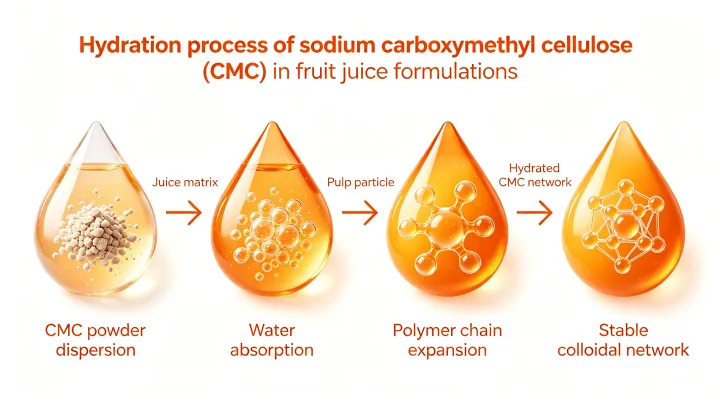
Figure 2. Hydration and polymer expansion of CMC molecules before homogenization
CMC develops its full stabilizing performance only after complete hydration. Proper dispersion allows polymer chains to unfold, increasing water binding and improving suspension efficiency.
Hydrate CMC for 20–30 minutes before adding fruit concentrate.
After hydration, CMC stabilizes fruit juice through several complementary mechanisms rather than one single effect:
Compared with starch, xanthan gum, and guar gum, food-grade CMC delivers the most balanced combination of suspension stability, thermal resistance, acid tolerance, and — crucially — a smooth, non-slimy mouthfeel. That balance explains why manufacturers reach for CMC across such a wide range of fruit juice categories.
Hydration temperature also matters more than most formulators expect. Because CMC dissolves fastest between 25°C and 50°C, water that is too cold slows hydration and encourages lumping, while water that is too hot can trigger premature viscosity development before the powder disperses evenly. Consequently, the safest sequence adds water first, then CMC under continuous high-shear agitation, and only afterward introduces juice concentrate and other ingredients — never the reverse.
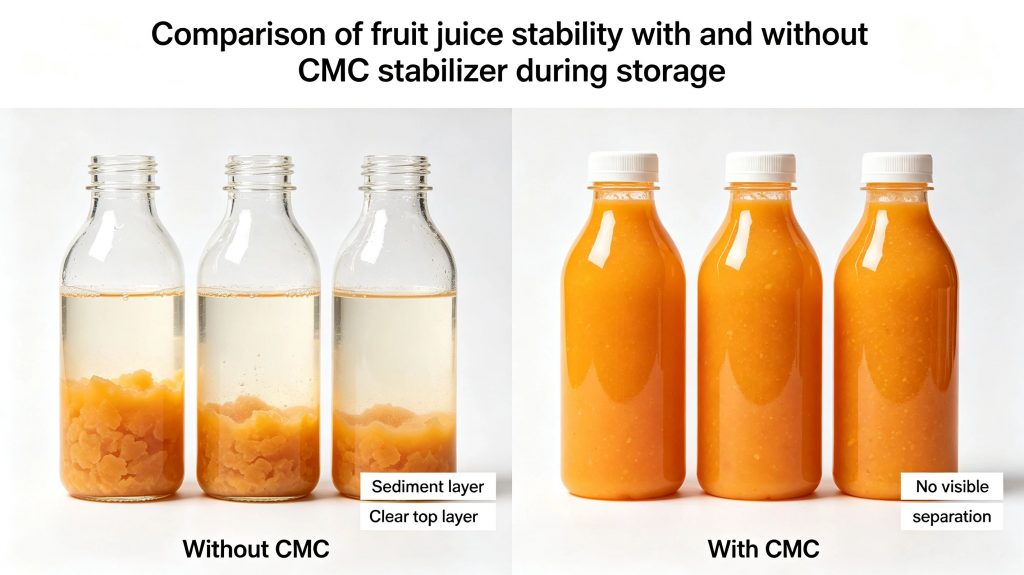
Figure 3. Fruit juice stability comparison with and without beverage-grade CMC
Without CMC, pulp gradually settles under gravity, producing serum separation and cloud loss. Properly hydrated CMC creates a support network that significantly delays sedimentation.
Optimizing hydration and homogenization typically produces greater improvements than increasing stabilizer dosage alone.
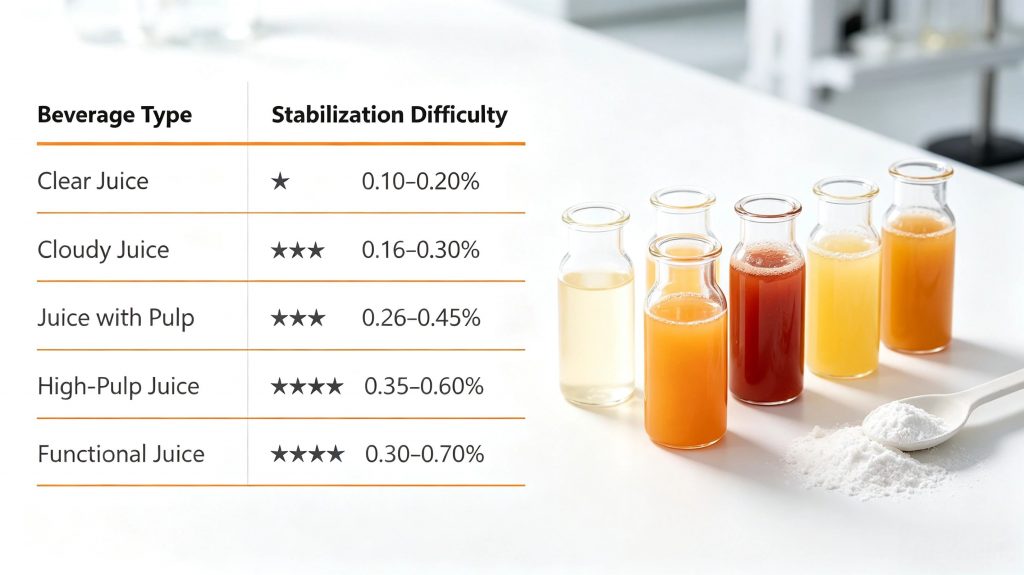
Figure 4. Typical CMC dosage ranges for different fruit beverage applications.
Required CMC dosage increases with fruit pulp content and insoluble solids. Higher particle loading requires stronger suspension support.
Always validate dosage through pilot-scale trials before commercial production.
| Beverage Type | Stabilization Difficulty | Typical CMC Dosage |
|---|---|---|
| Clear Juice | ★ | 0.10–0.20% |
| Cloudy Juice | ★★ | 0.15–0.30% |
| Juice with Pulp | ★★★ | 0.25–0.45% |
| High-Pulp Juice | ★★★★ | 0.35–0.60% |
| Functional Juice | ★★★★★ | 0.30–0.70% |
As particle size and insoluble solids increase, the beverage needs stronger structural support. Consequently, mango, peach, guava, and vegetable-fiber beverages generally require higher CMC dosages than clarified apple or grape juice.
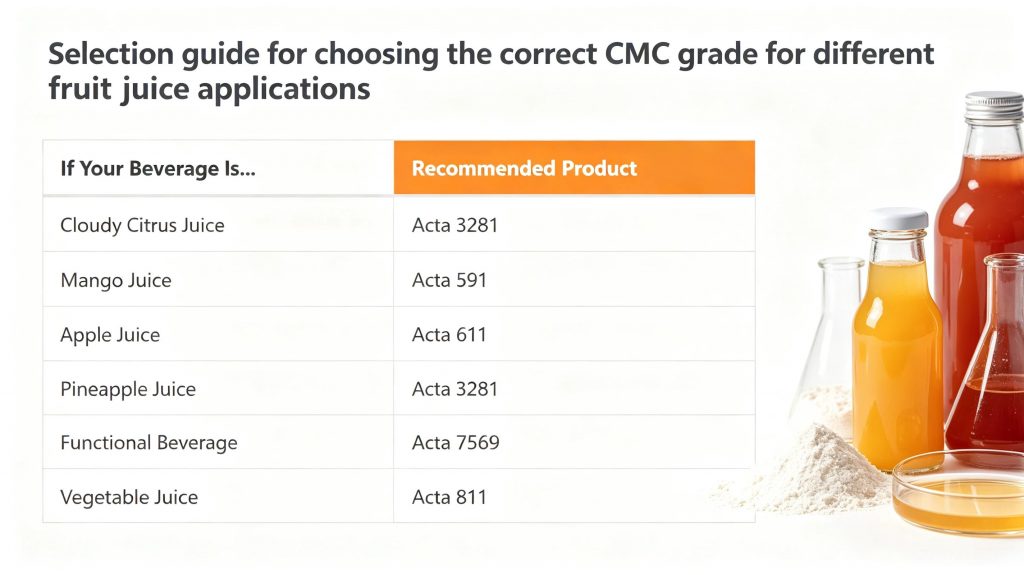
Figure 5. Decision guide for selecting beverage-grade CMC.
Selecting the proper CMC grade according to beverage type significantly shortens development time while reducing formulation risk.
Different fruit systems require different viscosity profiles rather than one universal stabilizer.
Because pulp content, acidity, and processing conditions vary widely between fruit types, selecting the right CMC grade and dosage is essential for every category.
Orange juice remains the largest global application for beverage-grade CMC. Since orange juice sits at pH 3.5–4.2 and must retain a bright, evenly distributed cloud, CMC increases serum viscosity while forming the network that supports suspended pulp without adding a heavy mouthfeel. Acta 3212 at 0.15–0.30% typically delivers a 9–12-month shelf life under pasteurization, UHT, or aseptic processing.
| Parameter | Recommendation |
|---|---|
| Recommended Product | Acta 3212 |
| Typical Dosage | 0.15–0.30% |
| Juice Type | Cloudy Orange Juice |
| pH Range | 3.5–4.2 |
| Processing | HTST / UHT |
| Hydration | 20–30 min |
| Homogenization | 18–22 MPa |
| Shelf Life | 9–12 Months |
For most cloudy orange juice formulations, Acta 3212 at 0.15–0.30% provides the best balance between cloud stability, pulp suspension, and a refreshing mouthfeel.
Need help stabilizing citrus beverages?
Our technical team can recommend the most suitable CMC grade based on pulp level and processing conditions.
Mango juice and nectar present tougher stabilization challenges because mango pulp particles are larger, denser, and naturally more viscous than citrus pulp. Their irregular particle size distribution increases the tendency for sedimentation during storage, especially in products with high fruit content. A medium-viscosity grade such as Acta 591, typically used at 0.25–0.45%, provides sufficient suspension while maintaining a smooth, drinkable texture without creating excessive thickness. Pre-blending CMC with sugar before hydration helps prevent lump formation and ensures rapid dispersion in high-solids mango formulations.
| Parameter | Recommendation |
|---|---|
| Recommended Product | Acta 591 |
| Typical Dosage | 0.25–0.45% |
| Suitable Beverage | Mango Juice / Mango Nectar |
| Fruit Content | 20–50% |
| pH Range | 3.8–4.5 |
| Processing | HTST / UHT |
| Hydration Time | 20–30 min |
| Homogenization | 18–22 MPa |
| Shelf Life | 9–12 Months |
For most commercial mango juice formulations, Acta 591 at 0.25–0.45% delivers reliable pulp suspension, excellent storage stability, and a smooth drinking experience.
Developing mango nectar?
Download our Mango Beverage Stabilization Guide.
Apple juice beverages generally require only light stabilization because consumers expect a clean, refreshing mouthfeel with low viscosity. In most formulations, CMC functions primarily to stabilize added dietary fiber, vitamins, minerals, or botanical ingredients rather than fruit pulp itself. Acta 611, applied at 0.08–0.20%, provides sufficient stability while preserving the beverage’s natural drinking characteristics.
| Parameter | Recommendation |
|---|---|
| Recommended Product | Acta 611 |
| Typical Dosage | 0.08–0.20% |
| Suitable Beverage | Apple Juice / Functional Apple Drinks |
| pH Range | 3.3–4.0 |
| Processing | HTST |
| Hydration Time | 15–20 min |
| Shelf Life | 6–12 Months |
For apple juice beverages, Acta 611 at 0.08–0.20% provides effective stabilization without compromising clarity or refreshment.
Pineapple juice contains coarse fruit particles and naturally occurring enzymes that may affect viscosity stability. To achieve consistent performance, CMC should be incorporated after enzyme inactivation. Acta 618, used at 0.20–0.40%, provides reliable suspension, minimizes particle settling, and maintains consistent viscosity throughout storage.
| Parameter | Recommendation |
|---|---|
| Recommended Product | Acta 618 |
| Typical Dosage | 0.20–0.40% |
| Suitable Beverage | Pineapple Juice |
| Processing | UHT |
| Hydration Time | 20–25 min |
| Shelf Life | 9–12 Months |
For pineapple juice applications, Acta 618 at 0.20–0.40% provides reliable suspension and improved storage performance.
Mixed fruit beverages combine fruits with different particle sizes, densities, and acidity levels, making stabilization significantly more complex than single-fruit formulations. Acta 3281, applied at 0.20–0.45%, forms a robust three-dimensional cellulose network capable of supporting diverse suspended particles while maintaining balanced viscosity across the formulation.
| Parameter | Recommendation |
|---|---|
| Recommended Product | Acta 3281 |
| Typical Dosage | 0.20–0.45% |
| Suitable Beverage | Mixed Fruit Juice |
| Processing | HTST / UHT |
| Hydration Time | 20–30 min |
| Shelf Life | 9–12 Months |
Acta 3281 is an excellent starting point for mixed-fruit beverages requiring stable suspension across multiple fruit systems.
Functional beverages fortified with dietary fiber, collagen, calcium, probiotics, or botanical extracts present one of the greatest stabilization challenges in modern beverage development. Acta 7569, used at 0.30–0.70%, provides the structural support needed to suspend multiple insoluble ingredients while maintaining smooth drinkability.
| Parameter | Recommendation |
|---|---|
| Recommended Product | Acta 7569 |
| Typical Dosage | 0.30–0.70% |
| Suitable Beverage | Functional Fruit Drinks |
| Processing | UHT |
| Shelf Life | 12 Months |
For functional fruit beverages, Acta 7569 provides long-term suspension stability while preserving consumer-preferred mouthfeel.
| If Your Beverage Is… | Recommended Product |
|---|---|
| Cloudy Citrus Juice | Acta 3281 |
| Mango Juice | Acta 591 |
| Apple Juice | Acta 611 |
| Pineapple Juice | Acta 618 |
| Mixed Fruit Juice | Acta 3281 |
| Functional Beverage | Acta 7569 |
| Vegetable Juice | Acta 811 |
Looking for better suspension in high-fiber beverages?
Talk with our Beverage Application Engineer.
Vegetable–fruit blends and tomato-based beverages contain coarse vegetable fibers that settle rapidly and often adhere to container walls during storage. Acta 811, applied at 0.35–0.60% in UHT processing, creates a strong suspension network that minimizes sedimentation, reduces ring formation, and maintains a homogeneous appearance throughout a typical 12-month shelf life.
| Parameter | Recommendation |
|---|---|
| Recommended Product | Acta 811 |
| Typical Dosage | 0.35–0.60% |
| Suitable Beverage | Tomato Juice / Vegetable–Fruit Blends |
| Processing | UHT |
| Homogenization | 20–25 MPa |
| Shelf Life | 12 Months |
Acta 811 at 0.35–0.60% helps vegetable-based beverages maintain consistent appearance, suspension stability, and shelf-life performance.
Never increase CMC dosage before checking homogenization efficiency. Poor particle size distribution often causes sedimentation more than insufficient stabilizer.
Always hydrate CMC completely before adding fruit concentrate or sugar syrup. Proper hydration ensures maximum viscosity development and suspension performance.
Pilot-test the complete formulation rather than individual ingredients. Protein, fiber, minerals, and pulp interact differently in commercial beverages than in simplified laboratory systems.
| Fruit Beverage | Cloud Stability Requirement | Recommended CMC Grade | Dosage |
|---|---|---|---|
| Orange Juice | Very High | Acta 3212 | 0.15–0.30% |
| Mango Juice | Extremely High | Acta 591 | 0.25–0.45% |
| Apple Juice | Medium | Acta 611 | 0.08–0.20% |
| Pineapple Juice | High | Acta 618 | 0.20–0.40% |
| Mixed Fruit Juice | High | Acta 3281 | 0.20–0.45% |
| Functional Beverage | Extremely High | Acta 7569 | 0.30–0.70% |
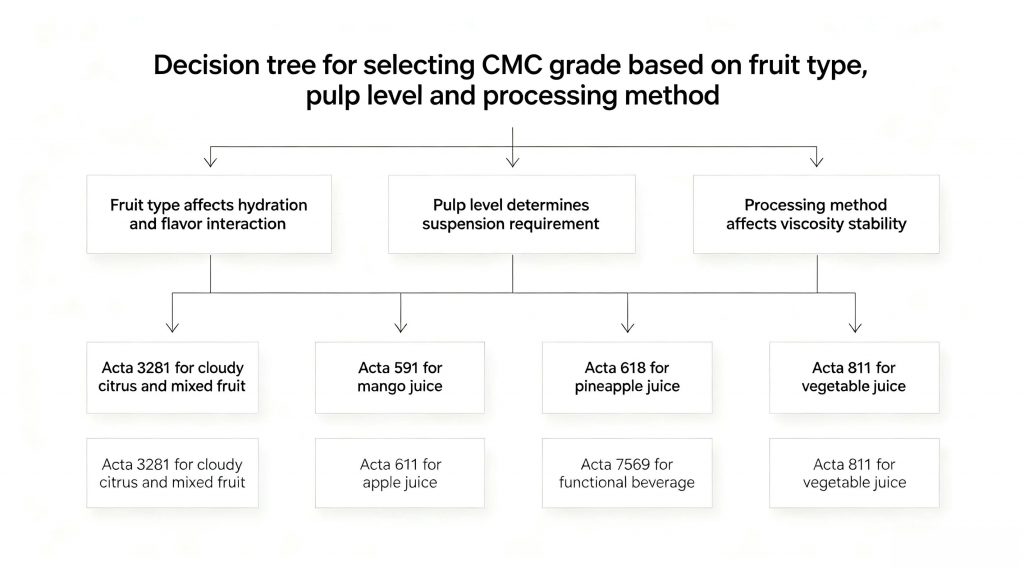
Figure 6. Decision tree for beverage formulators selecting CMC.
A structured selection process improves formulation efficiency and minimizes unnecessary pilot trials.
Consider pulp level, pH, shelf life and processing simultaneously.
Selecting CMC for fruit juice is not simply a matter of picking a higher or lower viscosity number. Instead, formulators should evaluate the complete beverage system through five practical steps.
Step 1 — Identify the juice type. Clear, cloudy, pulp, high-pulp, and functional juices each demand a different dosage tier, as summarized in the table above.
Step 2 — Evaluate pulp content. Higher pulp levels accelerate sedimentation because larger particles settle faster under Stokes’ Law, so pulp concentration should drive both grade and dosage selection.
Step 3 — Consider beverage pH. Because most fruit juices range from pH 2.8 to 4.5, and lower pH accelerates hydrolysis in many hydrocolloids, choosing a CMC grade with proven acid resistance protects long-term viscosity.
| pH Range | Beverage Type | Recommendation |
|---|---|---|
| 2.8–3.3 | Citrus Juice | Medium viscosity CMC |
| 3.3–3.8 | Apple Juice | Low dosage |
| 3.8–4.5 | Mango Juice | Medium dosage |
| >4.5 | Vegetable Beverage | High suspension grade |
Step 4 — Match the processing method. UHT processing above 135°C demands stronger thermal stability than HTST or cold-fill processes, so aseptic and UHT lines typically call for Acta CM-02 or CM-03 rather than lighter grades.
Step 5 — Define the target mouthfeel. A grade that is too viscous produces an artificial texture, while one that is too light fails to prevent sedimentation, so balancing stability against sensory performance remains the ultimate formulation goal.
| If Your Beverage Is… | Choose |
|---|---|
| Clear Juice | Acta 3212 |
| Orange Juice | Acta 3212 |
| Juice with Pulp | Acta 611 |
| Mango / Guava / Peach | Acta 591 |
| Functional Juice | Acta 7569 |
| Vegetable Juice | Acta 811 |
| Process | Recommended Grade | Typical Dosage | Notes |
|---|---|---|---|
| Cold Fill | Acta 3212 | 0.10–0.20% | Light stabilization |
| HTST | Acta 591 | 0.20–0.35% | Standard juice |
| UHT | Acta 618 | 0.25–0.45% | Excellent heat stability |
| Aseptic | Acta 7569 | 0.30–0.60% | Long shelf life |
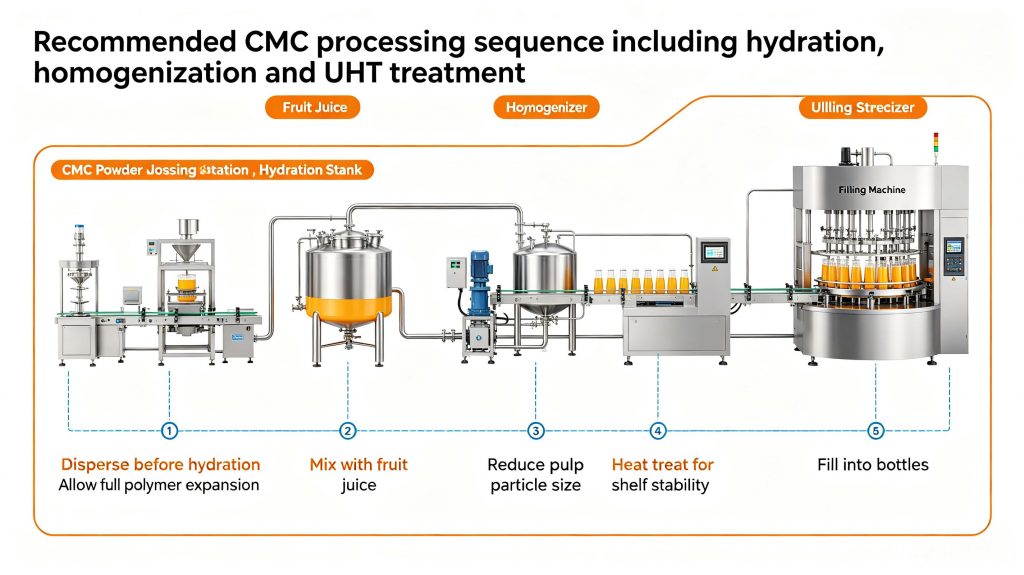
Even the correct CMC grade underperforms if processing conditions are wrong, so manufacturers should control four production stages carefully.
Hydration matters most. Dry-blending CMC with sugar at roughly a 1:5–1:10 ratio before adding it to water under continuous agitation prevents lumping, and allowing 20–30 minutes of hydration at 25–50°C ensures the polymer fully unfolds before it meets juice concentrate or other ingredients.
Homogenization then reduces particle size and distributes pulp evenly, which amplifies CMC’s effectiveness. Citrus juice typically runs at 15–20 MPa, pulpy juice at 18–25 MPa, and functional beverages at 20–30 MPa; skipping this step, or under-homogenizing, is one of the most frequent causes of poor suspension.
Heat treatment should follow only after complete hydration, since properly hydrated CMC retains its viscosity through HTST (90–95°C, 15–30 seconds), UHT (135–140°C, 3–6 seconds), or aseptic filling far better than CMC added directly into hot syrup.
| Water Temperature | Hydration Time |
|---|---|
| 20°C | 60 min |
| 40°C | 35 min |
| 60°C | 20 min |
| 80°C | 15 min |
Finally, quality verification should confirm appearance uniformity, minimal sedimentation, target viscosity, smooth mouthfeel, and passing shelf-life results before any formulation moves to commercial scale. Because small dosage changes of just ±0.05% can noticeably shift viscosity and suspension performance, pilot-scale validation always pays for itself before full production.
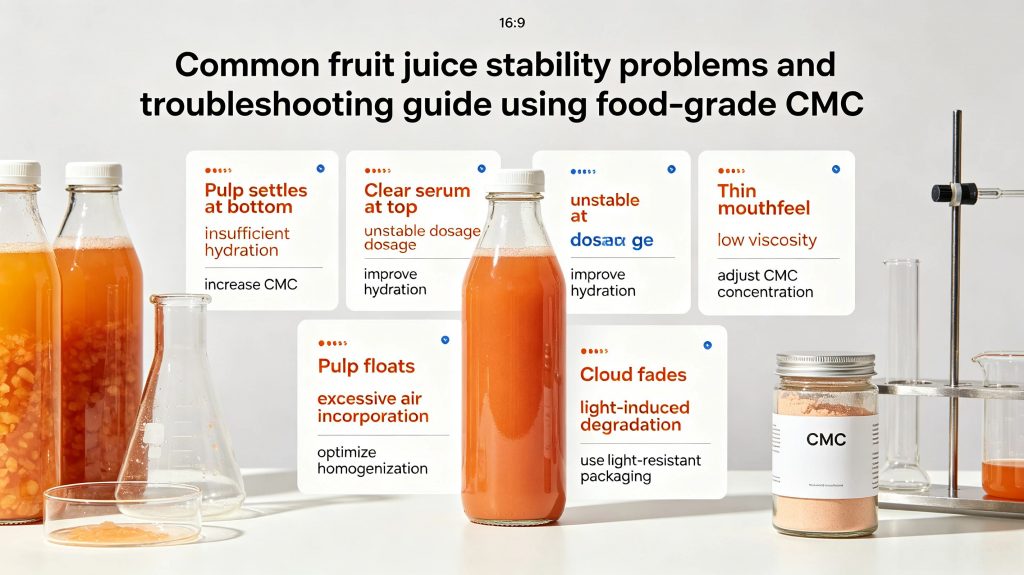
Figure 8. Common stability defects and corrective actions.
Most commercial beverage problems originate from incomplete hydration or inadequate homogenization rather than incorrect dosage.
Check processing parameters before changing formulation.
Even well-designed formulations run into stability issues during scale-up, but most problems trace back to a short list of root causes.
| Problem | Most Likely Cause | Recommended Fix |
|---|---|---|
| Pulp sedimentation | Dosage too low or incomplete hydration | Increase CMC by 0.05–0.10% and hydrate 20–30 minutes |
| Serum separation | Weak suspension network | Upgrade to a higher-viscosity grade and optimize homogenization |
| Cloud loss | Particle aggregation | Improve dispersion and homogenization pressure |
| Excessive viscosity | Overdosing | Reduce dosage by 10–20% or switch to a lighter grade |
| Fish eyes | Poor hydration | Pre-blend CMC with sugar before adding to water |
| Viscosity loss after UHT | Low thermal stability or poor hydration | Select a beverage-grade CMC and hydrate fully before heat treatment |
Because these fixes interact, formulators should never simply add more stabilizer to mask a processing problem. Correct hydration and homogenization almost always outperform a higher dosage, and evaluating CMC alongside pulp size, °Brix, and pH consistently produces better long-term results than adjusting the stabilizer in isolation.
Running through this checklist before adjusting the formula saves both time and raw material cost, since most “sedimentation” complaints trace back to processing rather than an inherently wrong dosage.
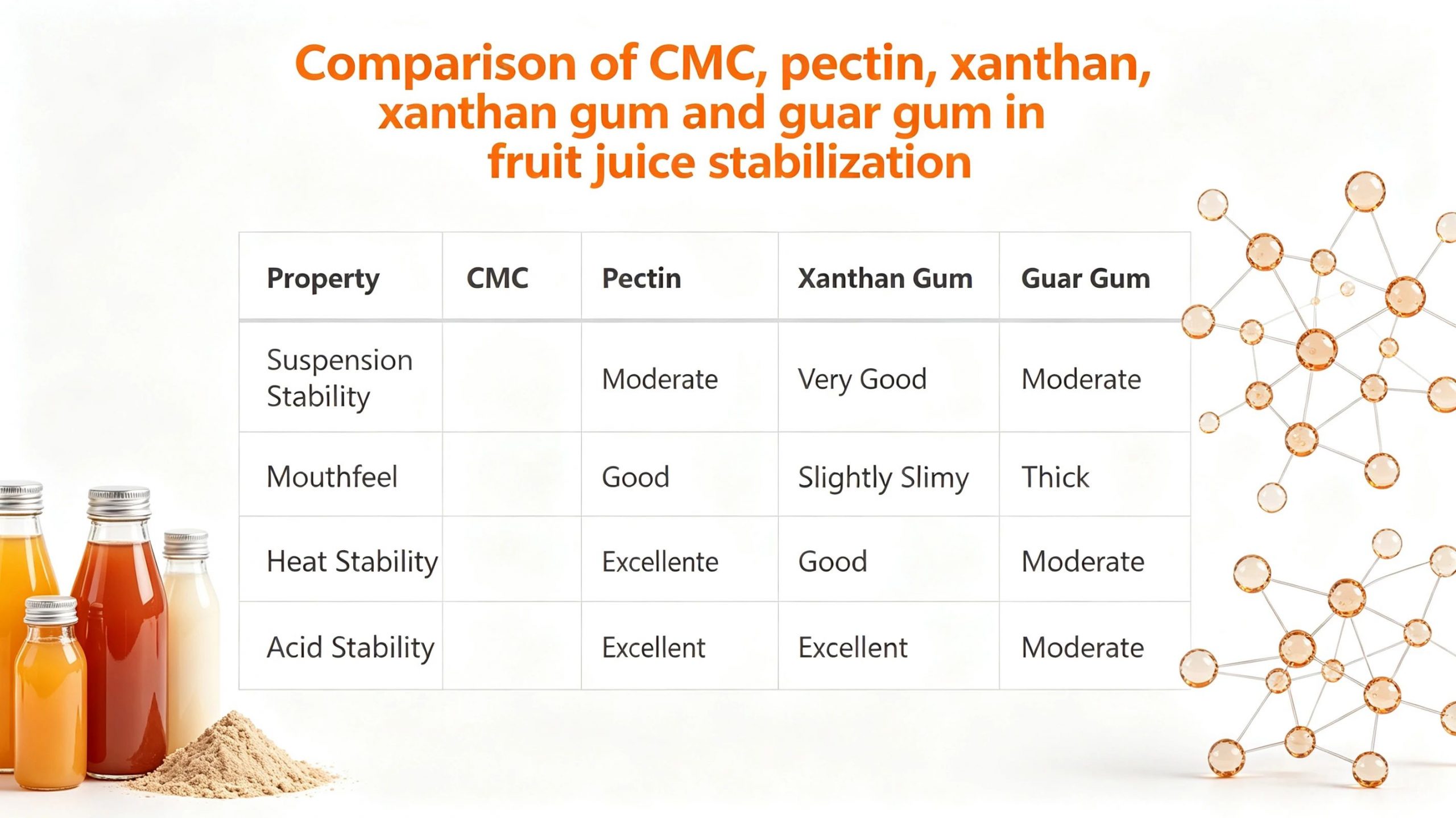
No single hydrocolloid solves every formulation challenge, so understanding how CMC compares with common alternatives helps formulators choose wisely.
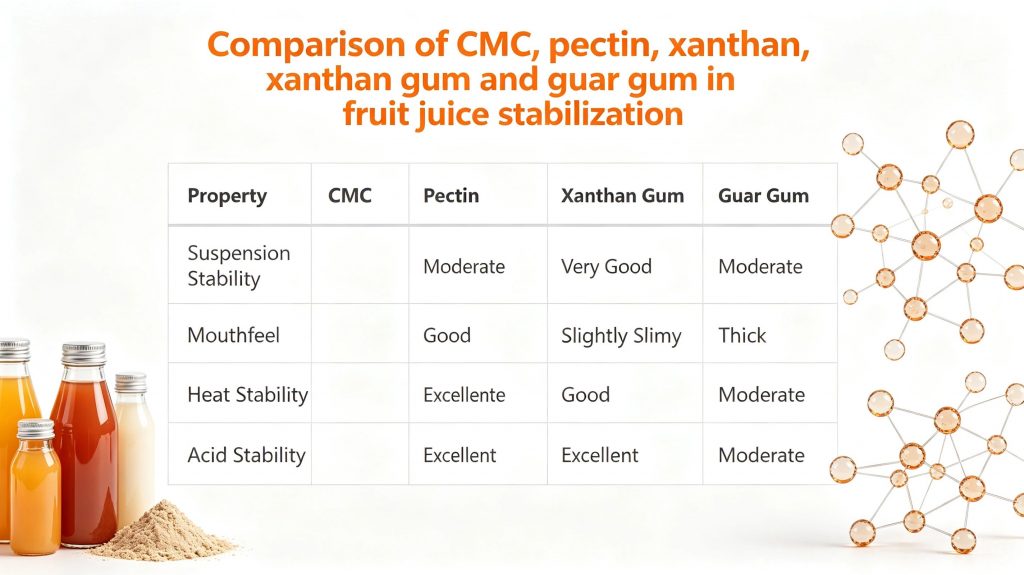
Figure 9. Comparison of common hydrocolloids for fruit juice stabilization.
Each hydrocolloid offers different advantages, but CMC provides one of the best balances between suspension stability, mouthfeel and heat resistance.
Many premium beverages combine CMC with pectin or xanthan gum to optimize texture.
| Property | CMC | Pectin | Xanthan Gum | Guar Gum |
|---|---|---|---|---|
| Suspension Stability | Excellent | Moderate | Very Good | Moderate |
| Mouthfeel | Smooth | Good | Slightly Slimy | Thick |
| Heat Stability | Excellent | Moderate | Good | Moderate |
| Acid Stability | Good | Excellent | Excellent | Moderate |
Pectin works well in clean-label citrus beverages because consumers recognize it as fruit-derived, yet its functionality depends heavily on sugar and calcium levels, so it offers less formulation flexibility than CMC. Xanthan gum generates high viscosity at low concentrations, but excessive dosing often creates a slimy texture that fruit juice drinkers dislike, whereas CMC delivers comparable suspension with a cleaner mouthfeel. Guar gum hydrates quickly and costs less, yet its weaker suspension performance and heavier texture make it better suited to smoothies than to clear or cloudy fruit juice. Because CMC combines strong suspension, smooth sensory quality, and excellent processing compatibility, it remains the most broadly applicable stabilizer for shelf-stable, UHT, and high-pulp fruit beverages — though many premium formulations still blend CMC with a small amount of pectin or xanthan gum to fine-tune texture.
Across typical beverage-development projects, three patterns repeat consistently. First, an orange juice with 8% pulp initially destabilized within six weeks because the assigned CMC grade carried too little viscosity and received only 18 minutes of hydration; switching to Acta 3212 at 0.30%, extending hydration to 25 minutes, and raising homogenization pressure to 20 MPa resolved the sedimentation and restored a uniform 12-month shelf life. Second, a 35% mango puree nectar kept sedimenting after two months under a generic food gum; replacing it with Acta 591 at 0.50%, tightening particle-size distribution, and extending hydration before heat treatment produced a smooth, visually stable product. Third, a functional mixed-fruit beverage fortified with fiber, vitamins, and calcium suffered fine-particle sedimentation and viscosity loss after heat treatment; optimizing the complete system — grade, hydration efficiency, homogenization, and ingredient sequencing — rather than adjusting dosage alone delivered consistent, export-ready stability.
These cases share one lesson above all others: higher dosage rarely fixes a stability problem on its own. Because hydration quality and homogenization pressure influence performance just as strongly as the CMC grade itself, formulators achieve the fastest, most reliable results by optimizing the entire system together.
Want similar results?
Request a free formulation evaluation.
| Parameter | Recommendation |
|---|---|
| Product | Acta 3212 |
| Dosage | 0.35% |
| Process | UHT |
| Result | Stable for 12 Months |
Our application engineers recommend starting pilot production using the formulation parameters above and optimizing dosage according to fruit solids, pulp content, and target viscosity.
Selecting the correct grade solves only part of the challenge, since supplier reliability ultimately determines whether that performance repeats batch after batch. A trustworthy supplier should therefore provide complete documentation — Technical Data Sheet, Certificate of Analysis, Safety Data Sheet, Halal and Kosher certificates where required, and HACCP, ISO 9001, or BRCGS/FSSC 22000 compliance — because these certifications confirm both food safety and export readiness.
Beyond paperwork, technical support often determines the true cost of an ingredient. A supplier who helps troubleshoot hydration issues, recommend dosage adjustments, and optimize homogenization frequently saves more money than the cheapest raw CMC on the market. Consistent batch-to-batch quality, dependable lead times, and export experience round out the criteria that separate a reliable long-term partner from a low-cost, high-risk supplier. Before committing to commercial volumes, always validate the selected grade through a structured pilot trial that checks suspension stability, viscosity, mouthfeel, and accelerated shelf-life performance.
| Shelf Life | Dosage |
|---|---|
| 3 Months | 0.15–0.20% |
| 6 Months | 0.20–0.30% |
| 9 Months | 0.25–0.40% |
| 12 Months | 0.30–0.50% |
Use this quick checklist before signing a commercial agreement:
Because switching suppliers mid-production can disrupt an entire product line, running this checklist before the first commercial order — rather than after a stability failure — protects both timeline and budget.
CMC works as a stabilizer, thickener, and suspending agent that prevents pulp sedimentation, maintains cloud stability, and extends shelf life without altering the juice’s natural flavor.
Yes. Regulatory authorities in the United States, the European Union, and China approve food-grade CMC for beverage use within applicable limits, and it has a long history of safe application in juices, dairy drinks, and sauces.The European Food Safety Authority (EFSA) has also evaluated CMC for food applications.
Dosage typically ranges from 0.10% in clear juice up to 0.70% in functional beverages, though pilot-scale trials should always confirm the optimal level for a specific formulation.
No. At normal application levels, food-grade CMC remains essentially tasteless and odorless, so it improves texture and stability without masking flavor or aroma.
Not always. Pectin suits clean-label citrus products, but CMC generally provides better suspension stability, thermal resistance, and processing flexibility, and many formulators combine the two to balance stability with mouthfeel.
Yes. Beverage-grade CMC performs reliably under UHT and aseptic processing, provided the powder receives complete hydration before heat treatment.
Yes. Formulators frequently blend CMC with pectin, xanthan gum, or guar gum to fine-tune suspension, viscosity, and sensory quality for specific beverage styles.
CMC starts from natural cellulose, typically derived from wood pulp or cotton, and is then chemically modified to add carboxymethyl groups. Because of this modification step, most regulatory frameworks classify it as a food additive rather than a natural ingredient, even though its backbone originates from a plant source.
Yes. Food-grade CMC contains no animal-derived material and no gluten, which makes it compatible with vegan, vegetarian, and gluten-free product claims when the rest of the formulation also qualifies.
Food-grade CMC is registered internationally as E466. Regulatory bodies in the United States, the European Union, and China all permit its use in beverages within specified limits.
Not entirely, and no stabilizer can promise permanent suspension over unlimited time. Instead, CMC dramatically slows sedimentation, cloud loss, and serum separation so the beverage stays visually stable throughout its intended commercial shelf life.
Yes, though smoothies often benefit from a higher-viscosity grade such as Acta CM-03 combined with guar gum, since these thicker beverages need both suspension support and a rich, spoonable texture.
Because CMC delivers strong suspension performance at relatively low dosage levels, it typically offers excellent cost-in-use even when its per-kilogram price sits above cheaper thickeners like guar gum or starch, since manufacturers need less of it to achieve the same stability.
Still have questions?
Contact our technical specialists for customized formulation recommendations.
The following formulation cards summarize practical starting points for common fruit juice applications. They are intended as reference formulations for pilot-scale development. Final dosage and processing parameters should always be optimized according to fruit solids, pulp content, processing conditions, and desired shelf life.
| Item | Recommendation |
|---|---|
| Recommended Product | Acta 3212 |
| Beverage Type | Cloudy Orange Juice |
| Typical Dosage | 0.15–0.30% |
| Fruit Content | 10–30% |
| pH Range | 3.5–4.2 |
| Hydration | 20–30 min |
| Homogenization | 18–22 MPa |
| Processing | HTST / UHT |
| Shelf Life | 9–12 Months |
| Cloud Stability | Excellent |
| Mouthfeel | Smooth |
| Sample | Available |
Excellent cloud stability
Uniform pulp suspension
Smooth drinking experience
Bright appearance throughout storage
Learn more about Acta 3212 for citrus beverage stabilization.
| Item | Recommendation |
|---|---|
| Recommended Product | Acta 591 |
| Beverage Type | Mango Juice / Nectar |
| Typical Dosage | 0.25–0.45% |
| Fruit Content | 20–50% |
| pH Range | 3.8–4.5 |
| Hydration | 20–30 min |
| Homogenization | 18–22 MPa |
| Processing | HTST / UHT |
| Shelf Life | 9–12 Months |
| Suspension | Excellent |
| Mouthfeel | Creamy |
Excellent suspension for heavy mango pulp
Stable viscosity during storage
Reduced sedimentation
Smooth mouthfeel
| Item | Recommendation |
|---|---|
| Recommended Product | Acta 611 |
| Beverage Type | Apple Juice |
| Typical Dosage | 0.08–0.20% |
| pH Range | 3.3–4.0 |
| Hydration | 15–20 min |
| Processing | HTST |
| Shelf Life | 6–12 Months |
Light viscosity
Fresh mouthfeel
Stabilizes added fiber
Maintains beverage clarity
| Item | Recommendation |
|---|---|
| Recommended Product | Acta 618 |
| Beverage Type | Pineapple Juice |
| Typical Dosage | 0.20–0.40% |
| Hydration | 20–25 min |
| Process | UHT |
| Shelf Life | 9–12 Months |
Stable viscosity
Good enzyme resistance
Reduced particle settling
| Item | Recommendation |
|---|---|
| Recommended Product | Acta 3281 |
| Beverage Type | Mixed Fruit Beverage |
| Typical Dosage | 0.20–0.45% |
| Process | HTST / UHT |
| Shelf Life | 9–12 Months |
Multi-fruit compatibility
Excellent cloud stability
Uniform particle suspension
| Item | Recommendation |
|---|---|
| Recommended Product | Acta 7569 |
| Beverage Type | Functional Fruit Beverage |
| Typical Dosage | 0.30–0.70% |
| Fiber | High |
| Processing | UHT |
| Shelf Life | 12 Months |
Supports fiber suspension
Stabilizes vitamins and minerals
Smooth mouthfeel
Long-term stability
| Item | Recommendation |
|---|---|
| Recommended Product | Acta 811 |
| Beverage Type | Tomato / Vegetable Juice |
| Typical Dosage | 0.35–0.60% |
| Hydration | 20–30 min |
| Homogenization | 20–25 MPa |
| Processing | UHT |
| Shelf Life | 12 Months |
Stable vegetable fiber suspension
Reduced bottle ring formation
Uniform appearance
Excellent storage stability
| Beverage | Product | Dosage | Process | Shelf Life |
|---|---|---|---|---|
| Orange Juice | Acta 3212 | 0.15–0.30% | HTST/UHT | 9–12 Months |
| Mango Juice | Acta 591 | 0.25–0.45% | HTST/UHT | 9–12 Months |
| Apple Juice | Acta 611 | 0.08–0.20% | HTST | 6–12 Months |
| Pineapple Juice | Acta 618 | 0.20–0.40% | UHT | 9–12 Months |
| Mixed Fruit | Acta 3281 | 0.20–0.45% | HTST/UHT | 9–12 Months |
| Functional Beverage | Acta 7569 | 0.30–0.70% | UHT | 12 Months |
| Vegetable Juice | Acta 811 | 0.35–0.60% | UHT | 12 Months |
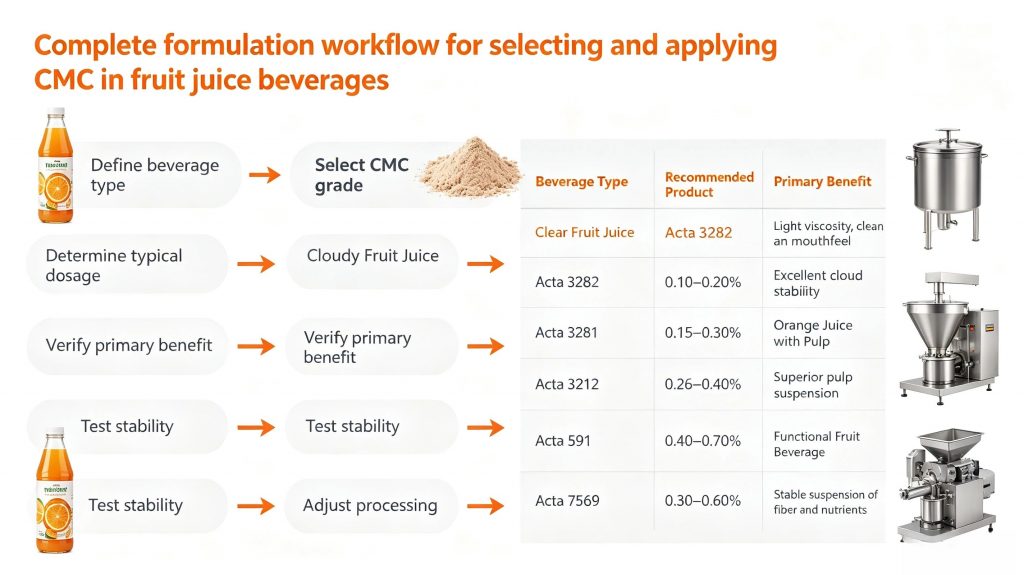
Throughout this guide, one theme stands out: CMC in fruit juice succeeds because it builds a structured suspension network rather than simply thickening the liquid. From clear apple juice to high-pulp mango nectar and fiber-fortified functional drinks, matching the right grade, dosage, hydration procedure, and processing condition to each beverage type consistently delivers a longer shelf life, a brighter cloud, and a smoother drinking experience.
| Beverage Type | Recommended Product | Typical Dosage | Primary Benefit |
|---|---|---|---|
| Clear Fruit Juice | Acta 3282 | 0.10–0.20% | Light viscosity, clean mouthfeel |
| Cloudy Fruit Juice | Acta 3281 | 0.15–0.30% | Excellent cloud stability |
| Orange Juice with Pulp | Acta 3212 | 0.25–0.40% | Superior pulp suspension |
| Tropical Fruit Nectar | Acta 591 | 0.40–0.70% | Supports heavy fruit particles |
| Functional Fruit Beverage | Acta 7569 | 0.30–0.60% | Stable suspension of fiber and nutrients |
Because every formulation carries its own combination of pulp level, acidity, and processing conditions, manufacturers get the fastest, most reliable results by validating dosage through pilot trials rather than relying on theoretical calculations alone. Our beverage application specialists can recommend the most suitable CMC grade, dosage range, and processing parameters based on your fruit type, pulp content, target viscosity, and shelf-life requirements.
Need Technical Support?
Whether you are developing a cloudy juice, fruit nectar, functional beverage, or high-fiber drink, our beverage application engineers can recommend the most suitable CMC grade, dosage, and processing parameters based on your formulation.
Free Sample
Formula Optimization
Technical Consultation
Processing Recommendations
