

Choosing a reliable hydroxyethyl methyl cellulose supplier is critical for ensuring consistent performance in construction formulations.Looking for a reliable hydroxyethyl methyl cellulose (HEMC) supplier?
Hydroxyethyl methyl cellulose is a type of cellulose ether widely used in construction materials.HEMC (also known as MHEC) is widely used in tile adhesive, dry mix mortar, gypsum plaster, and wall putty formulations. The right viscosity grade directly affects water retention, workability, and bonding strength.
Explore our HEMC viscosity grades for tile adhesive and mortar applications
In this guide, you will learn:
We also provide industrial-grade HEMC for global construction applications.
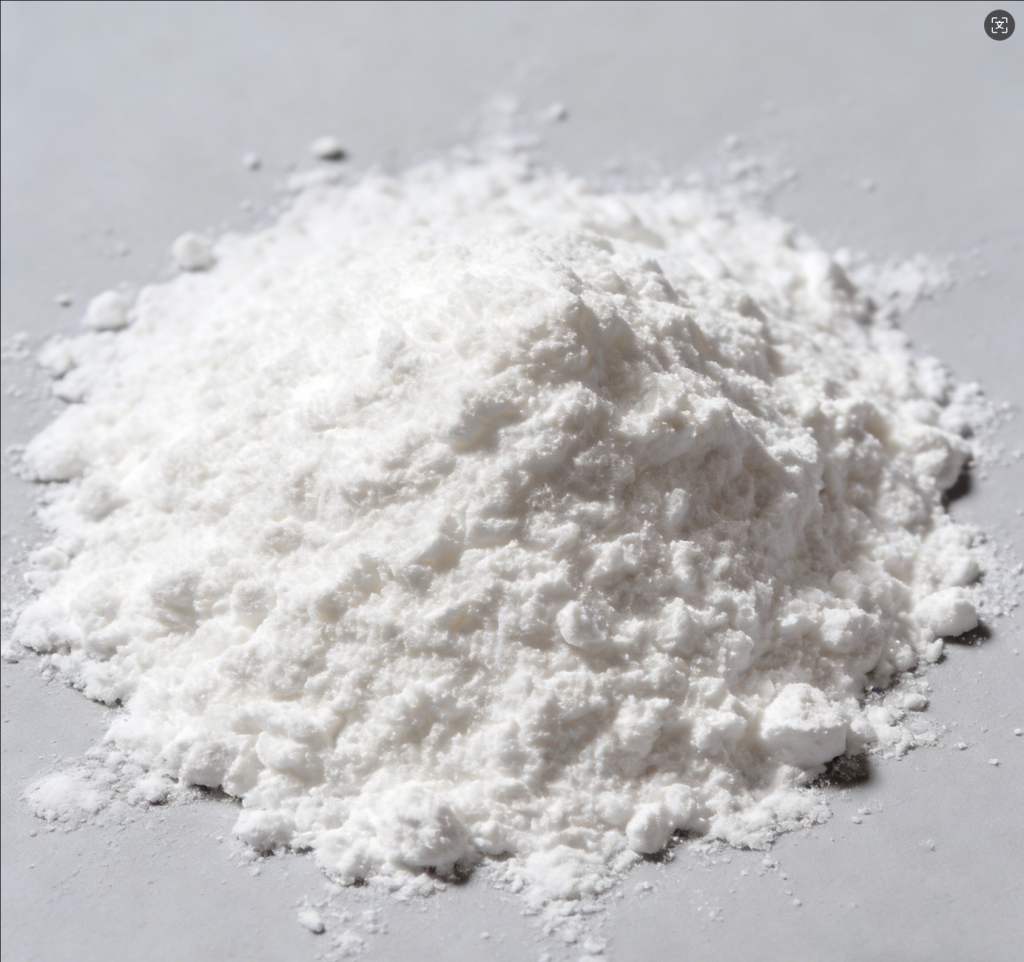
Hydroxyethyl Methyl Cellulose (HEMC), also widely referred to as MHEC (Methyl Hydroxyethyl Cellulose), is a non-ionic, water-soluble cellulose ether produced through the chemical modification of natural alpha-cellulose. The manufacturing process involves reacting purified cellulose with methyl chloride and ethylene oxide under controlled alkaline conditions, introducing both methyl and hydroxyethyl substituent groups onto the cellulose backbone.
The result is a white to off-white powder that dissolves readily in cold water to form a clear, stable, viscous solution. Unlike ionic cellulose derivatives, HEMC’s non-ionic character means its performance is not compromised by the presence of electrolytes, pH variation, or mineral salts commonly found in cement and gypsum-based systems. This chemical stability in alkaline environments is one of the primary reasons HEMC has become the preferred cellulose ether for demanding construction applications.
Key physicochemical properties that define HEMC performance include:
Degree of substitution (DS) — the average number of methyl groups per anhydroglucose unit, which governs solubility temperature and gelation behavior. Molar substitution (MS) — the average number of hydroxyethyl groups, which influences water solubility, compatibility with other additives, and solution clarity. Viscosity grade — the most commercially significant variable, determining rheological behavior, water retention efficiency, and open time in the final formulation.
Understanding these parameters is not merely academic — they are the variables that determine whether your tile adhesive passes slip resistance testing, whether your gypsum plaster achieves the required open time in hot weather, and whether your dry mix mortar maintains workability throughout a full application cycle.
The performance of cellulose ethers in cement systems has been widely studied in material science research, particularly regarding water retention and rheology behavior (cellulose ether properties).
Hydroxyethyl Methyl Cellulose (HEMC) is one of the most critical performance additives in modern construction chemistry — yet choosing the wrong viscosity grade or supplier can silently undermine the performance of your entire formulation.
HEMC is widely used in tile adhesive, dry mix mortar, gypsum plaster, and wall putty systems. The right grade directly determines:
This guide covers everything a formulator, procurement manager, or construction materials manufacturer needs to know: what HEMC is, how it compares to HPMC, how to select the correct viscosity grade for your application, and what to look for in a reliable HEMC supplier.
The construction industry accounts for the dominant share of global HEMC consumption, driven by the additive’s unique combination of water retention, rheology modification, and compatibility with mineral binders. HEMC applications span the full range of dry mix formulations, with performance requirements that vary significantly by system type.
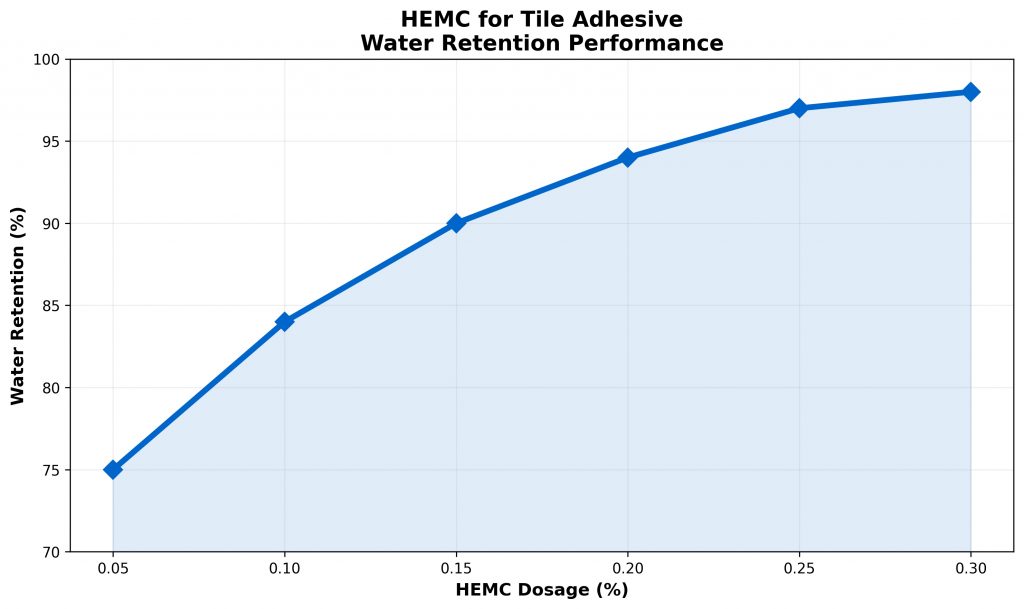
In ceramic and porcelain tile adhesive formulations, HEMC serves as the primary functional additive responsible for three critical performance parameters. First, it extends open time — the window during which the adhesive surface remains workable and capable of achieving full bond with the tile back — by retarding water loss from the cement matrix through evaporation and substrate absorption. Second, HEMC provides slip resistance, preventing tiles from sliding down vertical surfaces after placement by building sufficient thixotropic structure in the adhesive mortar. Third, it contributes to bonding strength by ensuring uniform hydration of cementitious components throughout the adhesive layer.
For standard ceramic tile applications, medium-viscosity HEMC grades in the 20,000–40,000 mPa·s range are typically specified. For large-format tiles or natural stone where extended open time is critical, higher viscosity grades may be appropriate.
In tile adhesive formulations, cellulose ethers are essential for improving open time and adhesion performance, as widely recognized in construction material standards and technical literature.
HEMC for dry mix mortar functions primarily as a water retention agent, preventing premature water loss to absorbent substrates such as aerated concrete blocks, calcium silicate boards, and fired brick. In the absence of adequate water retention, hydration of the cementitious binder is incomplete, resulting in reduced compressive strength, increased porosity, and a higher risk of substrate delamination or surface cracking.
Beyond water retention, HEMC in dry mix mortar improves workability consistency across varying application temperatures and substrate absorption rates — a particularly important property for products intended for use across diverse climatic zones. The addition of HEMC also reduces sagging in thick-bed applications and improves the spreadability of the mixed mortar across the substrate surface.
Gypsum-based systems present a distinct formulation challenge because gypsum sets through a rapid crystallization process rather than hydraulic hardening. HEMC in gypsum plaster serves to extend the working time of the mixed plaster, allowing sufficient time for application, leveling, and surface finishing before set begins. It also improves the consistency of the plaster mix, reducing separation and ensuring uniform distribution of the mineral filler.
In machine-applied gypsum plaster systems, HEMC must be carefully selected for compatibility with the pumping equipment — typically requiring grades with defined rheological profiles that deliver smooth flow under mechanical pressure without separation or lump formation.
In Exterior Insulation and Finish Systems (EIFS) and interior wall putty formulations, HEMC contributes to adhesion, surface finish quality, and crack resistance. The hydroxyethyl substitution in HEMC provides slightly enhanced compatibility with polymer-modified systems compared to standard HPMC, making it a preferred choice for formulations that incorporate styrene-acrylic or vinyl acetate-ethylene dispersions as co-binders.
Viscosity is the most commercially important parameter in HEMC specification, and selecting the correct grade for your application is essential to achieving the performance targets defined in your formulation brief. When working with a professional hydroxyethyl methyl cellulose supplier, viscosity consistency becomes a key quality indicator.Viscosity in HEMC is measured at a defined concentration (typically 2% aqueous solution) using a Brookfield or Haake rotational viscometer at 20°C.
| Viscosity Grade | Range (mPa·s) | Recommended Application |
|---|---|---|
| Low viscosity | 10,000 – 20,000 | Gypsum plaster, spray render, machine plaster |
| Medium viscosity | 20,000 – 40,000 | Tile adhesive, standard dry mix mortar |
| High viscosity | 40,000 – 75,000 | High-performance mortar, thick-bed adhesive |
| Ultra-high viscosity | 75,000 + | Specialty construction, high water retention systems |
The relationship between viscosity and formulation performance is not linear across all parameters. Higher viscosity grades deliver superior water retention and are particularly valuable in hot, dry climates or on highly absorbent substrates. However, excessively high viscosity can impair workability, reduce spreadability, and create difficulty in machine application systems. Lower viscosity grades improve workability and flow but may require higher dosage rates to achieve equivalent water retention performance.
Dosage rate is the secondary variable that interacts with viscosity selection. Typical HEMC addition levels in construction formulations range from 0.1% to 0.5% by weight of dry mix, depending on viscosity grade, substrate conditions, and performance requirements. Formulators should always conduct application trials under representative site conditions before finalizing grade and dosage in a new system.
In addition to viscosity, particle size and dissolution speed are critical specification parameters for machine-mixed systems. Delayed dissolution grades — surface-treated to retard hydration until the dry mix is combined with water — prevent lump formation and ensure uniform distribution throughout the mixed mortar, which is particularly important in continuous mixer applications.
Choosing the correct HEMC viscosity grade is essential for balancing water retention and workability.
The comparison between HEMC and Hydroxypropyl Methylcellulose (HPMC) is one of the most common technical questions in construction chemical formulation. Both are non-ionic cellulose ethers with water retention and rheology modification functions, but they differ in substitution chemistry, performance characteristics, and optimal application domains.
| Property | HEMC | HPMC |
|---|---|---|
| Chemical substituents | Methyl + Hydroxyethyl | Methyl + Hydroxypropyl |
| Water retention | Excellent | Good |
| Workability | Smoother, more plastic feel | Stable, slightly stiffer |
| Alkaline stability | Excellent | Excellent |
| Thermal gelation | Slightly higher gel point | Standard gel point |
| Primary application | Construction materials | Construction + pharmaceutical |
| Compatibility with polymer dispersions | Very good | Good |
The hydroxyethyl group in HEMC imparts a slightly more hydrophilic character compared to the hydroxypropyl group in HPMC. In practical terms, this translates to marginally superior water retention in cement-based systems and better compatibility with polymer-modified formulations, particularly at elevated temperatures. HEMC also exhibits a slightly higher thermal gelation temperature in some grades, which can be advantageous in summer application conditions where gel formation at elevated temperatures is a concern.
HPMC, on the other hand, is the preferred choice where pharmaceutical-grade compliance is required — for example, in HPMC for construction applications and pharmaceutical film coating, capsule shell, and ophthalmic formulations. For pure construction applications, HEMC and HPMC are often interchangeable at equivalent viscosity grades, with the final selection depending on regional availability, cost, and specific formulation performance requirements.
From a procurement perspective, formulators sourcing cellulose derivatives products for construction systems should evaluate both HEMC and HPMC on a performance-per-cost basis under their specific application conditions rather than assuming categorical superiority of either product.
In a commodity market where multiple suppliers offer nominally equivalent HEMC grades, the differentiating factors that determine formulation performance and supply chain reliability are often invisible until something goes wrong. Selecting an HEMC supplier based on price alone without evaluating quality consistency, technical support capability, and supply reliability is a risk that most serious formulation operations cannot afford.
The critical criteria for evaluating an HEMC supplier include:
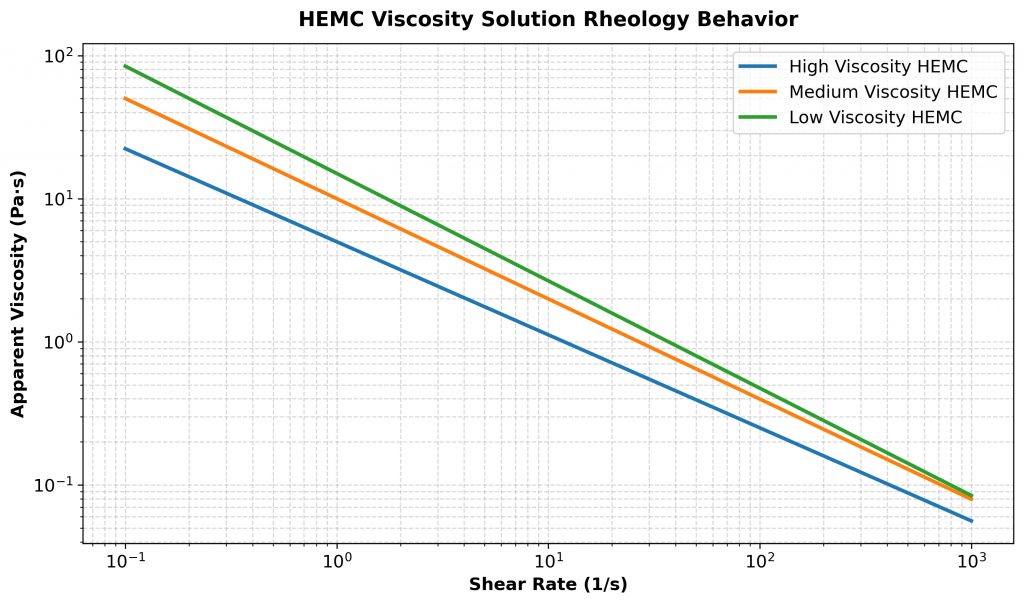
Viscosity consistency across batches is the single most important quality parameter. Viscosity variation between production batches — even within technically acceptable specification limits — translates directly into variable open time, water retention, and workability in the final dry mix product. A reliable HEMC supplier maintains tight internal production controls and provides batch-specific certificates of analysis (COA) that document actual measured viscosity, moisture content, ash content, and particle size distribution.
Technical support for formulation development separates commodity distributors from genuine supply partners. Experienced HEMC suppliers can provide grade recommendations for specific applications, assist with dosage optimization, and supply reference formulations that reduce the time and cost of internal development work. This is particularly valuable for manufacturers entering new application segments or developing products for unfamiliar climatic conditions.
A reliable hydroxyethyl methyl cellulose supplier provides stable batch performance and technical support.Global export experience and regulatory compliance matter for manufacturers supplying international markets. HEMC supplied to European markets should meet relevant EN standards for construction product additives, while products for North American markets require compliance with applicable ASTM and building code requirements. Suppliers with established global distribution networks typically maintain the documentation infrastructure required to support product approvals in multiple jurisdictions.
MOQ flexibility and lead time reliability are operational considerations that affect inventory management and production planning. A supplier that can accommodate sample quantities for formulation development — as small as 25 kg — while also supporting container-load supply for full production volumes offers the commercial flexibility that growing construction chemical businesses require.
Why Work With Our Hydroxyethyl Methyl Cellulose Supplier?
👉 Request HEMC sample or quotation
Our HEMC is available for immediate industrial supply across the full range of viscosity grades required for construction chemical applications. Minimum order quantities start at 25 kg for sample and formulation development, scaling to full pallet and container loads for ongoing production supply.
Standard documentation provided with every order includes:
HEMC viscosity grades are available in standard and delayed-dissolution particle sizes to support both manual mixing and machine application systems. Custom grade specifications and private-label packaging can be accommodated for qualified accounts with defined volume commitments.
HEMC is used as a water retention agent, thickener, and rheology modifier in tile adhesive, dry mix mortar, gypsum plaster, wall putty, and EIFS systems. It improves workability, open time, and bonding performance in cement and gypsum-based construction formulations.
Q: What is the difference between HEMC and HPMC? HEMC contains hydroxyethyl and methyl substituents, while HPMC contains hydroxypropyl and methyl substituents. HEMC generally delivers slightly superior water retention and better compatibility with polymer-modified construction systems, while HPMC is used across both construction and pharmaceutical applications. For construction formulations, both can be used at equivalent viscosity grades, with performance differences most apparent under demanding application conditions.
Low viscosity grades (10,000–20,000 mPa·s) are suitable for gypsum plaster and spray render systems. Medium viscosity grades (20,000–40,000 mPa·s) are appropriate for standard tile adhesive and dry mix mortar. High viscosity grades (40,000–75,000 mPa·s) are specified for high-performance mortar and applications requiring maximum water retention. Final grade selection should be confirmed through formulation trials under representative application conditions.
Q: Is HEMC soluble in water? Yes. HEMC is fully water-soluble and dissolves in cold water to form a stable, viscous solution. Delayed-dissolution grades dissolve more slowly to prevent lump formation in machine-mixed systems, but achieve full dissolution under standard mixing conditions.
Q: What is the typical dosage of HEMC in tile adhesive? HEMC is typically added at 0.2% to 0.4% by weight of dry mix in standard tile adhesive formulations. The optimal dosage depends on the viscosity grade selected, substrate absorption characteristics, and required open time. Technical data sheets and formulation support are available from qualified HEMC suppliers.
Hydroxyethyl Methyl Cellulose occupies a central position in the formulation of high-performance dry mix construction products. Its combination of water retention efficiency, rheological versatility, alkaline stability, and compatibility with polymer-modified systems makes it the cellulose ether of choice for tile adhesive, mortar, gypsum, and wall system applications across global construction markets.
Selecting the right HEMC grade — and the right HEMC supplier — requires understanding the relationship between viscosity, dosage, and application performance, as well as the quality and supply chain factors that determine whether formulation performance translates consistently into finished product quality. Whether you are developing a new dry mix system, optimizing an existing formulation, or qualifying a new supply source, the combination of technical grade selection, batch-consistent quality, and responsive supply support defines what separates a reliable HEMC partner from a commodity distributor.
As a professional hydroxyethyl methyl cellulose supplier, we provide stable quality, fast delivery, and technical support for global construction material manufacturers.
Explore our full range of cellulose derivatives including HPMC, CMC and HEMC
• HEMC samples
• Technical datasheets
• Customized viscosity grades
