

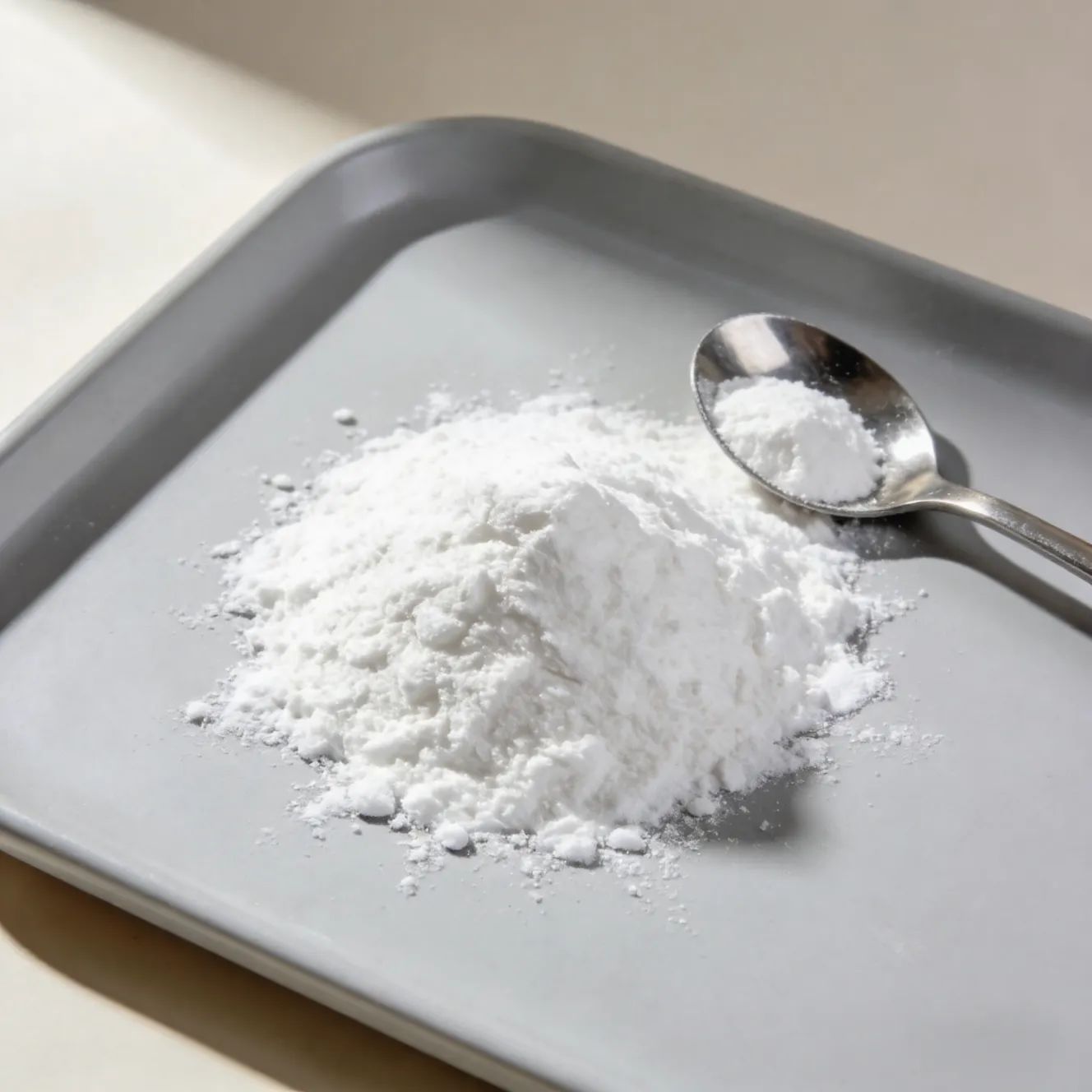
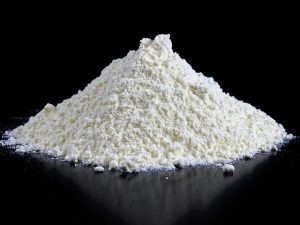
Carboxymethyl cellulose (CMC) is a water-soluble cellulose ether derived from natural cellulose and widely used as a thickener, stabilizer, and viscosity modifier in food, pharmaceutical, and industrial applications. It provides high viscosity, excellent water retention, and stable suspension properties across a wide range of processing conditions.
As a GMP-certified carboxymethyl cellulose supplier with decades of manufacturing experience, we provide high-purity food grade Carboxymethyl Cellulose and sodium Carboxymethyl Cellulose to customers across the food, beverage, pharmaceutical, and industrial sectors worldwide. Whether you need a reliable Carboxymethyl Cellulose thickener for dairy beverages, a stabilizer for ice cream, or a high-viscosity binder for industrial applications, our product range and formulation expertise are built to support your exact requirements — from lab trial through commercial scale.
Carboxymethyl cellulose (CMC) — commercially known as sodium CMC or cellulose gum — is a water-soluble anionic cellulose ether produced by the controlled chemical modification of natural alpha-cellulose. During production, carboxymethyl groups are introduced along the cellulose backbone through a reaction with monochloroacetic acid in an alkaline medium, replacing hydroxyl groups on the glucose units and converting otherwise insoluble cellulose into a fully water-dispersible, high-viscosity polymer.
The degree of substitution (DS) — the average number of carboxymethyl groups introduced per anhydroglucose unit — is the key structural parameter governing CMC’s functional behavior. A higher DS generally improves water solubility and solution clarity, while a lower DS produces stronger binding and film-forming properties. Food and pharmaceutical grades typically fall in the DS range of 0.65–0.95.
When dissolved in water, CMC forms clear to slightly translucent solutions with strongly pseudoplastic (shear-thinning) rheological behavior: the solution flows easily under mechanical shear during processing but recovers its viscosity at rest, providing body and suspension stability in the finished product. This makes CMC exceptionally well-suited to food manufacturing processes such as pumping, filling, and homogenization.
CMC is approved as a food additive under E466 in the European Union and is classified as Generally Recognized as Safe (GRAS) by the U.S. FDA. It is monographed in the USP, EP, and FCC, making it one of the most thoroughly documented and globally accepted hydrocolloids in commercial use.
Looking for bulk supply or full specifications of carboxymethyl cellulose?
Visit our main Carboxymethyl Cellulose product page for detailed grades, pricing, and technical support.
Carboxymethyl cellulose (CMC) is derived from natural cellulose through a chemical modification process called etherification. The cellulose backbone — a linear chain of β-D-glucose units linked by 1,4-glycosidic bonds — is treated with monochloroacetic acid in an alkaline environment, substituting hydroxyl (-OH) groups with carboxymethyl (-CH₂COOH) groups.
Degree of Substitution (DS) is the most critical structural parameter, indicating the average number of hydroxyl groups substituted per glucose unit (scale: 0–3). A higher DS generally produces greater water solubility and lower viscosity, while a lower DS retains more cellulose-like character.
Molecular Structure Highlights:
Solubility is one of CMC’s defining properties. The sodium salt form (Na-CMC) dissolves readily in both cold and hot water, forming a clear, viscous solution. It is insoluble in most organic solvents. Solubility increases with DS and decreases with rising ionic strength or the presence of multivalent cations (Ca²⁺, Mg²⁺), which cause cross-linking and gel formation — a property deliberately exploited in pharmaceutical and food applications.
Yes. These three terms refer to the same material used in different naming contexts. Carboxymethyl cellulose (CMC) is the full chemical name. Sodium CMC refers specifically to the sodium salt form, which is by far the most commercially produced version due to its superior water solubility and stability. Cellulose gum is the consumer-facing ingredient label name used on food product declarations. All three share the same chemistry, the same regulatory status, and the same functional properties.
Carboxymethyl cellulose is often used together with
👉 Microcrystalline Cellulose (MCC)
to improve stability in food formulations.
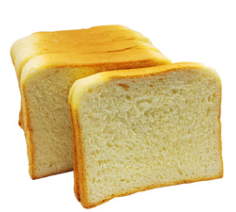
In baked goods, CMC functions primarily as a water retention agent and dough conditioner. It binds free water within the dough matrix, reducing moisture migration during baking and extending shelf life significantly. In reduced-fat or high-fiber bakery formulations, CMC compensates for the structural deficit created by fat or fiber substitution, maintaining consistent crumb texture and volume. In cake icings, pie fillings, and pastry glazes, CMC thickens and stabilizes the system, preventing phase separation and maintaining workable consistency throughout storage and distribution.

In liquid beverage applications, CMC acts as a suspension stabilizer, mouthfeel enhancer, and viscosity builder. It prevents sedimentation of insoluble particles — fruit pulp, cocoa solids, protein aggregates, mineral salts — and maintains a uniform, consistent appearance throughout the product’s shelf life. At low use levels (0.1–0.3%), CMC improves perceived body and creaminess without adding calories or altering flavor. In powdered drink formulations, it aids rapid hydration and complete dissolution upon reconstitution in cold or hot water.

CMC is one of the most effective stabilizers for dairy systems across multiple product categories. In yogurt, it reduces syneresis — the unwanted separation of whey from the gel — and improves firmness and smoothness of the final texture. In ice cream, CMC slows ice crystal growth during storage and enhances freeze-thaw stability, delivering a creamier mouthfeel through extended shelf life. In acidified dairy beverages such as drinking yogurt and fermented milk drinks at low pH, CMC adsorbs onto the surface of casein micelles, preventing protein aggregation and precipitation — a critical function that distinguishes it from most other thickeners in this application.
In dessert applications, CMC provides thickening, gelling support, and structural stability across a range of textures. Its pseudoplastic flow behavior allows dessert systems to be pumped and filled at low viscosity, then set at rest in the final container. In whipped cream and aerated toppings, CMC stabilizes foam structure and reduces liquid drainage over time. In fondants, sugar glazes, and confectionery coatings, it controls consistency and workability without interfering with sweetness perception.
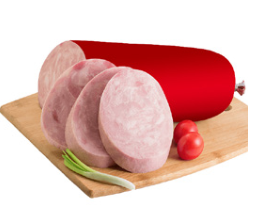
In processed meat applications, CMC functions as a moisture binder and natural emulsifier. It traps water within the meat matrix during cooking and thermal processing, reducing purge loss, improving yield, and enhancing perceived juiciness in the finished product. In restructured meat products such as formed patties and deli slices, CMC improves cohesion between meat pieces and delivers a more consistent, sliceable texture. Its emulsifying capacity also helps stabilize fat-water interfaces, preventing fat separation during high-temperature processing.

In oil-in-water emulsion systems, CMC builds continuous-phase viscosity, stabilizes emulsions, and prevents phase separation during extended storage and temperature cycling. In vinaigrette-style dressings, CMC increases water-phase viscosity to slow droplet coalescence and extend emulsion stability without requiring additional emulsifiers. In high-acid condiments such as ketchup and tomato-based sauces (pH 3.5–4.5), CMC maintains its thickening performance under acidic conditions where some other hydrocolloids degrade or lose viscosity. In dips and mayonnaise-style products, CMC provides the body and cling needed for consumer-preferred texture on application.
In frozen and prepared food applications, CMC thickens sauces and gravies, improves the consistency of composite dishes, and — critically — maintains product integrity through freeze-thaw cycling. Unlike starch-based thickeners, which frequently break down and release water upon thawing (syneresis), CMC-stabilized systems retain their viscosity and structural characteristics through multiple freeze-thaw cycles, delivering consistent quality from factory to consumer.
In pet food manufacturing, CMC improves texture, palatability, and ingredient cohesion across dry and wet formats. In wet food products, it acts as a moisture binder and consistency builder, improving gravy texture and maintaining the structural integrity of meat pieces throughout retort processing and storage. In nutritional supplements for animals, CMC provides a natural source of dietary fiber and ensures homogeneous distribution of active ingredients throughout the product matrix.
Need help selecting the right CMC grade for your application?
Our technical team supports formulation optimization and viscosity selection.
👉 Explore our Carboxymethyl Cellulose product page or check application solutions like Ice Cream Stabilizers.
Not all CMC is created equal. Industrial production tailors DS, molecular weight, and purity to meet the strict requirements of each application sector. The three primary commercial grades are:
Food grade CMC — also designated E466 under EU food additive regulations — must meet stringent purity standards set by bodies such as the FDA (21 CFR § 182.1745) and JECFA. It is characterized by high purity (≥99.5% on a dry basis), controlled DS (typically 0.6–0.95), and low heavy-metal content. It functions as a thickener, stabilizer, and emulsifier and carries GRAS (Generally Recognized as Safe) status in the United States.
Pharmaceutical grade CMC complies with monographs in the USP/NF, EP, and JP pharmacopoeias. It undergoes more rigorous testing for microbial limits, residual solvents, and degree of substitution uniformity. It is used as a binder and disintegrant in solid dosage forms, a suspending agent in oral liquids, and a viscosity modifier in ophthalmic and topical preparations. Pharma grade commands a significant price premium over food or industrial grades.
Industrial grade CMC is produced at larger scale with less stringent purity requirements, making it cost-effective for high-volume applications. DS ranges widely (0.4–1.4) and molecular weight is engineered for specific rheological targets. It is used in oil drilling fluids, paper coating, textile sizing, ceramics, and construction materials such as tile adhesives and cement. Performance — not biocompatibility — is the primary specification driver.
All grades are manufactured under full GMP conditions and comply with USP/NF, FCC, and EU food additive regulations (E466). Full Certificate of Analysis (COA), Safety Data Sheet (MSDS), and regulatory documentation are available upon request.
| TEST ITEMS | CSWY FH7000 | CG3A8H | CZGY7000 | DYNACEL 8H7R | FFV H6-7R | TFH7000 | WFLT003 |
|---|---|---|---|---|---|---|---|
| Physical Exterior | White or Yellowish Powder | White or Yellowish Powder | White or Yellowish Powder | White or Yellowish Powder | White or Yellowish Powder | White or Yellowish Powder | White or Yellowish Powder |
| Viscosity (1%, mPa·s) | 7300 | 7300 | 7300 | 7300 | 7315 | 7530 | 7500 |
| Degree of Substitution | 0.71 | 0.85 | 0.85 | 0.84 | 0.83 | 0.80 | 0.79 |
| pH (25°C) | 6.5 | 7.2 | 7.01 | 7.67 | 7.11 | 7.1 | 7.17 |
| Moisture (%) | 7.3 | 7.3 | 5.57 | 6.7 | 6.78 | 6.15 | 7.2 |
| Purity (%) | 99.5 | 99.5 | 99.54 | 99.6 | 99.78 | 99.73 | 99.5 |
| Mesh | Pass | Pass | Pass | Pass | Pass | Pass | Pass |
| Heavy Metal (Pb), ppm | 10 Max | 10 Max | 10 Max | 10 Max | 10 Max | 10 Max | 10 Max |
| Iron, ppm | 2 Max | 2 Max | 2 Max | 2 Max | 2 Max | 2 Max | 2 Max |
| Arsenic, ppm | 3 Max | 3 Max | 3 Max | 3 Max | 3 Max | 3 Max | 3 Max |
| Lead, ppm | 2 Max | 2 Max | 2 Max | 2 Max | 2 Max | 2 Max | 2 Max |
| Mercury, ppm | 1 Max | 1 Max | 1 Max | 1 Max | 1 Max | 1 Max | 1 Max |
| Cadmium, ppm | 1 Max | 1 Max | 1 Max | 1 Max | 1 Max | 1 Max | 1 Max |
| Total Plate Count | 500/g Max | 500/g Max | 500/g Max | 500/g Max | 500/g Max | 500/g Max | 500/g Max |
| Yeast & Moulds | 100/g Max | 100/g Max | 100/g Max | 100/g Max | 100/g Max | 100/g Max | 100/g Max |
| E. Coli | Nil/g | Nil/g | Nil/g | Nil/g | Nil/g | Nil/g | Nil/g |
| Coliform Bacteria | Nil/g | Nil/g | Nil/g | Nil/g | Nil/g | Nil/g | Nil/g |
| Salmonella | Nil/25g | Nil/25g | Nil/25g | Nil/25g | Nil/25g | Nil/25g | Nil/25g |
Need help optimizing your ice cream formulation?
Explore our Ice Cream Stabilizer solutions or contact our technical team for tailored support.
| Property | CMC | Xanthan Gum |
|---|---|---|
| Viscosity | High | Very High |
| Clarity | Clear | Slightly opaque |
| Mouthfeel | Smooth | Slightly sticky |
| Stability | Excellent | Excellent |
👉 CMC is preferred when clarity + smooth texture are required.
CMC builds significant solution viscosity at concentrations as low as 0.1–0.5% of total formulation weight, making it one of the most cost-effective thickeners available per unit of functional performance. High-viscosity grades (7000+ mPa·s at 1% solution) deliver strong thickening with minimal impact on other product properties such as flavor, color, or caloric content.
CMC’s strong hydrophilicity enables it to bind free water within food matrices, reducing moisture migration during processing and storage. This improves product yield in cooked and processed foods, extends freshness in bakery products, and reduces purge loss in meat applications — all directly impacting production economics.
Food grade CMC performs reliably across a pH range of approximately 4.0–11.0 and is stable through standard pasteurization, UHT treatment, and retort conditions. It does not gel on heating and does not break down irreversibly under thermal stress, making it compatible with the full range of food processing technologies.
Unlike most starch-based thickeners, CMC solutions retain their viscosity and structural properties through repeated freeze-thaw cycling. This makes CMC the preferred thickener for frozen food applications where texture consistency from production through consumer use is critical.
CMC is fully compatible with most gums, starches, proteins, and other hydrocolloids used in food formulation. It is regularly combined with xanthan gum, guar gum, locust bean gum, and microcrystalline cellulose (MCC) to achieve synergistic texture and stability profiles that no single ingredient can deliver alone.
Approved as E466 in the EU and GRAS in the U.S., CMC is accepted in virtually every regulatory market worldwide. Its plant-derived origin and simple declaration as “cellulose gum” on consumer-facing ingredient labels supports clean-label product positioning in markets where ingredient list transparency is a purchasing driver.
Our technical team supports:
Sodium carboxymethyl cellulose (sodium CMC) is the sodium salt form of carboxymethyl cellulose and the most commercially important grade of CMC. The sodium counterion imparts excellent cold- and hot-water solubility, allowing CMC to dissolve readily to form stable, viscous solutions without heating. Sodium CMC is the standard form supplied for food, pharmaceutical, and industrial applications. The terms “CMC,” “sodium CMC,” and “cellulose gum” are used interchangeably in most commercial and regulatory contexts — they refer to the same ingredient with the same safety profile and functional properties.
CMC is used as a thickener, stabilizer, water retention agent, emulsion stabilizer, and viscosity modifier across a wide range of industries. In food, it is used in bakery products, beverages, dairy, sauces, dressings, frozen foods, and meat products. In pharmaceuticals, CMC functions as a tablet binder in wet granulation, a suspension vehicle in oral liquid formulations, and a lubricant and viscosity modifier in ophthalmic drops and gels. In industrial applications, CMC is used in paper sizing, textile finishing, ceramic manufacturing, oil drilling fluid formulation, detergent production, and construction adhesives. Its combination of water solubility, high viscosity at low concentrations, and broad regulatory acceptance makes it one of the most commercially versatile functional polymers available.
Effective dosages vary by application and processing conditions. In beverages and dairy drinks, CMC is typically used at 0.1%–0.5% to build viscosity and stabilize suspensions. In bakery products, 0.1%–0.5% based on flour weight improves moisture retention and shelf life. In ice cream and frozen dairy, 0.1%–0.3% is standard. In sauces and dressings, 0.2%–1.0% depending on target viscosity and emulsion stability requirements. Always conduct formulation trials under your specific processing conditions — effective dosage is influenced by shear history, processing temperature, final pH, and the concentration of competing dissolved solids such as sugars and salts.
Yes. CMC holds GRAS status from the U.S. FDA and is approved as E466 by the European Food Safety Authority (EFSA). It is listed in the USP, EP, and FCC. CMC is non-toxic, non-digestible, non-allergenic, and calorie-free. It has a well-established safety profile supported by decades of documented use in food, pharmaceutical, and personal care applications across more than 100 countries.
CMC must be dispersed into water before other dissolved solids such as sugars, salts, and acids are added. High concentrations of dissolved solids compete with CMC for available water molecules and can significantly impair hydration, resulting in lower final solution viscosity than expected. The recommended procedure is to add CMC powder slowly to water under moderate agitation, then allow sufficient time for complete hydration before mixing with other ingredients. Warm water (40–60°C) accelerates dissolution but is not required. Avoid adding dry CMC directly to concentrated sugar solutions or pre-acidified water, as these conditions cause clumping and incomplete hydration.
Yes. CMC is derived entirely from plant cellulose — typically wood pulp or cotton linters — and contains no animal-derived ingredients. It is free of all major food allergens including gluten, dairy, soy, tree nuts, and peanuts, making it fully compatible with vegan, vegetarian, and allergen-free product formulations. It is declared as “cellulose gum” or “carboxymethylcellulose” on consumer ingredient labels and supports clean-label positioning in all major markets.
Every commercial shipment is accompanied by a Certificate of Analysis (COA), Safety Data Sheet (MSDS), allergen declaration, and country-specific regulatory documentation as required for the destination market. Halal and Kosher certification is available upon request. We support export documentation requirements for FDA, EU, and Asia-Pacific regulatory frameworks.
We provide:
✔ Bulk supply
✔ Global shipping
✔ COA / MSDS / regulatory support
📧 wangpengfei@actabiotechnology.com
🌐 https://www.actabiotechnology.com
评价
目前还没有评价