

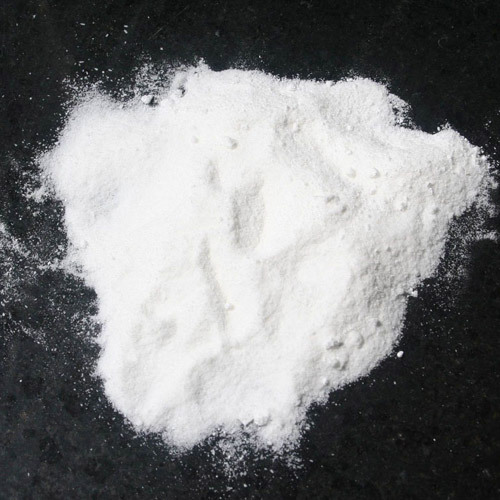
MCC gel is a food-grade microcrystalline cellulose gel used as a stabilizer and fat replacer in ice cream, dairy, sauces, and bakery products. It forms a thixotropic network that improves texture, stability, and shelf life.
MCC gel, also known as microcrystalline cellulose gel or colloidal MCC gel, is widely used as a food-grade stabilizer in modern formulations. As an MCC gel stabilizer, it provides excellent suspension, texture control, and fat replacement functionality. MCC gel for ice cream and low-fat dairy applications is particularly valued due to its ability to mimic fat while maintaining stability and creaminess.
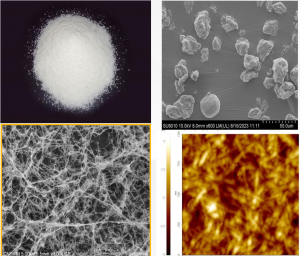
MCC Gel is a food-grade microcrystalline cellulose-based stabilizer that, when hydrated, forms a viscous, thixotropic gel specifically engineered for use in food manufacturing. It is derived from highly purified cellulose that has been processed to a colloidal particle size, enabling it to build a stable three-dimensional network in water-based food systems. This network is the foundation of MCC Gel’s exceptional functional performance: it holds its structured, gel-like state at rest, yet flows smoothly under shear — the classic behavior of a thixotropic material — making it easy to process on standard food production lines while delivering outstanding texture and stability in the finished product.
MCC gel is often referred to as colloidal MCC gel due to its finely dispersed particle structure in water. This colloidal system forms a stable three-dimensional network that enhances suspension stability, texture, and consistency in food applications.
MCC Gel is most closely associated with two critical food industry challenges: improving creaminess and mouthfeel in low-fat formulations, and providing long-term stability in frozen and refrigerated products. Because it is calorie-free, chemically inert, and derived from natural cellulose, it allows food manufacturers to deliver rich, indulgent sensory experiences while meeting clean-label, low-fat, or reduced-calorie claims. It is approved for use as a food additive under FDA GRAS status, classified as E460ii in the European Union, and compliant with both USP and FCC (Food Chemicals Codex) food-grade standards.
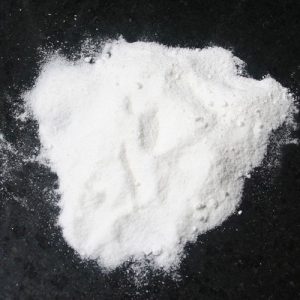
MCC Gel is typically co-processed with sodium carboxymethylcellulose (CMC), which functions as a dispersing agent to ensure the cellulose microparticles fully hydrate and form a uniform gel network during mixing. The resulting gel integrates seamlessly into a wide range of food matrices, including dairy products, frozen desserts, sauces, dressings, and bakery fillings.
For a deeper technical understanding of the colloidal cellulose structure that underpins MCC Gel’s performance, see our detailed guide on Colloidal MCC.
For raw material supply, visit our microcrystalline cellulose page.
1.
| TEST ITEMS | ACT591 | ACT3212 | ACT611 | ACT538 | ACT521 |
| Loss on drying,w/% | ≤7.0 | ≤7.0 | ≤7.0 | ≤7.0 | ≤7.0 |
| Residue on ignition,w/% | ≤5.0 | ≤5.0 | ≤5.0 | ≤5.0 | ≤5.0 |
| Viscosity,1.2%,mpa.s | 39-91 | 50-200 | 50-151 | 39-175 | 50-100 |
| Particle Size retained on 60 mesh sieve | <1 | <1 | <1 | <1 | <1 |
| Heavy Metal,mg/kg | ≤10 | ≤10 | ≤10 | ≤10 | ≤10 |
| Total aerobic microbial count,cfu/g | ≤1000 | ≤1000 | ≤1000 | ≤1000 | ≤1000 |
| Total moulds and yeasts count,cfu/g | ≤100 | ≤100 | ≤100 | ≤100 | ≤100 |
| Escherichia coli | Not detected/10g | Not detected/10g | Not detected/10g | Not detected/10g | Not detected/10g |
| Salmonella species | Not detected/10g | Not detected/10g | Not detected/10g | Not detected/10g | Not detected/10g |
| Staphylococcus aureus | Not detected/10g | Not detected/10g | Not detected/10g | Not detected/10g | Not detected/10g |
| Pseudomonas aeruginosa | Not detected/10g | Not detected/10g | Not detected/10g | Not detected/10g | Not detected/10g |
| Application | food and beverage | Milk shake, sauce | food and beverage | Neutral milk drinks, vegetable protein drinks |
food and beverage |
MCC Gel’s combination of thixotropy, freeze-thaw stability, and fat-mimicking functionality makes it one of the most versatile stabilizers in the food industry. It is used across a broad range of product categories, each benefiting from a different aspect of its functional profile.
As an MCC gel stabilizer, it plays a critical role in maintaining uniform texture and preventing phase separation in complex food systems. It is widely used in dairy, frozen desserts, and sauces where long-term stability is essential.

Ice cream is one of the most demanding applications for any food stabilizer. The product must survive the stresses of initial freezing, storage at variable temperatures, distribution, and repeated freeze-thaw cycles — all while maintaining a smooth, creamy texture and preventing the large ice crystal formation that leads to a coarse, grainy mouthfeel.
MCC gel for ice cream is particularly valued for its ability to control ice crystal growth and improve creaminess. It enhances overrun stability and ensures a smooth texture even under temperature fluctuations during storage and distribution.
Its gel network restricts the mobility of water molecules in the ice cream mix, slowing the rate of ice crystal nucleation and growth during freezing and storage. This results in a finer, more uniform ice crystal size distribution and a notably creamier, smoother texture in the final product. The effect is especially pronounced during heat shock cycles — the temperature fluctuations that occur during transport and retail storage — where MCC Gel-stabilized ice cream shows significantly better resistance to coarsening than formulations relying solely on conventional stabilizers such as locust bean gum or guar gum.
Beyond ice crystal control, MCC Gel contributes directly to the mouthfeel and body of ice cream. Its ability to simulate the textural richness of fat makes it particularly valuable in reduced-fat and low-fat ice cream formulations, where the removal of fat often leads to a thin, watery texture that consumers find unsatisfying. With MCC Gel, manufacturers can reduce fat content by 30 to 50 percent while maintaining the creamy, indulgent experience that consumers expect.
MCC Gel also improves the overrun stability of ice cream — the ability of the frozen foam structure to hold its shape and prevent collapse during storage — and reduces the rate of melting, ensuring a cleaner, more controlled melt profile on consumption.
Typical usage level in ice cream: 0.1% to 0.5% of total formulation weight, depending on the desired texture and fat reduction level.

The reformulation of dairy products to reduce fat content is one of the most commercially significant trends in the food industry. Consumer demand for healthier options has driven growth in low-fat yogurt, reduced-fat cheese spreads, light cream cheese, low-fat sour cream, and reduced-calorie desserts — but removing fat from these products fundamentally changes their texture, body, and mouthfeel in ways that consumers immediately notice and often reject.
This makes it ideal for reduced-fat and low-calorie formulations where maintaining texture and sensory quality is critical.
MCC Gel is one of the most effective fat replacers available to dairy formulators because it replicates the physical behavior of fat in these systems rather than simply adding viscosity. Fat in dairy products contributes lubricity, creaminess, body, and a coating sensation on the palate. MCC Gel’s sub-micron cellulose particles interact with the aqueous phase to create similar lubricity and body, providing a sensory profile that closely mimics full-fat dairy without adding a single calorie.
In yogurt, MCC Gel stabilizes the protein network, reduces syneresis (the weeping of liquid whey from the surface of the yogurt), and improves the consistency and spoonable body of low-fat and non-fat varieties. Consumers frequently cite watery texture and excessive liquid separation as the main quality defects in low-fat yogurts; MCC Gel directly resolves both issues.
In cheese spreads and cream cheese, MCC Gel provides the spreadability and smooth, homogeneous texture that consumers associate with full-fat versions, while allowing significant fat reduction. It also improves the stability of these products at refrigeration temperatures, reducing separation and maintaining a consistent texture throughout the product’s shelf life.
In desserts such as mousse, panna cotta, and pudding, MCC Gel contributes creaminess and a clean finish on the palate, making reduced-calorie versions texturally comparable to traditional full-fat formulations.
Typical usage level in low-fat dairy products: 0.2% to 1.0%, depending on the degree of fat reduction and the specific product category.
Cream fillings, custards, pastry creams, fruit preparations, and savory sauces all share a common set of formulation challenges: they must maintain a stable, homogeneous structure throughout processing, filling, baking (in the case of oven-stable fillings), refrigeration, and consumer use. They are also subject to significant shear forces during manufacturing, followed by extended periods of rest during storage — exactly the conditions where a thixotropic stabilizer like MCC Gel performs at its best.
In bakery cream fillings and custards, MCC Gel provides body and stability without excessive gelling or the rubbery texture sometimes associated with starch- or gelatin-based systems. It improves the smoothness and uniformity of the filling, reduces syneresis during refrigerated storage, and maintains a consistent, creamy texture even after freeze-thaw cycles — an important property for bakery products intended for frozen distribution.
This allows manufacturers to produce fruit pies, Danish pastries, and filled croissants with fillings that hold their shape and texture throughout the baking process and maintain quality after cooling.
In sauces and dressings — both sweet (caramel, chocolate, fruit coulis) and savory (hollandaise, béchamel, vinaigrette) — MCC Gel provides suspension stability for particulates, controls pourability, and prevents separation during storage. Its thixotropic behavior is particularly valuable in pourable sauces: the product flows easily from the bottle under the shear of squeezing or pouring, but immediately recovers its structured viscosity once the force is removed, preventing the product from running uncontrollably on the food.
In high-sugar applications such as fillings and glazes, MCC Gel should be fully hydrated in water before combining with the sugar phase, as high concentrations of dissolved sugars can inhibit the hydration of cellulose microparticles.
Typical usage level in fillings and sauces: 0.1% to 0.8%, adjusted based on the desired viscosity, texture, and processing conditions.
Explore more applications in food stabilizer systems.
| Property | MCC Gel | Xanthan Gum | Carrageenan |
|---|---|---|---|
| Texture | Creamy | Slimy | Gel-like |
| Fat replacement | Excellent | None | Limited |
| Freeze-thaw | Excellent | Moderate | Weak |
| Mouthfeel | Natural | Sticky | Firm |
To achieve optimal stabilization and texture enhancement, we recommend the following typical dosage levels for our Colloidal MCC in various food systems:
Ice Cream & Frozen Desserts: 0.1% – 0.5%
Effect: Improves heat shock resistance and prevents ice crystal formation.
Dairy Products (Yogurt, Beverages): 0.2% – 1.0%
Effect: Provides a creamy mouthfeel and enhances suspension stability in low-fat formulations.
Sauces, Dressings & Condiments: 0.1% – 0.8%
Effect: Acts as a powerful thixotropic agent to control viscosity and prevent oil-water separation.
Food manufacturers who incorporate MCC Gel into their formulations gain a comprehensive set of functional and commercial advantages that extend across the entire product development and manufacturing process.
Consistent texture and creaminess across formulations. MCC Gel delivers a reliable, reproducible texture profile batch after batch. Its gel network is robust against variations in processing temperature, pH, and shear history, giving formulators confidence that the finished product will meet sensory specifications consistently at scale.
Unlike many conventional stabilizers, MCC Gel performs well across repeated freeze-thaw cycles, maintaining its gel structure and preventing syneresis and phase separation in frozen and refrigerated products. This makes it particularly valuable for products in frozen distribution chains.
Easy integration with other hydrocolloids. MCC Gel is compatible with a wide range of hydrocolloids commonly used in food formulation, including CMC, xanthan gum, guar gum, locust bean gum, and carrageenan. In many formulations, MCC Gel is used in combination with one or more of these materials to achieve a synergistic texture and stability profile that neither ingredient could deliver alone. For example, combining MCC Gel with a small amount of xanthan gum can enhance suspension of coarse particles in sauces, while combining it with locust bean gum in ice cream can further improve ice crystal control.MCC Gel is often used with carboxymethyl cellulose (CMC) for improved dispersion.
Food grade MCC gel complies with global food safety standards and is approved for use in a wide range of applications. It is recognized under FDA GRAS status and listed as E460ii in the European Union, ensuring safety and regulatory compliance for food manufacturers worldwide.
Heat and pH stability. MCC Gel maintains its functional performance across the temperature and pH ranges typical in food processing, from pasteurization and UHT treatment to refrigerated and frozen storage. This thermal stability makes it suitable for use in products that undergo heat treatment as part of their manufacturing process.
Calorie-free and fiber-contributing. Because microcrystalline cellulose is non-digestible dietary fiber, it contributes no net calories to the finished product and may, in some jurisdictions, be counted toward dietary fiber content — an additional benefit for health-oriented product positioning.
Achieving optimal performance from MCC Gel requires proper hydration and mixing technique. The following general guidelines apply to most commercial dry-grade MCC Gel products:
Step 1 – Add to water, not the reverse. Gradually disperse MCC Gel powder into water with agitation. Do not add water to the powder, as this tends to cause lump formation.
Step 2 – Use high-shear mixing. MCC Gel requires significant mechanical energy to fully hydrate and form the gel network. A high-shear mixer, rotor-stator homogenizer, or high-speed disperser is recommended. Standard paddle or anchor stirrers typically do not provide sufficient shear for complete activation.
Depending on the grade, water temperature, and mixing intensity, full hydration typically requires 15 to 30 minutes of continuous high-shear mixing. The dispersion should appear uniformly opaque and smooth, with no visible lumps or undispersed particles, before it is considered fully activated.
Step 4 – Hydrate in clean water before adding other ingredients. High concentrations of sugar, salt, or other dissolved solutes can compete with cellulose for free water and impede hydration. For best results, fully hydrate MCC Gel in clean water first, then blend the activated gel with other ingredients.
Step 5 – Process as normal. Once fully hydrated, MCC Gel dispersions can be processed through standard food manufacturing equipment, including plate heat exchangers, homogenizers, dosing pumps, and filling lines. The thixotropic nature of the gel means it will thin under the shear of pumping and mixing, then recover its structured viscosity once the shear force is removed.
Scientific studies on cellulose functionality can be found on ScienceDirect.
Q: What is MCC Gel used for in food? A: MCC Gel is a microcrystalline cellulose-based stabilizer that improves texture, creaminess, and shelf life in ice cream, low-fat dairy products, sauces, and bakery fillings. It forms a thixotropic gel network that prevents ice crystal growth in frozen products, reduces syneresis in dairy, and provides suspension stability and viscosity control in sauces and fillings.
Q: Can MCC Gel replace colloidal MCC in food applications? A: MCC Gel and colloidal MCC are closely related materials, but they are optimized for different applications. MCC Gel is specifically formulated for food applications where texture enhancement, creaminess, and fat replacement are the primary goals — such as ice cream, dairy products, and bakery fillings. Colloidal MCC is more broadly used across food, pharmaceutical, and industrial applications where liquid suspension stability and viscosity control in aqueous systems are the primary requirements. In food manufacturing, MCC Gel is generally the preferred choice for texture-focused applications, while colloidal MCC is better suited for liquid suspension systems such as flavored milks or oral pharmaceutical suspensions.
Learn more about colloidal microcrystalline cellulose.
According to the FDA, microcrystalline cellulose is recognized as safe for food use.
Q: What is the recommended usage level of MCC Gel in food products? A: Usage levels vary by application. In ice cream and frozen desserts, typical levels range from 0.1% to 0.5%. In low-fat dairy products such as yogurt and cheese spreads, levels of 0.2% to 1.0% are common. In sauces, dressings, and bakery fillings, usage typically falls between 0.1% and 0.8%. The optimal level for a specific formulation should be determined through laboratory trials, as it depends on the fat content, desired texture, processing conditions, and the presence of other hydrocolloids.
Q: Can MCC Gel be used in plant-based and vegan food products? A: Yes. MCC Gel is entirely plant-derived (from purified cellulose) and contains no animal-derived components, making it fully suitable for vegan and plant-based food formulations. It is increasingly used in plant-based dairy alternatives, vegan ice cream, and plant-based cream products to provide the body and creaminess that these formulations often lack compared to their conventional dairy counterparts.
Q: Does MCC Gel affect the flavor of food products? A: No. MCC Gel is flavorless, odorless, and chemically inert. It does not interact with flavor compounds or modify the taste profile of the finished product. This neutrality is one of its key advantages over some hydrocolloid stabilizers, which can impart off-flavors at higher usage levels.
Q: What is the shelf life of MCC Gel powder? A: In its dry, co-processed powder form, MCC Gel typically has a shelf life of 24 to 36 months when stored in sealed original packaging in a cool, dry environment away from direct sunlight and moisture. Once hydrated, the activated gel dispersion should be used within the manufacturer’s recommended timeframe, typically within 24 to 48 hours if stored under refrigeration.
✔ Food-grade certified (FDA / EU compliant)
✔ Stable supply & consistent quality
✔ Technical support for formulation
👉 Request a sample or get bulk pricing today.
Reviews
There are no reviews yet.