

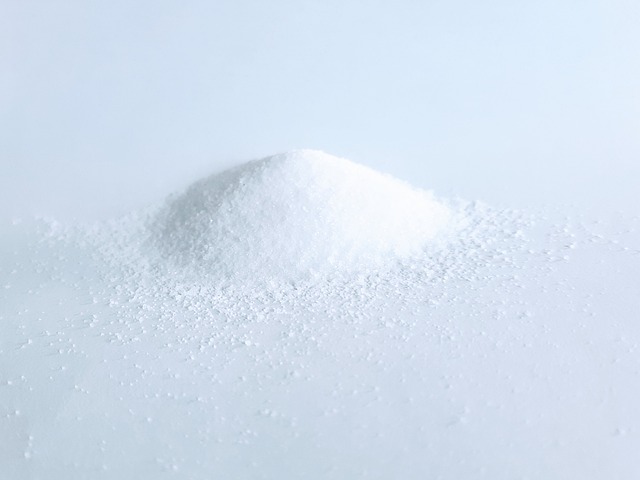
Colloidal MCC is a thixotropic microcrystalline cellulose suspension used as a stabilizer to prevent sedimentation, control viscosity, and maintain uniform consistency in liquid systems.
Colloidal MCC (colloidal microcrystalline cellulose) is a thixotropic suspension widely used as a stabilizer in food, pharmaceutical, and industrial formulations. As a colloidal dispersion of microcrystalline cellulose particles, colloidal MCC improves suspension stability, controls viscosity, and prevents sedimentation in liquid systems. This technical guide covers its definition, physical structure, functional properties, and primary applications — providing the foundation formulators and procurement teams need to evaluate colloidal MCC for their specific use case.
According to the FDA description of microcrystalline cellulose, MCC is a purified, partially depolymerized cellulose widely used as a safe and functional additive in food and pharmaceutical formulations.
For application-ready systems, see our MCC gel stabilizer.
Colloidal MCC is also commonly referred to as colloidal microcrystalline cellulose, MCC colloid, or microcrystalline cellulose colloid. In practical applications, it functions as a cellulose colloid stabilizer, forming a stable particle network that keeps insoluble components suspended in liquid systems.
In many formulations, colloidal MCC acts as an MCC suspension stabilizer, preventing sedimentation while maintaining a smooth and uniform texture across storage and use.
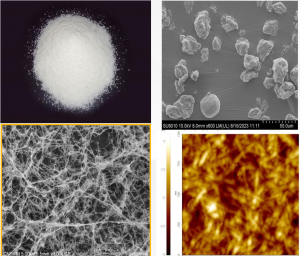
Colloidal MCC is produced by mechanically processing purified microcrystalline cellulose — derived from wood pulp or cotton linters — to sub-micron particle size under controlled wet-milling conditions. At this scale, cellulose particles no longer behave as discrete solids that settle out of suspension. Instead, they remain stably dispersed in the aqueous phase and interact through surface hydrogen bonding to form a continuous, soft three-dimensional network throughout the liquid.
This network is the defining feature of colloidal MCC. It is what distinguishes the material from both standard powder MCC — which simply disperses as inert particles in water without forming a network — and from soluble hydrocolloids like xanthan gum or carrageenan, which thicken through dissolved polymer chain entanglement rather than particle network formation.
The network exhibits thixotropic behavior: under applied shear — stirring, pumping, pouring, or shaking — the hydrogen bonds between particles break and the network temporarily collapses, allowing the material to flow as a relatively fluid liquid. When shear is removed, the bonds reform and the network rebuilds, restoring gel-like consistency and suspension stability within seconds. This self-recovering structure is what makes colloidal MCC uniquely effective as a stabilizer in systems that must be processed and pumped during manufacture but remain stable and non-sedimenting during distribution and storage.
| TEST ITEMS | ACT591 | ACT3212 | ACT611 | ACT538 | ACT521 |
| Loss on drying,w/% | ≤7.0 | ≤7.0 | ≤7.0 | ≤7.0 | ≤7.0 |
| Residue on ignition,w/% | ≤5.0 | ≤5.0 | ≤5.0 | ≤5.0 | ≤5.0 |
| Viscosity,1.2%,mpa.s | 39-91 | 50-200 | 50-151 | 39-175 | 50-100 |
| Particle Size retained on 60 mesh sieve | <1 | <1 | <1 | <1 | <1 |
| Heavy Metal,mg/kg | ≤10 | ≤10 | ≤10 | ≤10 | ≤10 |
| Total aerobic microbial count,cfu/g | ≤1000 | ≤1000 | ≤1000 | ≤1000 | ≤1000 |
| Total moulds and yeasts count,cfu/g | ≤100 | ≤100 | ≤100 | ≤100 | ≤100 |
| Escherichia coli | Not detected/10g | Not detected/10g | Not detected/10g | Not detected/10g | Not detected/10g |
| Salmonella species | Not detected/10g | Not detected/10g | Not detected/10g | Not detected/10g | Not detected/10g |
| Staphylococcus aureus | Not detected/10g | Not detected/10g | Not detected/10g | Not detected/10g | Not detected/10g |
| Pseudomonas aeruginosa | Not detected/10g | Not detected/10g | Not detected/10g | Not detected/10g | Not detected/10g |
| Application | food and beverage | Milk shake, sauce | food and beverage | Neutral milk drinks, vegetable protein drinks |
food and beverage |
| TEST ITEMS | ACT509 | ACT600 | ACT610 | ACT428 | ACT631 | ACT651 |
| Loss on drying,w/% | ≤7.0 | ≤7.0 | ≤7.0 | ≤7.0 | ≤7.0 | ≤7.0 |
| Residue on ignition,w/% | ≤5.0 | ≤5.0 | ≤5.0 | ≤5.0 | ≤5.0 | ≤5.0 |
| Viscosity,1.2%,mpa.s | 60-150 | 2000-8000(2.6%) | 1200-2000 | 130-230 | 2000-8000(2.6%) | 50-151(2.6%) |
| Particle Size retained on 60 mesh sieve | <1 | <1 | <1 | <1 | <1 | <1 |
| Heavy Metal,mg/kg | ≤10 | ≤10 | ≤10 | ≤10 | ≤10 | ≤10 |
| Total aerobic microbial count,cfu/g | ≤1000 | ≤1000 | ≤1000 | ≤1000 | ≤1000 | ≤1000 |
| Total moulds and yeasts count,cfu/g | ≤100 | ≤100 | ≤100 | ≤100 | ≤100 | ≤100 |
| Escherichia coli | Not detected/10g | Not detected/10g | Not detected/10g | Not detected/10g | Not detected/10g | Not detected/10g |
| Salmonella species | Not detected/10g | Not detected/10g | Not detected/10g | Not detected/10g | Not detected/10g | Not detected/10g |
| Staphylococcus aureus | Not detected/10g | Not detected/10g | Not detected/10g | Not detected/10g | Not detected/10g | Not detected/10g |
| Pseudomonas aeruginosa | Not detected/10g | Not detected/10g | Not detected/10g | Not detected/10g | Not detected/10g | Not detected/10g |
| Application | Neutral milk drinks, vegetable protein drinks |
Milk shake, sauce | Bakery,sauce | Neutral milk drinks, vegetable protein drinks |
food and beverage | food and beverage |
3.
| TEST ITEMS | ACT440 | ACT450 | ACT480 | ACT996 | ACT981 | ACT8329 |
| Loss on drying,w/% | ≤7.0 | ≤7.0 | ≤7.0 | ≤7.0 | ≤7.0 | ≤7.0 |
| Residue on ignition,w/% | ≤5.0 | ≤5.0 | ≤5.0 | ≤5.0 | ≤5.0 | ≤5.0 |
| Viscosity,1.2%,mpa.s | 200-400 | 400-700 | 700-900 | 3000-5500(2.6%) | 2000-3500(2.6%) | 1000-1600(2.6%) |
| Particle Size retained on 60 mesh sieve | <1 | <1 | <1 | <1 | <1 | <1 |
| Heavy Metal,mg/kg | ≤10 | ≤10 | ≤10 | ≤10 | ≤10 | ≤10 |
| Total aerobic microbial count,cfu/g | ≤1000 | ≤1000 | ≤1000 | ≤1000 | ≤1000 | ≤1000 |
| Total moulds and yeasts count,cfu/g | ≤100 | ≤100 | ≤100 | ≤100 | ≤100 | ≤100 |
| Escherichia coli | Not detected/10g | Not detected/10g | Not detected/10g | Not detected/10g | Not detected/10g | Not detected/10g |
| Salmonella species | Not detected/10g | Not detected/10g | Not detected/10g | Not detected/10g | Not detected/10g | Not detected/10g |
| Staphylococcus aureus | Not detected/10g | Not detected/10g | Not detected/10g | Not detected/10g | Not detected/10g | Not detected/10g |
| Pseudomonas aeruginosa | Not detected/10g | Not detected/10g | Not detected/10g | Not detected/10g | Not detected/10g | Not detected/10g |
| Application | Paint and printing materials | Paint and printing materials |
Bakery,sauce | food and beverage | food and beverage | food and beverage |
Choosing the appropriate colloidal MCC grade depends on the target application and required rheological performance. For beverage and liquid food systems, low to medium viscosity grades are typically used to maintain flowability while ensuring suspension stability. In pharmaceutical oral suspensions, higher viscosity grades are preferred to achieve long-term particle suspension and accurate dosing. For industrial applications such as coatings and paints, grade selection depends on the required anti-settling performance and application viscosity profile. Key selection factors include viscosity, particle size distribution, and shear response behavior.
The functional difference between colloidal MCC and powder MCC follows directly from their structural difference. Understanding this distinction is the starting point for selecting the correct cellulose grade for any application.
| Property | Colloidal MCC | Powder MCC |
|---|---|---|
| Particle size | Sub-micron to low-micron | 20–200 microns (typical) |
| Physical state | Thixotropic aqueous suspension | Dry white powder |
| Network formation | Yes — hydrogen-bonded 3D particle network | No |
| Thixotropy | Yes — shear-thinning with structural recovery | No |
| Primary mechanism | Colloidal network stabilization | Mechanical binding and compression |
| Function in liquid systems | Suspension stabilizer, viscosity modifier, emulsifier | Does not function effectively in liquid systems |
| Function in dry/solid systems | Limited | Tablet binder, disintegrant, anti-caking agent |
| Activation in formulation | Pre-hydrated (MCC gel) or moderate shear dispersion | Used dry; no hydration required |
| Regulatory designation | E460(ii) / GRAS | E460(i) / GRAS |
The critical point for formulators: powder MCC contributes functionality in dry and compressed systems — tablets, capsule fills, dry mixes, and powder blends. Colloidal MCC contributes functionality in liquid and semi-liquid systems — suspensions, emulsions, gels, creams, and sauces. Specifying the wrong form for a given application results in either no functional benefit or process handling problems.
For solid and tablet applications, explore microcrystalline cellulose powder.
Colloidal MCC is used across three major sectors — food, pharmaceutical, and industrial — each exploiting a different dimension of its thixotropic, network-forming properties.
In food manufacturing, colloidal MCC addresses texture, stability, and fat reduction simultaneously — a combination that few single-ingredient stabilizers can match.
Ice cream and frozen desserts

Colloidal MCC is one of the most effective stabilizers for ice cream and related frozen products. Its network retards ice crystal recrystallization during temperature fluctuation in the distribution chain — the primary mechanism behind coarse, grainy texture in ice cream that has experienced temperature abuse. Simultaneously, the network stabilizes air cells incorporated during the freezing process (overrun), maintains body consistency throughout shelf life, and slows meltdown rate by resisting structural breakdown at room temperature.
In reduced-fat and low-calorie ice cream — one of the fastest-growing categories in frozen desserts — colloidal MCC takes on an additional role as a fat mimetic, providing the lubricity and mouthfeel that the reduced fat phase can no longer deliver.
Typical usage level: 0.1–0.5% by weight, often in combination with locust bean gum or carrageenan.
For hydrocolloid blends, visit carboxymethyl cellulose (CMC).
In stirred yogurt, sour cream, processed cheese, and dairy beverages, colloidal MCC performs two complementary functions. Its particle network reinforces the protein gel structure of fermented dairy products, suppressing syneresis — the separation of whey at the product surface that is the most common consumer complaint in yogurt. At the same time, its colloidal particles mimic fat globule lubricity on the palate, compensating for the mouthfeel loss that accompanies fat reduction.
Plant-based beverages and dairy alternatives
In oat milk, almond milk, and other plant-based drinks, colloidal MCC keeps insoluble particles — fiber, protein aggregates, added minerals — in uniform suspension throughout shelf life, preventing the sedimentation that creates an unappetizing solid layer at the bottle bottom. It also contributes to the creamy body that differentiates premium products in an increasingly competitive category.
Dressings, sauces, and condiments
Colloidal MCC stabilizes oil-in-water emulsions in salad dressings and pourable sauces at reduced oil levels, maintains uniform particle suspension in textured sauces, and prevents phase separation during extended ambient storage. Its thixotropic nature ensures products pour easily when dispensed but do not separate or pool between uses.
Colloidal MCC has a well-established role in pharmaceutical formulation, with monographs in USP/NF and Ph. Eur. governing its use in oral and topical liquid dosage forms.
Oral suspensions
The primary pharmaceutical application of colloidal MCC is as a suspending agent in oral liquid formulations containing insoluble active pharmaceutical ingredients (APIs). The mechanism is the same as in food beverage applications: the thixotropic network keeps API particles uniformly distributed throughout the suspension at rest — preventing caking — while allowing the product to flow as a uniform liquid when shaken for dosing. Network recovery after shaking re-suspends particles ready for the next measured dose.
This function is critical to oral suspension quality. A suspension in which the API has settled and caked delivers an inconsistent dose — potentially sub-therapeutic at the start of use and supratherapeutic at the end — a quality failure with direct patient safety implications.This mechanism is also aligned with standards described in the United States Pharmacopeia (USP), where suspension stability and redispersibility are critical quality attributes for oral liquid dosage forms.
Beyond suspension, colloidal MCC is used to modulate viscosity in oral liquids, syrups, and elixirs where a specific flow behavior is required for accurate dosing, patient acceptability, or manufacturing processability. Because its viscosity contribution is thixotropic rather than permanent, colloidal MCC-thickened products thin under the shear of a pump or filling line and recover viscosity in the final container — a behavior that simplifies high-speed liquid filling operations.
Topical and semi-solid formulations
In pharmaceutical creams, lotions, and gels for topical application, colloidal MCC stabilizes oil-in-water emulsions, prevents active ingredient migration or sedimentation, and contributes to the smooth, non-tacky skin feel that is a primary acceptance criterion for topical products.
Pediatric formulations
Colloidal MCC’s tasteless, odorless, non-caloric profile makes it particularly well-suited to pediatric oral suspensions, where the excipient burden must be minimized and palatability is a critical formulation and compliance consideration.
Outside food and pharma, colloidal MCC is used wherever thixotropic liquid stabilization, particle suspension, or controlled rheology is required in a water-based system.
Paints and architectural coatings
In water-based paints, colloidal MCC functions as an anti-settling agent and rheology modifier — keeping pigment particles in uniform suspension in the can during storage while allowing easy application and leveling under brush or roller shear. Its thixotropic recovery after application contributes to reduced dripping and sagging on vertical surfaces.
In water-based adhesive formulations, colloidal MCC provides controlled open time and sag resistance by maintaining viscosity under low-shear storage conditions while allowing application at higher shear rates.
Cosmetics and personal care
In sunscreens, liquid foundations, body lotions, and hair care products, colloidal MCC stabilizes emulsions, suspends pigments and UV filters, and contributes to elegant skin feel. Unlike synthetic polymer thickeners, it does not leave a tacky or film-forming residue, making it suitable for lightweight cosmetic formulations across a range of skin types.
Q: How does colloidal MCC differ from MCC powder? A: Colloidal MCC is a thixotropic suspension forming stable gels in aqueous systems, while powder MCC is a dry material used mainly as a tablet binder and anti-caking agent in solid dosage forms. The sub-micron particles of colloidal MCC form a hydrogen-bonded three-dimensional network in water that suspends particles, stabilizes emulsions, controls viscosity, and prevents sedimentation — functions that powder MCC cannot perform in liquid systems. The two forms are not interchangeable and are selected based on whether the application is liquid-based or dry-solid-based.
Q: What is colloidal MCC used for in food? A: In food manufacturing, colloidal MCC is used as a stabilizer in ice cream, low-fat dairy products, plant-based beverages, dressings, and sauces. Its primary functions are ice crystal control in frozen products, syneresis suppression in fermented dairy, particle suspension in beverages, emulsion stabilization in dressings, and fat-mimicking mouthfeel in reduced-fat formulations. It is approved as E460 in the EU and holds GRAS status in the USA.
Q: Is colloidal MCC the same as MCC gel? A: These terms are closely related. Colloidal MCC refers to the material type — microcrystalline cellulose processed to colloidal particle size capable of forming a thixotropic network in water. MCC gel refers to a specific commercial product form: a pre-hydrated, fully activated colloidal MCC dispersion supplied ready for direct incorporation into formulations. All MCC gel products are colloidal MCC, but colloidal MCC can also be supplied as a dry redispersible powder requiring activation before use.
A: Thixotropy describes a material’s ability to decrease in viscosity under applied shear and recover its original viscosity when shear is removed. Colloidal MCC is thixotropic because its hydrogen-bonded particle network breaks apart under agitation and rebuilds at rest. Practically, this means colloidal MCC-stabilized products pump and fill easily during manufacturing, pour and dispense readily in use, but remain stable — with particles in suspension and structure intact — during storage and distribution.
Q: What is the regulatory status of colloidal MCC? A: Colloidal MCC is listed as E460(ii) under EU food additive Regulation (EC) No 1333/2008, permitted across a broad range of food categories. In the United States, microcrystalline cellulose including colloidal forms holds GRAS status under FDA 21 CFR 182.90. It is monographed in USP/NF and Ph. Eur. for pharmaceutical applications. It is approved for food and pharmaceutical use in most major global markets including Canada, Japan, Australia, and China.
Q: Can colloidal MCC be combined with other stabilizers? A: Yes. Colloidal MCC is compatible with most hydrocolloids and stabilizers including xanthan gum, carrageenan, locust bean gum, CMC, guar gum, and pectin. In food applications, it is frequently used in multi-component stabilizer systems where each ingredient contributes a complementary rheological or stabilizing function. In pharmaceutical suspensions, it is commonly combined with suspending agents, sweeteners, and preservatives. Synergistic blends allow formulators to achieve target performance at lower total stabilizer cost.
Q: What industries use colloidal MCC? A: Colloidal MCC is used in food manufacturing (frozen desserts, dairy, beverages, dressings), pharmaceutical production (oral suspensions, topical formulations, pediatric liquids), cosmetics and personal care (emulsions, sunscreens, lotions), architectural and industrial coatings (paints, adhesives), and agrochemical formulations (suspension concentrates). The common thread across all applications is the need for thixotropic stabilization of a liquid or semi-liquid system.
Looking for bulk supply or full specifications of microcrystalline cellulose? Visit our main [MCC product page] for detailed grades, certifications, regulatory documentation, minimum order quantities, and pricing — or contact our technical team directly for application-specific guidance and sample requests.
We supply food-grade, pharmaceutical-grade, and industrial-grade colloidal MCC to manufacturers across North America, Europe, and Asia, with full technical support from formulation trial through commercial scale-up.
Reviews
There are no reviews yet.